Lupus Stem Cell Therapy (HSCT): Life Changing Treatment for SLE
Medically reviewed by the board of haematologists at HSCT Hospital India, whose transplant physicians hold DM Clinical Haematology qualifications and fellowship training in stem cell transplantation. The programme runs at a JCI-USA, NABH and NABL accredited hospital that has treated more than 1500 patients.
Last reviewed: 13 July 2026. This guide cites peer-reviewed studies, which are linked throughout.
Systemic lupus erythematosus (SLE) is a chronic autoimmune disease that can involve almost any organ in the body. Most patients do well on standard treatment. A minority do not: their disease stays active despite every available line of immunosuppressive therapy, and each year of uncontrolled disease costs them organ function they will not get back. For those patients, Hematopoietic Stem Cell Transplantation (HSCT) is opening a door that once felt firmly closed.
At HSCT Hospital India, a JCI-USA accredited centre, we have helped patients from Europe, North America and Australia get their lives back through HSCT treatment that is both world-class and carefully matched to each individual.
The guide is written for patients considering that step and for the families helping them think it through. It covers what lupus does to the body, how it is diagnosed and monitored, why conventional therapy eventually fails in a proportion of patients, and exactly where lupus stem cell therapy sits in the treatment pathway. It also sets out, in detail, how HSCT compares with anti-CD19 CAR-T cell therapy.
No medical background is needed to read it. Every technical term is explained the first time it appears and then used consistently, because these are the words your own doctors will use, and you should be able to follow the conversation.
What Is Lupus?
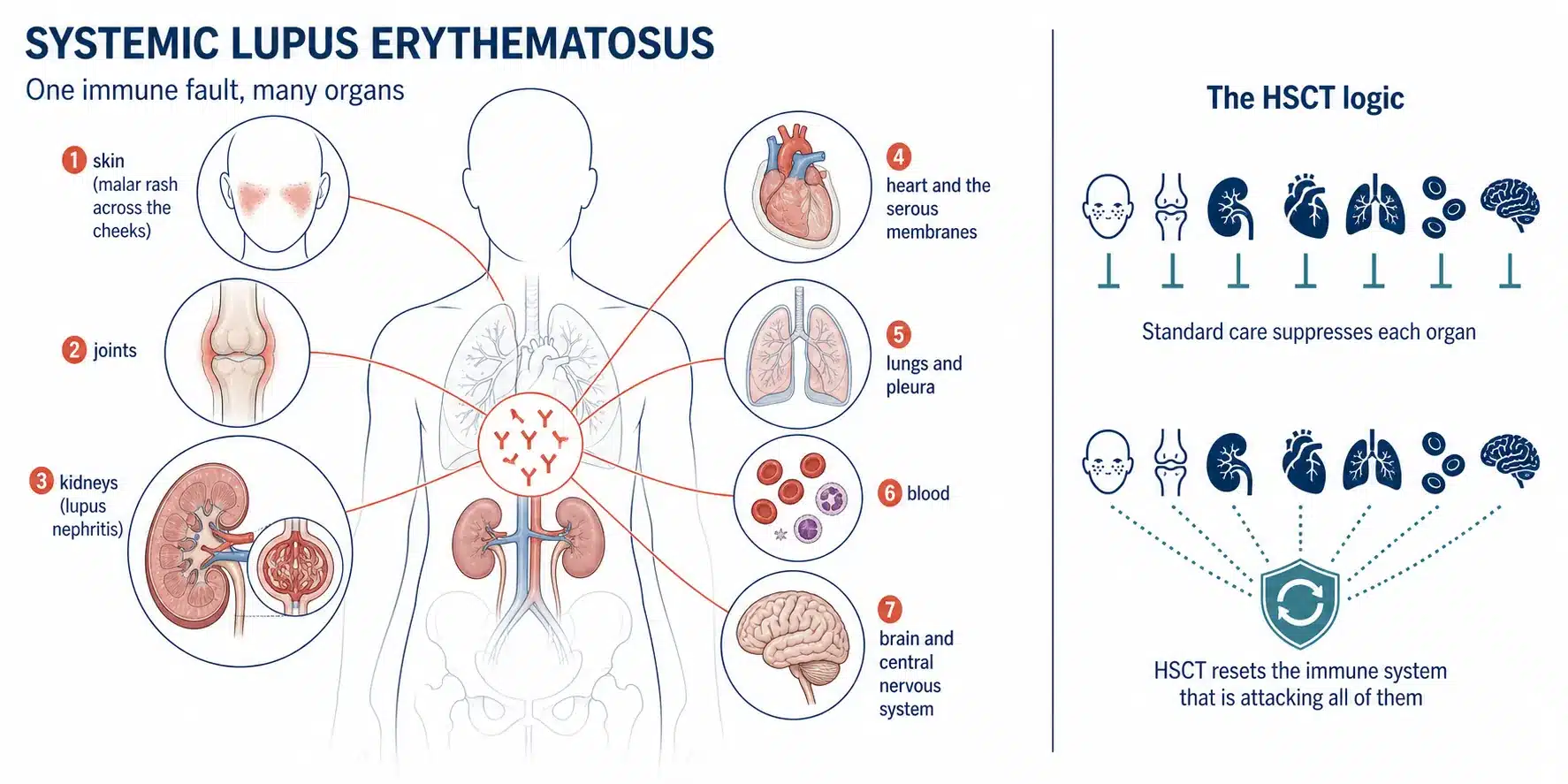
Lupus is a disease in which the immune system loses the ability to tell the difference between the body’s own tissue and a foreign invader, and begins attacking the body itself.
What it attacks is unusual, and it explains everything else about the disease. In lupus, the immune system targets nuclear material, meaning the genetic content held inside the centre of every cell. B lymphocytes, the white blood cells whose normal job is to manufacture antibodies against infection, instead begin producing autoantibodies: antibodies aimed at the patient’s own healthy tissue. In lupus these are directed against the components of the cell nucleus, most characteristically double-stranded DNA. The autoantibodies lock onto their targets to form immune complexes, which are clumps of antibody bound to the material they have attacked. Those clumps settle into tissue and switch on the complement cascade, a group of proteins circulating in the blood that amplify inflammation once triggered. That inflammation is the disease the patient actually feels.
Because nuclear material sits inside every cell in the body, these immune complexes have no fixed address. They can settle in the glomeruli of the kidney, which are its microscopic filtering units. They can settle in the synovium, the lining of the joints, in the pleura and pericardium, the membranes wrapped around the lungs and the heart, and in the skin, the blood vessels and the brain.
This is what separates lupus from most other autoimmune diseases. In type 1 diabetes the immune system attacks one tissue and produces one predictable pattern of harm. Lupus attacks a target that exists everywhere, which is why two patients with the same diagnosis can present completely differently, and why the organs involved in a single patient can change over the years.
That same mechanism gives doctors a way to watch the disease from a blood sample. Because lupus is driven by ongoing autoantibody production, and because complement proteins are consumed as they are used up in the inflammatory reaction, both processes leave a trace in the blood. This is why the anti-double-stranded DNA titre, meaning the concentration of that autoantibody, and the complement C3 and C4 levels are measured repeatedly over a patient’s life. Rising anti-dsDNA with falling complement is a recognised warning that a flare is coming, and it often appears before the patient feels anything at all. That lead time is what allows treatment to be escalated before damage is done.
Lupus affects women approximately nine times more often than men, with peak incidence between the ages of 15 and 45. Prevalence and severity are both higher in patients of African, Hispanic and Asian ancestry.
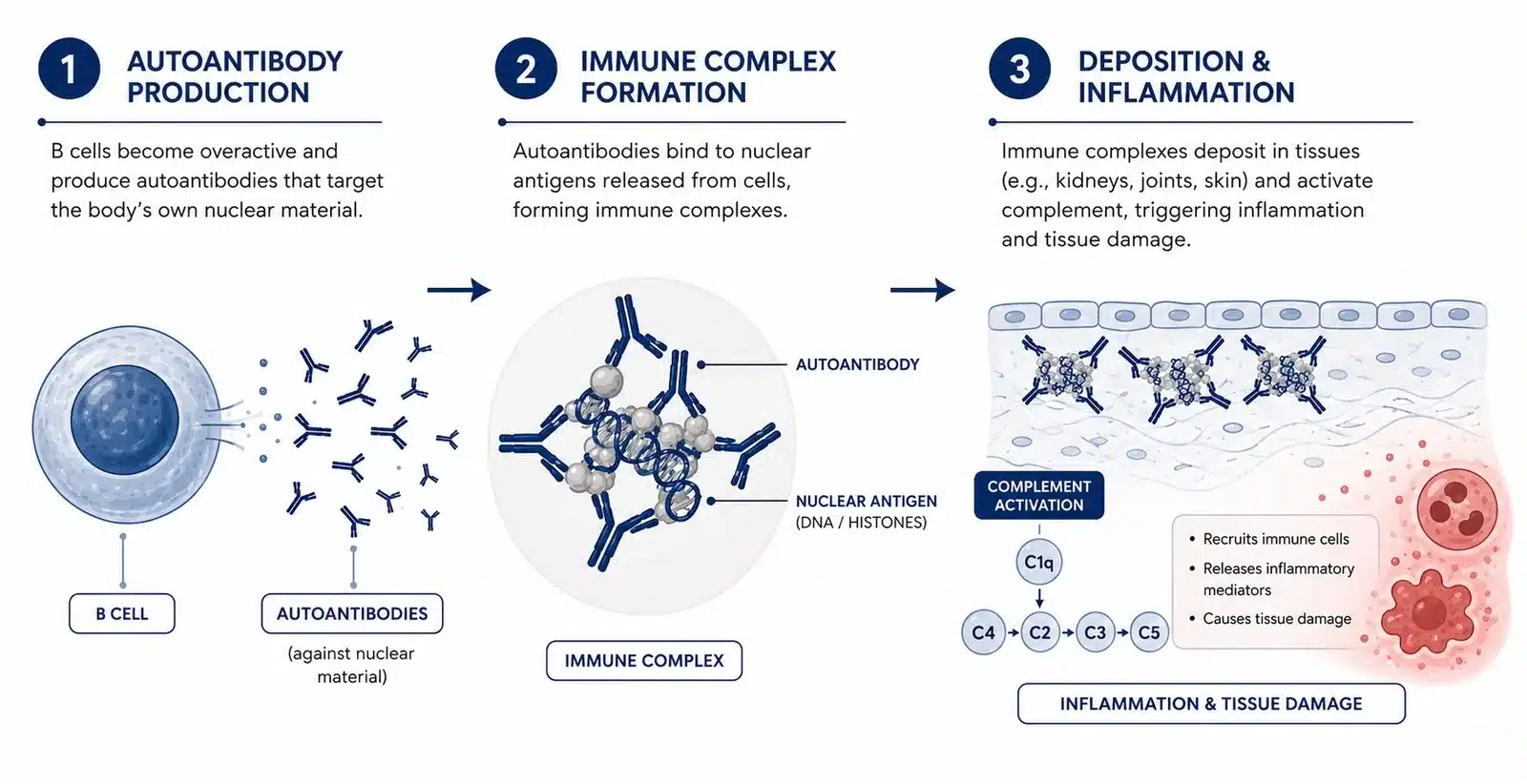
Figure 1. How lupus develops: autoantibody production, immune complex formation, and deposition in tissue leading to complement activation and inflammation.
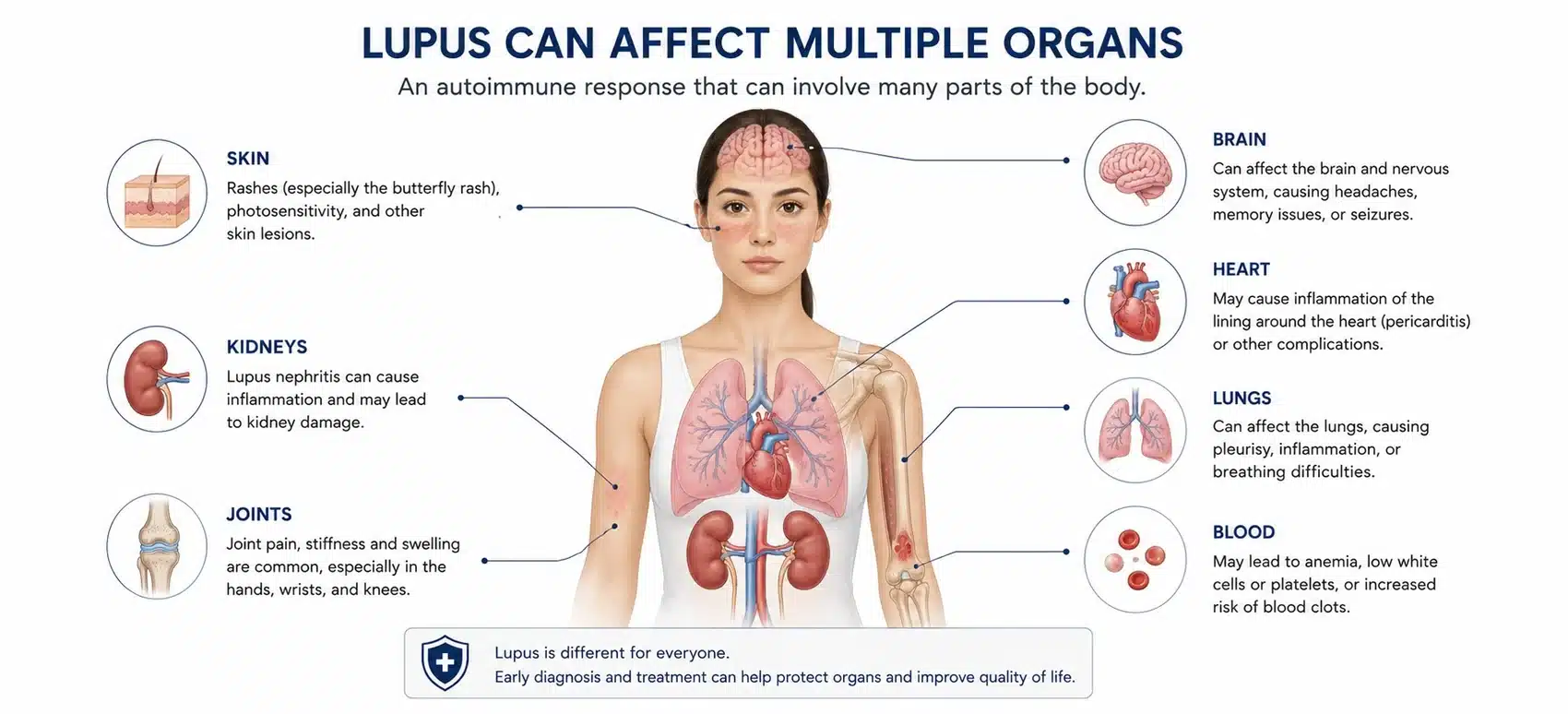
Figure 2. Systemic lupus erythematosus can involve the skin, joints, kidneys, heart, lungs, blood and central nervous system.
One consequence of this mechanism shapes everything that follows. The autoantibodies are produced by an immune system that has been trained, incorrectly, to see the patient as the enemy. Every conventional drug works by quietening that immune system. None of them retrains it. That single distinction is the clinical argument for transplantation.
Lupus Symptoms: Where Immune Complexes Strike
Lupus symptoms depend on where the immune complexes settle, which is why no two patients look alike. The most common are profound fatigue, joint pain, the butterfly-shaped facial rash, sensitivity to sunlight, mouth ulcers and hair loss, but the disease can also involve the kidneys, heart, lungs, blood and brain.
Grouped by the organ system involved:
- Constitutional: profound fatigue that sleep does not fix, fever with no infection behind it, and weight loss
- Musculoskeletal: symmetrical joint pain and arthritis, typically in the small joints of the hands, wrists and knees, with stiffness worst in the morning
- Cutaneous: the malar or butterfly rash across the cheeks and bridge of the nose, discoid lesions, which are raised scaly patches that can scar permanently, and photosensitivity, where rashes appear or worsen after exposure to ultraviolet light
- Mucosal: ulcers in the mouth and nose. These are characteristically painless, which is why patients frequently do not notice them and doctors have to look.
- Serosal: pleuritic chest pain, meaning pain that sharpens when you breathe in deeply because the membrane around the lung is inflamed, and pericarditis, the same process around the heart
- Renal: swelling of the ankles and legs, puffiness around the eyes, high blood pressure and frothy urine. Frothy urine means proteinuria, protein leaking through a damaged kidney filter, and it is the classic sign of lupus nephritis, which is inflammation of the kidneys caused by lupus.
- Haematological: anaemia, and low counts of white cells, lymphocytes and platelets, termed leucopenia, lymphopenia and thrombocytopenia
- Vascular: Raynaud phenomenon, in which the fingers and toes turn white and then blue in the cold as the small vessels clamp shut
- Neuropsychiatric: headache, difficulty concentrating and remembering, mood disturbance, seizure and, less commonly, stroke or psychosis
- Alopecia: diffuse hair thinning, and permanent scarring hair loss where discoid lesions involve the scalp
Lupus runs a relapsing and remitting course. Quiet periods are interrupted by flares, and then the disease settles again. Patients often take reassurance from the quiet periods, and to a point they should.
But the flares are where the harm happens. Each one leaves behind a small amount of damage that does not heal, and that damage adds up over a lifetime. This is the reason lupus is treated between flares as well as during them, and it is the reason a patient whose flares are becoming more frequent, rather than less, needs a different conversation about treatment than one whose disease is settling.
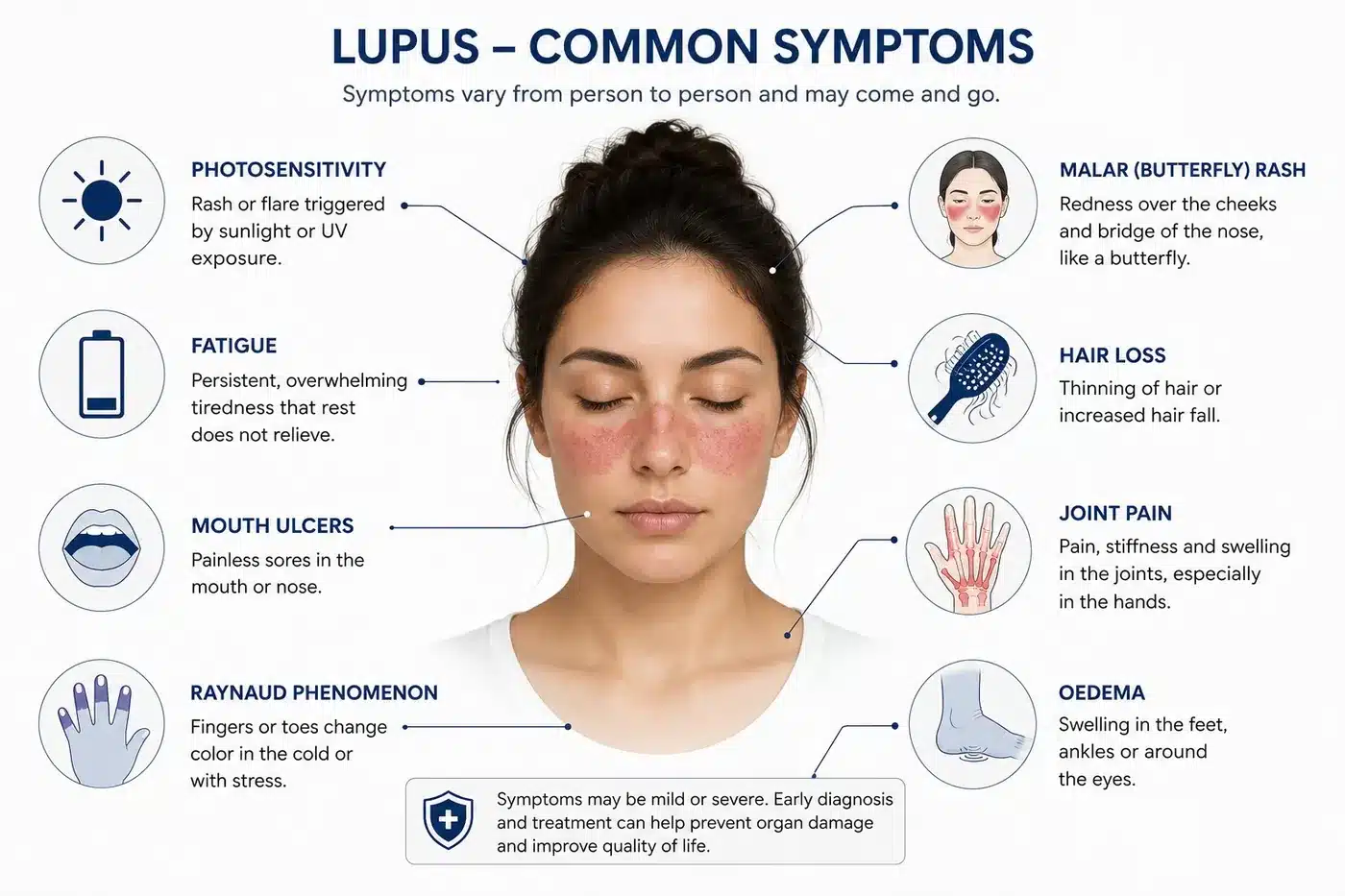
Figure 3. Common symptoms of systemic lupus erythematosus. Presentation varies considerably between patients.
How Is Lupus Diagnosed?
There is no single test that diagnoses lupus. The diagnosis is made by combining the clinical picture with a panel of blood tests, and classification is commonly guided by the 2019 EULAR and ACR criteria, which require a positive antinuclear antibody as the entry point.
Patients are often handed a list of results without being told what any of them are for. Each test on the panel answers a different question, and knowing which is which changes what your own results mean to you.
- Antinuclear antibody (ANA). An antibody aimed at the cell nucleus, and the screening test for lupus. It is positive in over 95% of patients, so a negative ANA makes lupus very unlikely. What it cannot do is confirm the diagnosis, because a positive ANA also turns up in other autoimmune conditions and in plenty of entirely healthy people. A positive ANA opens the investigation. It does not close it. It also does not track your disease from month to month, which is why your rheumatologist stops repeating it once the diagnosis is made, and why a persistently positive ANA in a patient who is otherwise well is not a reason for alarm.
- Anti-double-stranded DNA antibody. Far more specific to lupus than ANA, and it does the one thing ANA cannot: it rises and falls with disease activity, particularly kidney activity. This is the test that tells your doctor the disease is stirring, sometimes weeks before you feel it.
- Anti-Smith (anti-Sm) antibody. The most specific marker in lupus. Its limitation is the mirror image of ANA’s: it is present in only a minority of patients, so its absence proves nothing, while its presence is close to confirmatory.
- Complement C3 and C4. These proteins are consumed during active disease, so the level drops as the disease heats up. A falling complement alongside a rising anti-dsDNA is the classic signature of an approaching flare, which is why the two are almost always ordered together and read together.
- Antiphospholipid antibodies. Lupus anticoagulant, anticardiolipin and anti-beta-2 glycoprotein I. These flag a raised risk of blood clots and of pregnancy loss, and they change management on their own, independent of how active the lupus is.
- Urinalysis and urine protein-to-creatinine ratio. A simple urine test that picks up protein and blood cells leaking through the kidney. Kidney involvement in lupus frequently begins silently, without pain or swelling, and this inexpensive test is what catches it before the patient has any idea it is happening. It is the single most valuable routine test in lupus care.
- Renal biopsy. Performed where there is evidence of significant kidney involvement. It establishes the class of lupus nephritis, meaning the exact pattern of damage seen down the microscope, and the class determines the drug.
- Full blood count, renal function and inflammatory markers. These pick up low blood counts and organ impairment, and set the baseline against which every future result is compared.
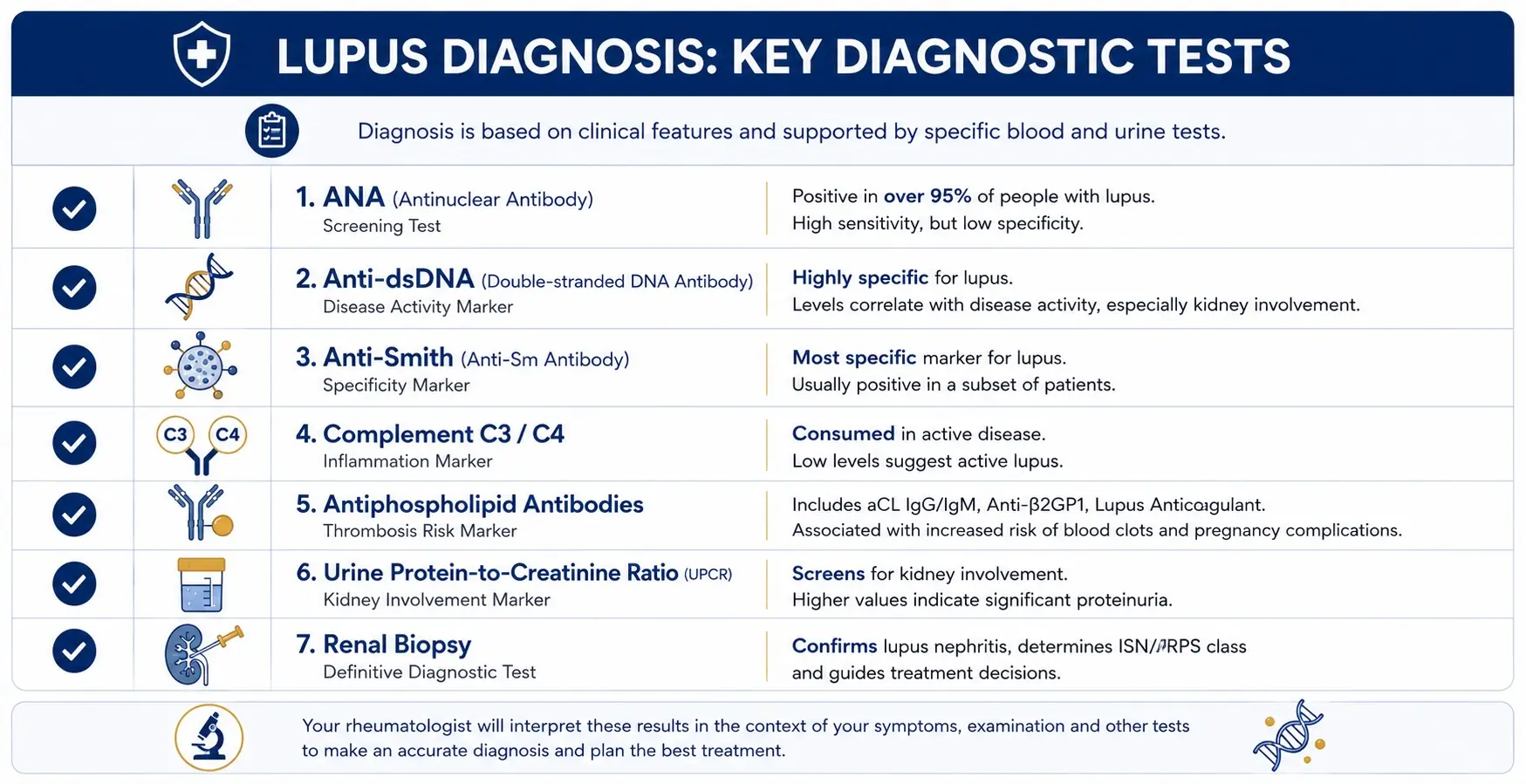
Figure 4. The key diagnostic tests used in systemic lupus erythematosus.
Sitting alongside these tests are two scores, and the difference between them runs through the whole of lupus care. Disease activity, meaning how much inflammation is happening right now, is measured with the SLE Disease Activity Index (SLEDAI). Accrued damage, meaning the harm already done and now permanent, is measured separately with the SLICC damage index.
Lupus specialists insist on keeping these two numbers apart because they behave in opposite ways. Activity can be driven down to zero. Damage only ever goes up. A patient with a high SLEDAI and a low damage score has a great deal to gain from aggressive treatment. A patient with a low SLEDAI and a high damage score is unwell because of harm already done, and no amount of immunosuppression will give that back.
This distinction determines eligibility for transplantation, and we return to it in detail in that section.
What Triggers Lupus?
Lupus develops where a genetic susceptibility meets an environmental trigger. Neither one alone is enough, which is why lupus does not run through families in a simple, predictable way and why most patients have no affected relative at all. Many susceptibility genes have been identified, a number of them governing interferon signalling, one of the immune system’s main alarm pathways, and the clearance of immune complexes.
The recognised triggers are:
- Ultraviolet light, the best documented trigger of both skin and whole-body flare. UV exposure kills skin cells and spills their nuclear contents out where the immune system can see them, and nuclear material is precisely what lupus autoantibodies are hunting for. This is why sun protection in lupus is not cosmetic advice. It is disease control.
- Infection, particularly Epstein-Barr virus. The likely mechanism is molecular mimicry: a viral protein resembles a human protein closely enough that the immune response raised against the virus turns on the body’s own tissue as well.
- Medications, including hydralazine, procainamide and certain anti-tumour necrosis factor agents. These can produce a drug-induced lupus, which usually resolves once the drug is stopped and is a different entity from SLE proper.
- Hormonal factors, including oestrogen exposure and pregnancy, which fits the strong female predominance of the disease and its peak during the childbearing years.
- Physical or psychological stress.
Lupus is not caused by diet, by lifestyle, or by anything the patient did or failed to do, whatever patients are sometimes told.
Triggers determine when the disease flares. They do not determine how far it will ultimately progress, and that is the question most patients actually want answered.
Is Lupus Progressive? Will It Get Worse?
For most patients, no. Lupus is well controlled on standard therapy, flares become less frequent with time, and ten-year survival now exceeds 90% in most published cohorts, a dramatic improvement on the figures of thirty years ago. Most people diagnosed with lupus today will live a normal lifespan.
The answer changes for a smaller group whose disease is refractory, meaning it stays active despite escalating immunosuppression. In these patients flares keep coming, and each one deposits damage that does not reverse.
The kidney is usually where this becomes serious. Between 40% and 50% of lupus patients develop lupus nephritis, in which immune complexes lodge in the glomeruli, the kidney’s filtering units. Treatment normally requires high-dose corticosteroid alongside mycophenolate mofetil or cyclophosphamide, both immunosuppressant drugs. Of those who develop the aggressive proliferative forms of nephritis described in the next section, a significant proportion progress to end-stage renal disease despite full treatment. Kidney involvement remains one of the principal causes of death in lupus, alongside cardiovascular disease and infection.
There is a second source of harm that patients are rarely told about, and it matters a great deal when weighing up treatment. A substantial share of the permanent damage recorded on the SLICC index in lupus cohorts is caused not by the disease but by the corticosteroids used to treat it: the fractured hips, the cataracts, the diabetes, the infections. The disease and the treatment are both taking something, year after year.
This is what makes refractory lupus a race rather than a holding pattern. Waiting has a price, and it is paid in organ function that cannot be bought back later. It is also the reason transplant outcomes are better in patients referred earlier, a point we return to when we discuss eligibility.
Does Lupus Have Stages? Flares, Remission and Damage
Lupus is not staged by number the way cancer is, so a patient searching for “stage 3 lupus” will not find one. Doctors describe it instead by how active it is, which organs it has reached, and how it has responded to treatment so far. In practice patients sit in one of four groups, and the groups are best read as rungs on a ladder of escalating therapy.
- Mild disease. Skin and joint involvement with fatigue, and no threat to any major organ. Managed with antimalarial drugs and short courses of low-dose steroid when needed.
- Moderate disease. More extensive skin and joint involvement, often with a blood abnormality such as a low platelet count. Requires steroids plus an immunosuppressant.
- Severe or organ-threatening disease. Involvement of the kidneys, brain, heart or lungs. Treated with high-dose steroid and intensive immunosuppression, usually mycophenolate mofetil or cyclophosphamide.
- Refractory disease. The disease stays active despite steroids, conventional immunosuppressants and biologic therapy. This is the group for whom autologous HSCT is considered, and it is the group in which every transplant study cited in this guide was carried out.
That fourth category needs one caution attached to it. There is no single agreed definition of refractory lupus, and different centres set the bar in different places, so two patients with identical disease can be told different things by different hospitals. For the same reason, a rheumatologist will often check a hydroxychloroquine blood level before accepting that a patient is truly refractory. A low level identifies a patient who has not been able to take the drug consistently rather than one whose disease is genuinely resistant to it, and the two require entirely different responses. (HCQ blood level review, Rheumatology Advances in Practice)
Where the kidneys are involved, a far more precise classification takes over. Lupus nephritis is graded on renal biopsy according to the International Society of Nephrology and Renal Pathology Society (ISN/RPS) system, based on what the kidney tissue actually looks like under the microscope.
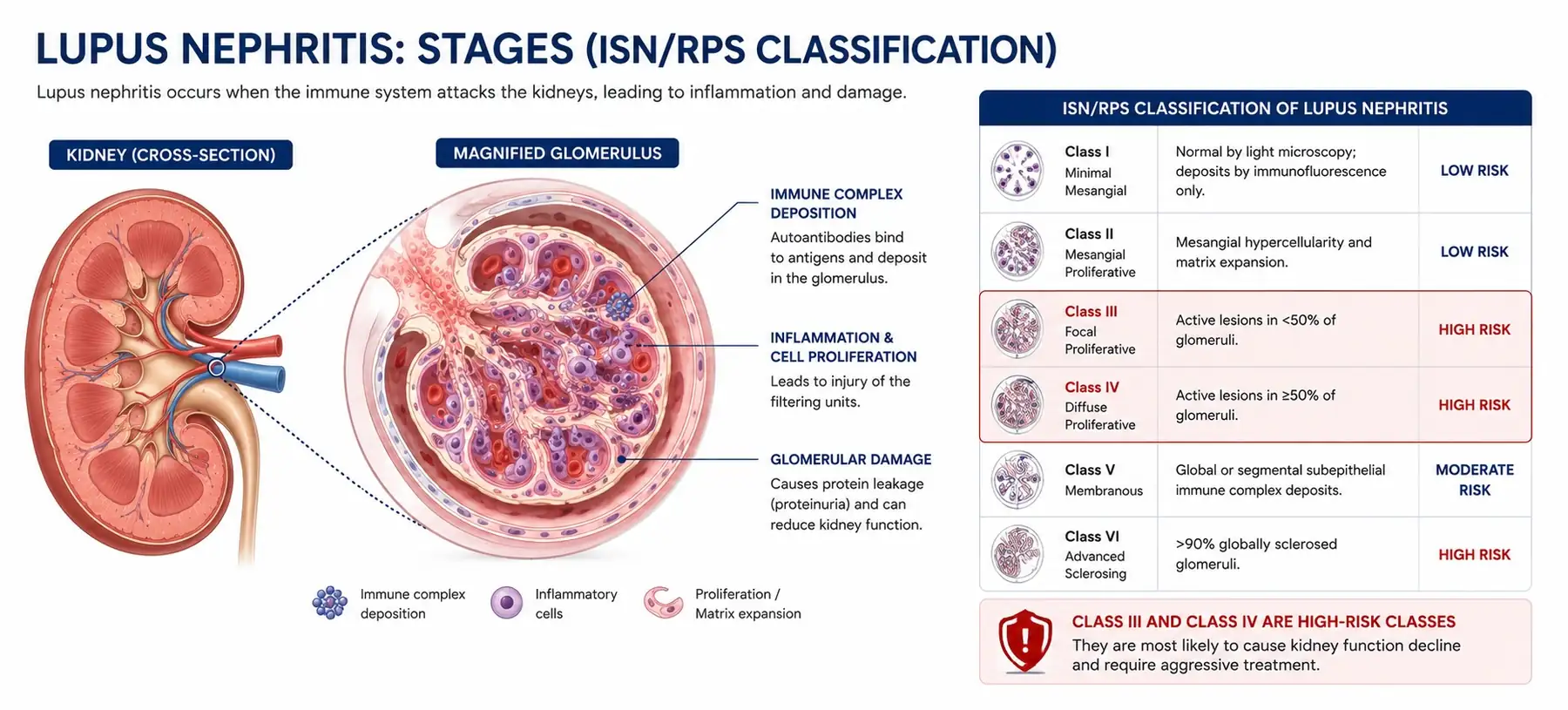
Figure 5. Lupus nephritis: immune complex deposition within the glomerulus, and the ISN/RPS histological classification.
| Class | Histology | Clinical significance |
|---|---|---|
| Class I | Minimal mesangial | Excellent renal prognosis |
| Class II | Mesangial proliferative | Good prognosis; rarely progresses |
| Class III | Focal proliferative | Significant risk of progression. Requires intensive immunosuppression. Commonly refractory. |
| Class IV | Diffuse proliferative | The most severe class. Highest risk of end-stage renal disease. The class most frequently seen in patients referred for HSCT. |
| Class V | Membranous | Nephrotic syndrome; thrombotic risk |
| Class VI | Advanced sclerosing | Irreversible scarring. Immunosuppression is not beneficial, and HSCT is not indicated. |
Table 1. ISN/RPS histological classification of lupus nephritis.
If you have had a renal biopsy, the class written on that report is one of the most important pieces of information you hold. Class III and Class IV, the focal and diffuse proliferative forms, carry the highest risk of progressing to kidney failure and are the ones most likely to defeat conventional treatment. They are also the classes most commonly seen in patients who come to us for transplant. Class VI, at the far end, is scar tissue rather than active inflammation, and since transplantation acts on inflammation and cannot rebuild a scarred kidney, it offers nothing there.
The report usually carries two further numbers that are worth asking your nephrologist about: the NIH activity index and the chronicity index. The activity index scores how much live, treatable inflammation is present. The chronicity index scores how much of the kidney has already been permanently scarred. It is the same activity-versus-damage distinction as before, now measured directly in your own kidney tissue, and both indices independently predict how the kidney will do. (NIH activity and chronicity scores and clinical outcomes)
For anyone weighing up a transplant, this is the number that matters most. High activity with low chronicity is a kidney with something left to save. High chronicity with low activity is a kidney whose damage is already done.
Lupus Versus MS: Different Targets, Different Disease
No. Lupus and multiple sclerosis attack different tissue and cause completely different symptoms. But they are driven by the same underlying fault, and at HSCT Hospital India both are treated with the same autologous transplant protocol. Understanding why is the clearest possible way to understand what a transplant actually does.
In multiple sclerosis, the immune system attacks myelin, the insulating sheath wrapped around nerve fibres in the brain and spinal cord. The damage is therefore neurological: mobility, vision, coordination, bladder control. In lupus, autoantibodies and immune complexes attack connective tissue and multiple organs at once, and the damage may be renal, cardiac, pulmonary, haematological or neuropsychiatric.
What the two share is the engine. In both diseases the immune system has built a self-reactive repertoire, meaning a standing population of immune cells trained to recognise the patient’s own tissue as a target. That population will go on attacking for as long as it exists. Every conventional drug suppresses it. Not one of them removes it, which is exactly why the disease comes back when treatment is stopped.
Autologous haematopoietic stem cell transplantation is effective across both diseases for one reason: it does not suppress that repertoire. It eliminates it, and then allows the body to build a new one. That is a different kind of intervention altogether, and it is why a treatment developed for multiple sclerosis works in a disease that looks nothing like it.
Why Untreated Lupus Harms the Kidneys and Beyond
Lupus that is not brought under control damages organs permanently, and the damage is spread across the same systems the disease attacks.
- Renal: lupus nephritis progressing to kidney failure, requiring dialysis or a kidney transplant
- Cardiovascular: pericarditis, myocarditis, Libman-Sacks endocarditis, a form of valve inflammation particular to lupus, and sharply accelerated hardening of the arteries. Cardiovascular disease is a leading cause of late death in lupus, and the risk is compounded by years of steroid exposure.
- Pulmonary: pleuritis, pneumonitis, interstitial lung disease and pulmonary hypertension
- Neuropsychiatric: seizure, stroke, transverse myelitis, psychosis and lasting cognitive impairment
- Haematological: severe drops in blood counts, including autoimmune haemolytic anaemia, in which the immune system destroys red cells, and immune thrombocytopenia, in which it destroys platelets
- Thrombotic: arterial and venous blood clots, and recurrent pregnancy loss, in patients carrying antiphospholipid antibodies
- Infective: serious infection, driven both by the disease and by the immunosuppression used to hold it down. Infection remains a leading cause of death in lupus.
Every item on that list began as inflammation, which is treatable, and ended as damage, which is not. In refractory lupus the disease converts the first into the second continuously, and the only question is how fast. This is why refractory lupus is treated aggressively rather than watched, and it is the clinical reasoning behind every treatment decision that follows.
Standard Lupus Treatment, and When It Stops Being Enough
Almost every patient starts with the established drugs below, and for the majority they work. They should be tried first, they should be given a fair trial, and where they are controlling the disease they should be continued. HSCT has no role in well-controlled lupus, and any patient doing well on these treatments should not be considering it.
- Antimalarials (hydroxychloroquine): the backbone of lupus care. It cuts flare frequency, slows the accumulation of damage and improves survival, and it is recommended for essentially every lupus patient unless there is a specific reason not to take it. It is also the drug patients are most likely to quietly stop taking, because it works slowly and invisibly, which is precisely why blood level testing exists.
- Corticosteroids (such as prednisolone): unmatched at shutting down inflammation quickly, which is why they are reached for first when a flare hits. Their cost is cumulative, meaning it accrues with the total dose taken over a lifetime: osteoporosis and avascular necrosis, diabetes, high blood pressure, cataract, and a substantially raised risk of serious infection. Getting patients off steroids, or down to the lowest possible dose, is one of the central goals of modern lupus care. It is also one of the strongest arguments for a treatment that can make them unnecessary.
- Immunosuppressants: mycophenolate mofetil and cyclophosphamide are the drugs of choice in proliferative lupus nephritis, with azathioprine and methotrexate used in milder disease. Cyclophosphamide carries a dose-dependent risk of infertility and of second cancers, which is why a patient’s total lifetime exposure to it is tracked carefully, and why it cannot simply be given again and again.
- Biologic therapies: targeted drugs aimed at a single component of the immune response. Belimumab blocks B lymphocyte stimulator, a protein that keeps B cells alive. Rituximab strips out CD20-positive B cells, CD20 being a marker on their surface, and is used off-licence in refractory disease. Anifrolumab blocks the type I interferon receptor. Each helps a proportion of patients. None helps all of them.
A single limitation runs through all of these drugs. Every one works by suppressing the immune system, and every one works only for as long as it is being taken. Underneath that suppression the autoreactive immune repertoire is still there, unchanged.
For most patients that is a perfectly acceptable bargain. For a minority it is not. They cycle through one agent after another, the intervals between flares shorten, the steroid dose creeps up, and eventually the drugs that once worked stop working. That is the patient for whom HSCT exists, and the question they arrive with is whether the evidence supports it.
 Get HSCT India Brochure Emailed to you
Can HSCT Treat Lupus? What the Evidence Shows
Yes. In patients whose lupus has stopped responding to conventional therapy, autologous HSCT can produce lasting remission with no medication at all, and roughly half of transplanted patients are still in drug-free remission five years later. This is not an experimental therapy: stem cell transplant for lupus has been studied for over two decades, is backed by substantial published data, and is performed in accredited transplant centres worldwide.
The reason it achieves what no drug can comes back to the distinction we drew at the very beginning. Drugs suppress the immune system. HSCT replaces it.
Immunoablative conditioning, meaning chemotherapy calibrated specifically to wipe out immune cells, clears away the autoreactive lymphocytes driving the disease. The patient’s own haematopoietic stem cells, the master cells in the bone marrow from which every blood and immune cell is made, are then returned, and they rebuild an immune system from scratch. The one that grows back has never learned to attack the patient’s own nuclear material.
That is not simply an inference from patients feeling better. Studies of immune reconstitution after transplantation show a genuine renewal of the T cell repertoire, with restoration of regulatory T cells, the cells whose job is to hold the immune response in check, and normalisation of autoantibody levels. The immune system that comes back is measurably a different one.
The published outcomes are as follows:
- In the Northwestern University series led by Professor Richard K. Burt, 50 patients with severe, treatment-refractory SLE achieved a five-year overall survival of 84%, with disease-free survival at five years of 50%. The non-myeloablative protocol pioneered by Professor Burt is the protocol used at HSCT Hospital India. (Burt et al, JAMA)
- The European Society for Blood and Marrow Transplantation (EBMT) registry, the largest such dataset in the world, reports a comparable figure of approximately 50% disease-free survival at five years.
- In the EBMT and EULAR registry analysis, 66% of evaluable patients achieved remission, defined as a SLEDAI score below 3, within six months of transplantation. Approximately one third of those patients subsequently relapsed. (Jayne et al, Lupus)
- In long-term follow-up, sustained complete remission has been documented for a median in excess of 13 years following a single transplant. (Long-term follow-up study)
- Serological remission accompanies clinical remission in the majority of responders: anti-double-stranded DNA reverts to negative and complement levels return to normal. The blood tests confirm what the patient reports.
| Study | Patients | Key outcome |
|---|---|---|
| Northwestern University series | 50 | 84% five-year overall survival; 50% disease-free survival at five years |
| EBMT registry (largest worldwide dataset) | 85 | Approximately 50% disease-free survival at five years |
| EBMT / EULAR registry analysis | 53 | 66% achieved remission (SLEDAI below 3) within six months; approximately one third later relapsed |
| Long-term follow-up | – | Sustained complete remission documented beyond 13 years after a single transplant |
Table 2. Published outcomes of autologous HSCT in refractory systemic lupus erythematosus.
These figures only mean something once you know who the patients were. Every one of them had already exhausted conventional therapy. Many were watching their kidney function slide while carrying an indefinite high-dose steroid burden, with everything that costs over a decade. They were not choosing between transplant and good health. They were choosing between transplant and that.
Measured against that alternative, an 84% five-year survival with a 50% chance of drug-free remission represents a fundamental change in prognosis rather than a marginal gain.
How Autologous HSCT Rebuilds Immune Tolerance in Lupus
The transplant is autologous, meaning it uses the patient’s own stem cells rather than a donor’s. Three things follow directly from that: there is no donor to find, no tissue matching to pass, and no risk of graft-versus-host disease, the dangerous complication in which transplanted donor cells attack the recipient. That risk is not managed. It is eliminated.
The treatment takes approximately 30 days in hospital and runs in four stages.
- Mobilisation. Cyclophosphamide is given, followed by granulocyte colony-stimulating factor, a growth factor that pushes the bone marrow to expand its stem cell population and release it out of the marrow into the bloodstream, where it can be collected. The cyclophosphamide given here does double duty: it also treats the lupus.
- Harvest (Leukapheresis). The stem cells are collected from the bloodstream by apheresis. Blood is drawn from a vein, passed through a machine that separates out the CD34-positive fraction, CD34 being the surface marker that identifies a haematopoietic stem cell, and the rest of the blood is returned in the same sitting. The harvested cells are cryopreserved, meaning frozen and stored, until they are needed. The procedure is not painful and needs no anaesthetic.
- Conditioning. This is the part that treats the disease. A non-myeloablative, immunoablative regimen is given, usually high-dose cyclophosphamide with anti-thymocyte globulin, and it clears out the autoreactive lymphocytes that have been driving the lupus. Non-myeloablative means the regimen is calibrated to ablate the immune system but not the bone marrow itself. This is what separates the protocol from a transplant for leukaemia, where the marrow is deliberately destroyed, and it is why the toxicity is substantially lower.
- Reinfusion. The patient’s own frozen stem cells are thawed and returned through a drip. They travel back to the bone marrow and rebuild a blood and immune system that no longer treats the patient’s own tissue as a threat.
Once that new immune system is established, no further chemotherapy and no maintenance immunotherapy are required after discharge. That is the outcome patients are being offered: not a better drug, but the end of drugs.
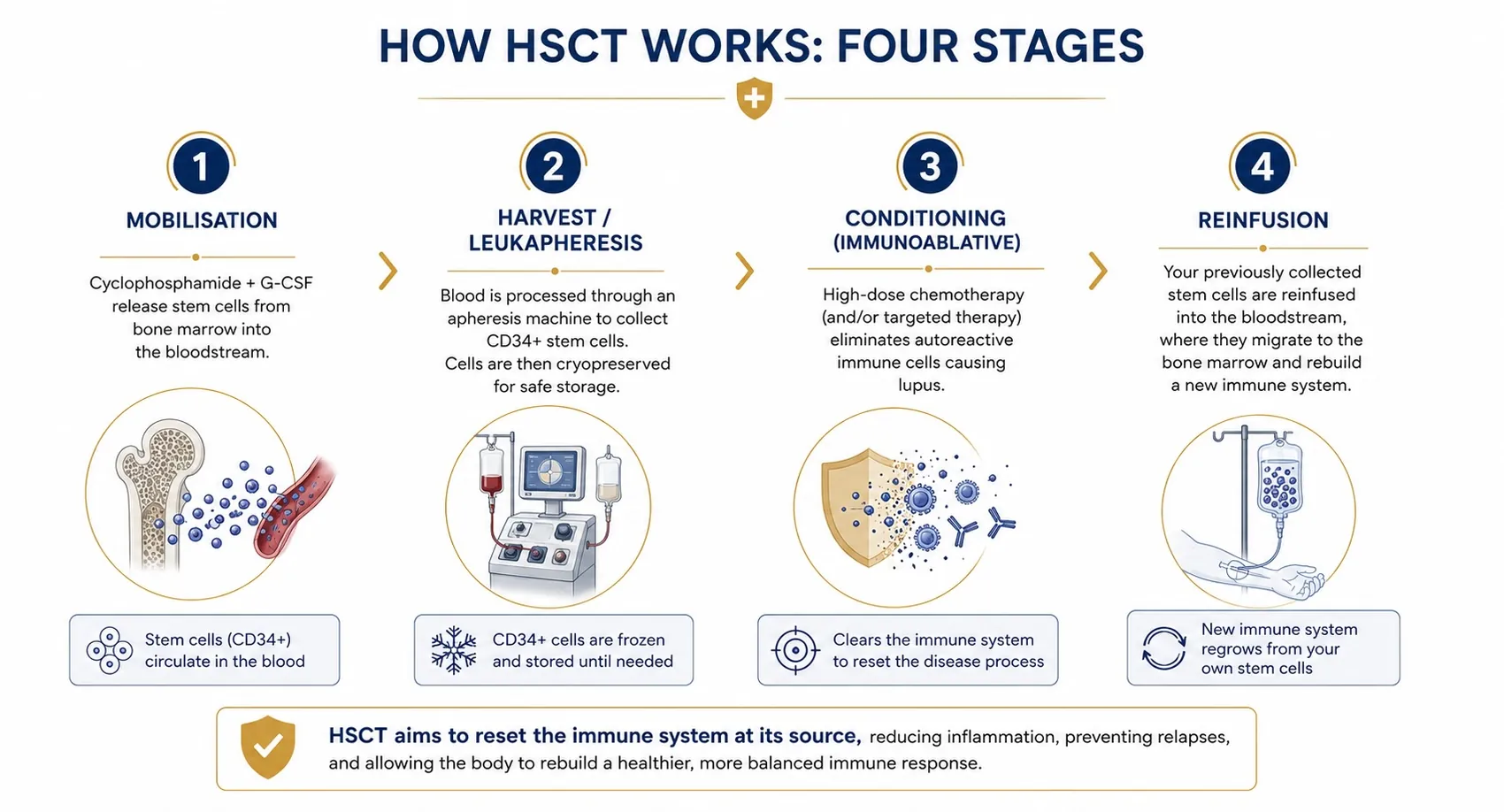
Figure 6. The four stages of autologous HSCT for lupus: mobilisation, harvest by leukapheresis, immunoablative conditioning, and reinfusion.
Inside the Thirty-Day Hospital Stay for a Lupus Transplant
The admission follows a fixed sequence, and every patient is talked through each phase before it starts. Patients travelling from abroad frequently tell us that knowing the shape of the month in advance is what made it manageable.
- Days 1 to 5, evaluation. A full pre-transplant workup on arrival: echocardiogram, lung function testing, kidney and liver function, infection screening, and a review of disease activity. The purpose is a single question: can these organs safely take the conditioning regimen? Fertility preservation is discussed before any conditioning is given.
- Days 6 to 12, mobilisation and harvest. Cyclophosphamide and growth factor are given, blood counts are checked daily, and leukapheresis is performed once the CD34 count in the blood is high enough to give a good yield.
- Days 13 to 18, conditioning. The immunoablative regimen is given. This is the hardest week. Nausea, fatigue and mucositis, meaning inflammation and ulceration of the lining of the mouth and gut, are expected, and are managed with supportive medication rather than endured.
- Day 19, reinfusion. The stored stem cells are returned through a central line. It takes a matter of minutes.
- Days 20 to 30, aplasia and engraftment. This is the period of greatest vulnerability, and the reason the entire month is spent as an inpatient. Aplasia is the window in which the old immune system has gone and the new one has not yet grown: the white cell count falls to its lowest point and the patient has almost no defence against infection. Care is delivered in a deluxe private room with triple-level HEPA air filtration and 24-hour nursing. Neutropenic fever, meaning fever arising while the neutrophil count is at its nadir, is anticipated rather than treated as a crisis, and is met immediately with broad-spectrum antibiotics. Transfusions of red cells and platelets are given as needed. Engraftment, the moment the returned stem cells start producing new blood cells and the neutrophil count climbs, usually arrives within two to three weeks of reinfusion.
Patients go home once engraftment is established and they are clinically stable.
The month in hospital is not the end of the process, and patients should plan accordingly. Immune reconstitution, the rebuilding of the full immune repertoire, continues over the following six to twelve months. During that period childhood vaccinations are given again, because the new immune system has no memory of them and genuinely does not know what measles is, and sensible infection precautions are maintained. Most patients feel the benefit of the transplant long before that year is out.
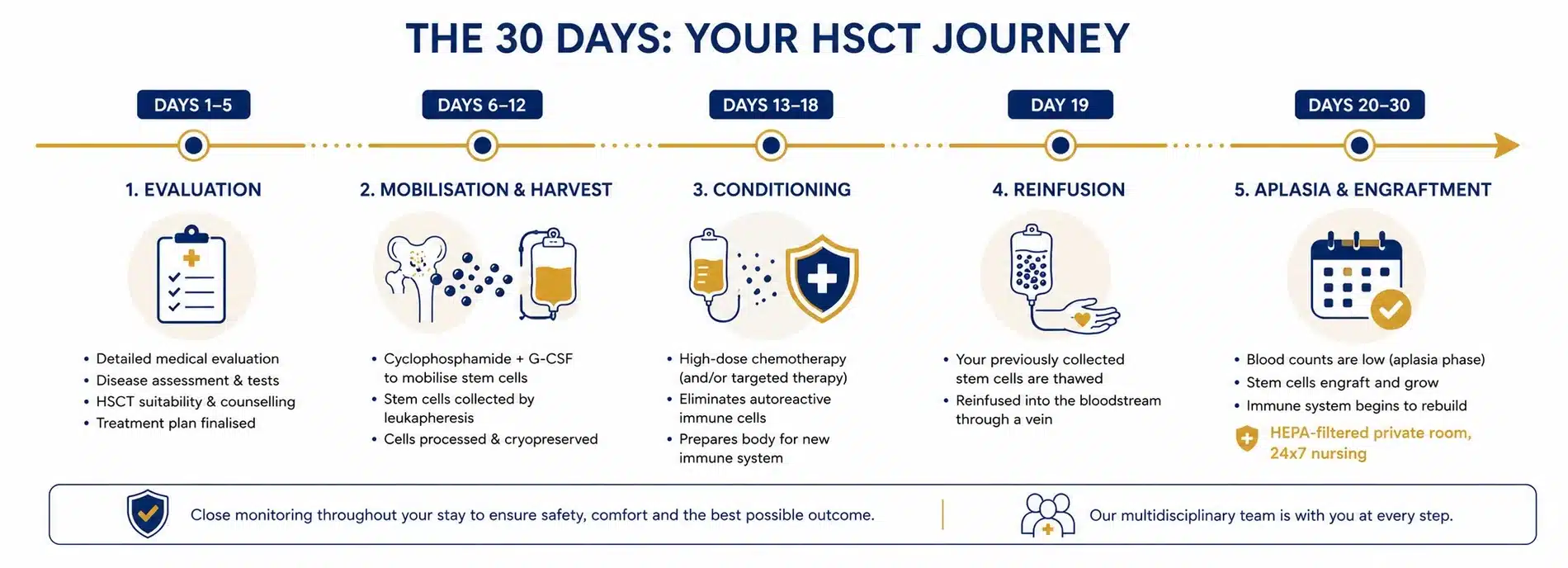
Figure 7. The 30 day in-hospital HSCT treatment timeline at HSCT Hospital India.
The Risks of Lupus HSCT, and the Steps That Lower Them
HSCT is a serious intervention with serious risks, and every one of them is discussed in full before any decision is taken. Transplant-related mortality is approximately 5% to 7% in the published lupus series. Patients deserve that number early and plainly, not buried at the end of a consultation.
- Infection. The principal risk, and it is concentrated in the aplastic phase, when the patient has almost no neutrophil defence and a bacterial, fungal or viral infection can move fast. This is precisely why the whole admission is inpatient, in a HEPA-filtered transplant unit, and not run on an outpatient basis as it is in some centres.
- Transplant-related mortality. Approximately 5% to 7%, and materially higher in patients who already carry significant established organ damage. This is not a footnote. It is the single strongest clinical argument for being referred before end-organ failure rather than after it.
- Cytopenias. Low red cell and platelet counts during aplasia, managed with transfusion.
- Mucositis, nausea and alopecia. Consequences of the conditioning regimen rather than complications of it, meaning they are expected and planned for. Hair regrows after engraftment.
- Fertility. Cyclophosphamide is gonadotoxic, meaning toxic to the ovaries and testes, and the regimen carries a real risk of infertility and of premature ovarian insufficiency. Freezing eggs, embryos or sperm is discussed with every patient of reproductive age before conditioning begins, and it cannot be revisited afterwards. This conversation happens once, and it happens early.
- Secondary autoimmunity. A minority of patients develop a new autoimmune condition, most often thyroid disease, as the immune system rebuilds.
- Late effects. Long-term follow-up watches for second cancers, a recognised though uncommon consequence of this class of chemotherapy.
These risks are real, and no responsible centre would present them otherwise. But they are not being weighed against perfect health. They are being weighed against refractory lupus, which in this specific population means progressive kidney failure, accumulating steroid toxicity, and a mortality of its own that is far from trivial.
That is the comparison a patient actually faces, and it is the comparison our team will make with you.
HSCT or CAR-T for Lupus: Which, and When
For most patients today, HSCT. Anti-CD19 CAR T cell therapy is the most exciting development in refractory lupus in a generation, and it may well be the future, but it is currently available to almost no one outside a clinical trial, while HSCT is available now and is backed by twenty years of evidence.
CAR-T works differently from a transplant. The patient’s own T cells are taken out and genetically engineered in a laboratory to carry a chimeric antigen receptor, an artificial receptor aimed at CD19, a marker on the surface of B lymphocytes. Those engineered cells are then given back, and they hunt down and destroy the B cells producing the autoantibodies.
The early results have been remarkable. In the first series reported by Schett and Mackensen at Erlangen, all five patients with refractory lupus achieved drug-free remission within three months of a single CAR-T infusion, with anti-double-stranded DNA and complement returning to normal. In a later pooled analysis of 47 lupus patients treated across ten studies, 81% reached a low disease activity state. Cytokine release syndrome, a body-wide inflammatory reaction caused by the sudden activation of the infused cells, occurred in the majority of patients, mostly at grade 1 to 2, the milder end of the scale. (Pooled analysis of 47 patients across 10 studies)
Three practical realities nonetheless make HSCT the right treatment for the great majority of refractory patients at present.
- Availability. Only a small number of lupus patients worldwide have received CAR-T. It is delivered in a handful of academic centres, almost entirely inside clinical trials with restrictive entry criteria that most patients cannot meet. However good the data, a treatment you cannot access is not a treatment option.
- Duration of follow-up. CAR-T in lupus is supported by roughly two to four years of follow-up. HSCT is supported by more than twenty, with remissions documented past thirteen years. When the entire promise of a treatment is that it works once and lasts, the length of the follow-up is not a technicality. It is the claim itself.
- Cost and access. CAR-T is among the most expensive interventions in modern medicine. HSCT at HSCT Hospital India is an all-inclusive package of 30,000 US dollars, with a waiting period measured in weeks.
| Autologous HSCT | Anti-CD19 CAR-T | Conventional therapy | |
|---|---|---|---|
| Mechanism | Immunoablation and reconstitution of the entire immune repertoire | Targeted depletion of CD19-positive B cells | Ongoing suppression of immune activity |
| Drug-free remission | Approximately 50% at five years | 81% low disease activity in pooled analysis | Not achieved; therapy is lifelong |
| Published follow-up | Over 20 years; remissions documented beyond 13 years | Approximately 2 years | Decades |
| Patients treated worldwide | Several hundred with SLE | Fewer than 50 with SLE | Standard of care |
| Availability | Accredited transplant centres; waiting period measured in weeks | A small number of academic centres, almost exclusively within clinical trials | Widely available |
| Principal risk | Infection during the aplastic phase; transplant-related mortality 5% to 7% | Cytokine release syndrome, predominantly grade 1 to 2 | Cumulative corticosteroid and immunosuppressant toxicity |
| Cost at HSCT Hospital India | 30,000 US dollars, all inclusive | Among the most expensive interventions in medicine | Lifelong drug cost |
Table 3. Autologous HSCT, anti-CD19 CAR T cell therapy and conventional immunosuppression compared in refractory SLE.
Patients who can access a CAR-T trial should look at it seriously. Patients who cannot, and most cannot, are not settling for second best. They are choosing the treatment with the longer track record and the larger body of published evidence behind it.
Can Lupus Be Cured?
Autologous HSCT is the only treatment shown to produce sustained remission in lupus with no ongoing medication whatsoever. In published series, approximately half of transplanted patients are still in drug-free remission five years after a single course of treatment. Sustained complete remission has been documented beyond thirteen years, with anti-double-stranded DNA reverting to negative and complement returning to normal.
Every other lupus treatment suppresses the immune system for exactly as long as it is being taken, and not one day longer.
No lupus therapy has been shown to be a cure in the published literature, and a centre that claims one deserves real caution.
A proportion of patients do relapse and go back on medication. What happens then is worth knowing, and it is reported consistently across the transplant literature: drugs that had stopped working before the transplant frequently start working again afterwards. A patient who relapses after HSCT is rarely returned to the position they were in before it. That is a materially different situation from where they started, and it is part of the calculation.
 Request a Call Back
Who Is Eligible for Lupus HSCT, and How That Call Is Made
HSCT is not the right fit for every lupus patient, and we would never suggest it was. Eligibility is assessed carefully, and the decision is always made with patient safety at the centre. The key factors we look at include:
- A confirmed diagnosis of systemic lupus erythematosus meeting established classification criteria
- Severe disease refractory to standard therapy, generally including corticosteroids, conventional immunosuppressants such as mycophenolate mofetil or cyclophosphamide, and at least one biologic agent
- Serologically and clinically active disease, evidenced by an elevated SLEDAI, raised anti-double-stranded DNA and complement consumption
- Organ-threatening involvement, most commonly ISN/RPS Class III or Class IV lupus nephritis, carrying a poor long-term prognosis on conventional treatment
- Adequate cardiac, pulmonary, hepatic and renal reserve to tolerate the conditioning regimen, established by echocardiogram, pulmonary function testing and biochemistry
- Absence of active uncontrolled infection and of malignancy
- Age and general fitness
Almost every line of that list is a version of the same question, the one introduced in the diagnosis section: is the harm this patient is living with caused by inflammation that is still burning, or by damage that has already been done?
HSCT acts on inflammation. It cannot rebuild a scarred kidney, restore a damaged heart valve or reverse an old stroke. A patient with a high SLEDAI, a rising anti-dsDNA, falling complement and a biopsy showing high activity with low chronicity therefore stands to benefit most. A patient whose disease has burned itself out and left damage behind stands to benefit far less, and we will tell them so.
This is why patients already established on dialysis, or with irreversible organ failure, are generally not candidates. It is also why the timing of a referral is a clinical decision rather than an administrative one. The same transplant, in the same patient, gives a better result earlier than later, because earlier is when there is still something to save.
Every potential patient at HSCT Hospital India goes through a full multi-disciplinary review before anything is decided, including serology, renal histology and organ reserve. Our team will always give you an answer, even if that answer is that HSCT is not the right option for you right now.
How Much Does Lupus Stem Cell Therapy Cost?
The all-inclusive HSCT package at HSCT Hospital India is 30,000 US dollars, covering a 30-day in-hospital admission for the patient and one attendant, in a deluxe private room with triple-level HEPA filtration.
The package includes the full pre-transplant evaluation, mobilisation, leukapheresis and cryopreservation, the conditioning regimen, reinfusion, all consultant fees, investigations, medicines and consumables, transfusion support, physiotherapy, and food and laundry for both patient and attendant, together with airport transfers. No further chemotherapy is required after discharge.
| Country | Typical cost | Admission |
|---|---|---|
| India (HSCT Hospital India) | 30,000 US dollars | 30 days fully inpatient, patient and attendant, deluxe private room with triple-level HEPA filtration |
| Russia | 40,000 to 45,000 US dollars | 5 to 6 weeks, inpatient |
| Mexico | Approximately 54,500 US dollars | Largely outpatient, with accommodation near the clinic |
| Germany | Approximately 68,000 US dollars | 6 to 7 weeks, inpatient |
| United States | 150,000 to 200,000 US dollars | 6 to 7 weeks. For most lupus patients, available only within a clinical trial. |
Table 4. Indicative cost of autologous HSCT by country.
When comparing centres, compare what is actually included rather than the headline figure. A largely outpatient protocol shifts the cost of accommodation, and the risk of infection during the aplastic phase, onto the patient and their family.
Not included in our package: international airfare, and the management of any complication that extends the admission beyond 30 days. Both are set out in writing before any commitment is made.
Frequently Asked Questions About Lupus Stem Cell Therapy
Can a stem cell transplant cure lupus?
No treatment for lupus is described in the medical literature as a cure, and any centre promising one should be treated with caution. Autologous HSCT is, however, the only treatment shown to produce sustained remission without ongoing medication. Approximately half of transplanted patients remain in drug-free remission five years after a single course of treatment, and sustained complete remission has been documented beyond thirteen years.
How successful is HSCT for lupus?
In the Northwestern University series of 50 patients with severe refractory SLE, five-year overall survival was 84% and disease-free survival at five years was 50%. The EBMT registry, the largest dataset worldwide, reports a comparable figure of approximately 50% disease-free survival at five years. In the EBMT and EULAR registry analysis, 66% of patients achieved remission within six months of transplantation.
Who qualifies for HSCT for lupus?
Candidates have a confirmed diagnosis of systemic lupus erythematosus and severe disease that remains active despite corticosteroids, conventional immunosuppressants such as mycophenolate mofetil or cyclophosphamide, and at least one biologic agent. The disease must be actively inflamed rather than burnt out, because HSCT acts on inflammation and cannot reverse damage already accrued. The patient must also have enough cardiac, pulmonary, hepatic and renal reserve to tolerate the conditioning regimen. Patients already on dialysis or with irreversible organ failure are generally not candidates.
Does HSCT work for lupus nephritis?
Lupus nephritis, meaning inflammation of the kidneys caused by lupus, is the most common organ-threatening manifestation in patients referred for transplantation. ISN/RPS Class III and Class IV nephritis, the focal and diffuse proliferative classes, are the ones most frequently seen in HSCT candidates. Class VI, which is established scarring rather than active inflammation, is not an indication for transplantation. The activity and chronicity indices on the renal biopsy report are the most useful guide: high activity with low chronicity indicates a kidney with function still worth saving.
How much does lupus stem cell therapy cost in India?
The all-inclusive package at HSCT Hospital India is 30,000 US dollars. It covers a 30-day in-hospital admission for both the patient and one attendant in a deluxe private room with triple-level HEPA filtration, together with the full pre-transplant evaluation, the transplant itself, all consultant fees, investigations, medicines, transfusion support, physiotherapy, food and laundry, and airport transfers. The equivalent treatment costs 150,000 to 200,000 US dollars in the United States.
How long does HSCT for lupus take?
The treatment takes approximately 30 days in hospital, covering evaluation, mobilisation, harvest, conditioning, reinfusion, and the aplastic phase through to engraftment. Patients are discharged once engraftment is established and they are clinically stable. Immune reconstitution continues over the following six to twelve months, during which childhood vaccinations are repeated and infection precautions are maintained.
Is HSCT for lupus safe?
HSCT is a serious intervention with real risks, and they are discussed in full before any decision is taken. Transplant-related mortality is approximately 5% to 7% in the published lupus series, and it is higher in patients who already carry significant established organ damage, which is why earlier referral produces better outcomes. The principal risk is infection during the aplastic phase, which is why the entire 30-day admission is conducted as an inpatient in a HEPA-filtered transplant unit. Cyclophosphamide also carries a real risk of infertility, and fertility preservation is discussed with every patient of reproductive age before conditioning begins.
Will I need to take medication after HSCT?
The protocol used at HSCT Hospital India requires no further chemotherapy and no maintenance immunotherapy after discharge. Approximately half of transplanted patients remain in drug-free remission at five years. A proportion do relapse and resume medication, and in those patients, drugs that had previously failed frequently regain their effectiveness after transplantation.
Is CAR-T therapy better than HSCT for lupus?
CAR-T cell therapy has produced striking early results in refractory lupus and may well prove to be the future of treatment, but three factors currently favour HSCT for most patients. CAR-T is delivered in a small number of academic centres, almost entirely within clinical trials carrying restrictive entry criteria, so it is inaccessible to the overwhelming majority of patients. It is supported by roughly two to four years of follow-up, against more than twenty years for HSCT. And it remains among the most expensive interventions in medicine. Any patient able to access a CAR-T trial should give it serious consideration.
Is HSCT for lupus the same treatment used for MS?
Yes. Lupus and multiple sclerosis attack different tissue and cause different symptoms, but they share the same underlying fault: a self-reactive immune repertoire that will keep attacking the patient’s own tissue for as long as it exists. Both conditions are treated at HSCT Hospital India with the same autologous, non-myeloablative transplant protocol, the protocol pioneered by Professor Richard K. Burt.
What Is the Next Step?
Whether HSCT is right for you is not something this guide can settle. That question is answered by a formal transplant evaluation, which reviews your serology, your renal histology and your organ reserve together, and establishes whether your disease is still active enough to respond and your organs strong enough to tolerate the conditioning regimen. It is the same assessment every accredited transplant centre in the world performs, and it is the point at which a general answer becomes a specific one.
That evaluation is what we do, and the sections below set out the centre in which it is done.
Why Choose HSCT Hospital India for Life Changing Lupus Treatment

 Complete 30 day HSCT done in hospital. Private deluxe rooms are very well served for patient and attendant comfort and equipped with HEPA Filter with Triple Level Air Filtration. No outside hospital stay avoids risk of infection during the aplastic phase, 24 x 7 nursing care and best medical attention. Advanced HSCT protocol used does not require any further chemo or treatment after leaving the hospital. Click here to get complete details
 International and Globally Renowned Accreditations. HSCT Hospital India is accredited by the Joint Commission International, USA, the National Accreditation Board for Hospitals and Healthcare Providers (NABH), and the National Accreditation Board for Laboratories (NABL) for processes and high quality patient care. Click here to know more

Real Patients,Real Stories
A Finland Patient’s Inspiring Recovery from Multiple Sclerosis after HSCT Treatment at JCI-USA Accredited World Class Hospital in India
Jukka from Finland, who has primary progressive MS, completed the full 30 day HSCT programme at HSCT Hospital India.

American Cop Flies to India for HSCT: 95% Symptom free, 5 Months after HSCT Treatment at JCI-USA Accredited World Class Hospital in India
Dylan, a US police officer with small fibre neuropathy, had about 95 per cent of his symptoms gone five months after HSCT.
Sergel, 38M from Holland: Multiple Sclerosis Patient shares after HSCT Treatment at JCI-USA Accredited World Class Hospital in India
Watch this Video testimonial: Sergel, 38 years young man from Netherlands suffering from Multiple Sclerosis