HSCT for NMOSD (Neuromyelitis Optica): The Complete Treatment Guide
Medically reviewed by the board of haematologists at HSCT Hospital India, whose transplant physicians hold DM Clinical Haematology qualifications and fellowship training in stem cell transplantation. The programme runs at a JCI-USA, NABH and NABL accredited hospital that has treated more than 1500 patients.
Last reviewed: 13 July 2026.
NMOSD is often misdiagnosed as multiple sclerosis, and the two are treated very differently. See our complete guide to HSCT for MS for the comparison. We use the same autologous stem cell transplant for other autoimmune diseases, including stiff person syndrome,myositis.
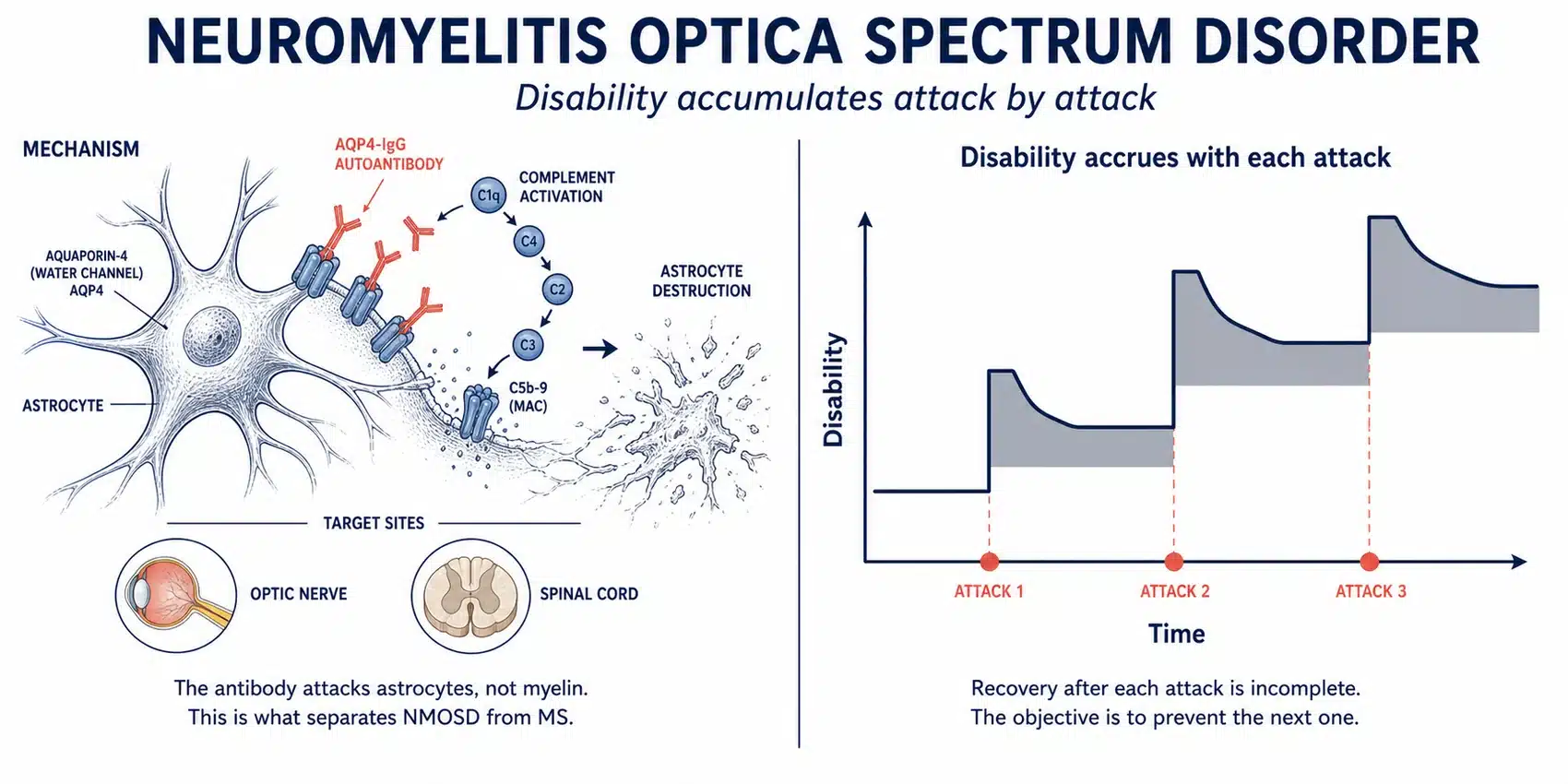
The real problem with NMOSD is the next relapse. Neuromyelitis optica spectrum disorder attacks in episodes, and each episode can take vision, strength, or bladder control that often never fully returns. Disability accumulates one relapse at a time. That is why, in NMOSD, the most important goal is not managing symptoms after an attack. It is stopping the attacks from happening at all.
HSCT, hematopoietic stem cell transplant, is one of the few approaches built around exactly that goal. Instead of suppressing the immune system indefinitely, it resets it, so it stops attacking the optic nerves, spinal cord and brainstem in the first place.
Contents
- What is NMOSD?
- What are the symptoms of NMOSD, and how is it diagnosed?
- Is NMOSD the same as multiple sclerosis?
- Why does NMOSD keep relapsing?
- How HSCT works against NMOSD
- Does HSCT work for NMOSD? What the evidence shows
- Am I a candidate for HSCT?
- Patient voices and real outcomes
- What NMOSD treatment costs
- Why choose HSCT Hospital India
- Frequently asked questions
What is NMOSD?
Neuromyelitis optica spectrum disorder (NMOSD) is a rare autoimmune disease of the central nervous system. In NMOSD, the immune system, which is meant to defend the body, instead attacks healthy tissue in the optic nerves, the spinal cord and the brainstem. The result is severe inflammation that arrives in distinct attacks.
Most people with NMOSD carry a specific antibody in their blood called AQP4-IgG. It targets aquaporin-4, a water channel found on astrocytes, the support cells of the brain and spinal cord. This is what makes NMOSD a distinct disease rather than a variant of multiple sclerosis. A smaller group of patients test negative for AQP4 but positive for a different antibody called MOG, which is now understood as a separate condition, MOG antibody disease. A third group tests negative for both and is described as double seronegative.
NMOSD is rare, affecting only a few people per hundred thousand, and it is more common in women and in people of Asian and African descent. Because it is uncommon and looks like other conditions, it is frequently misdiagnosed, which delays the treatment that protects vision and mobility.
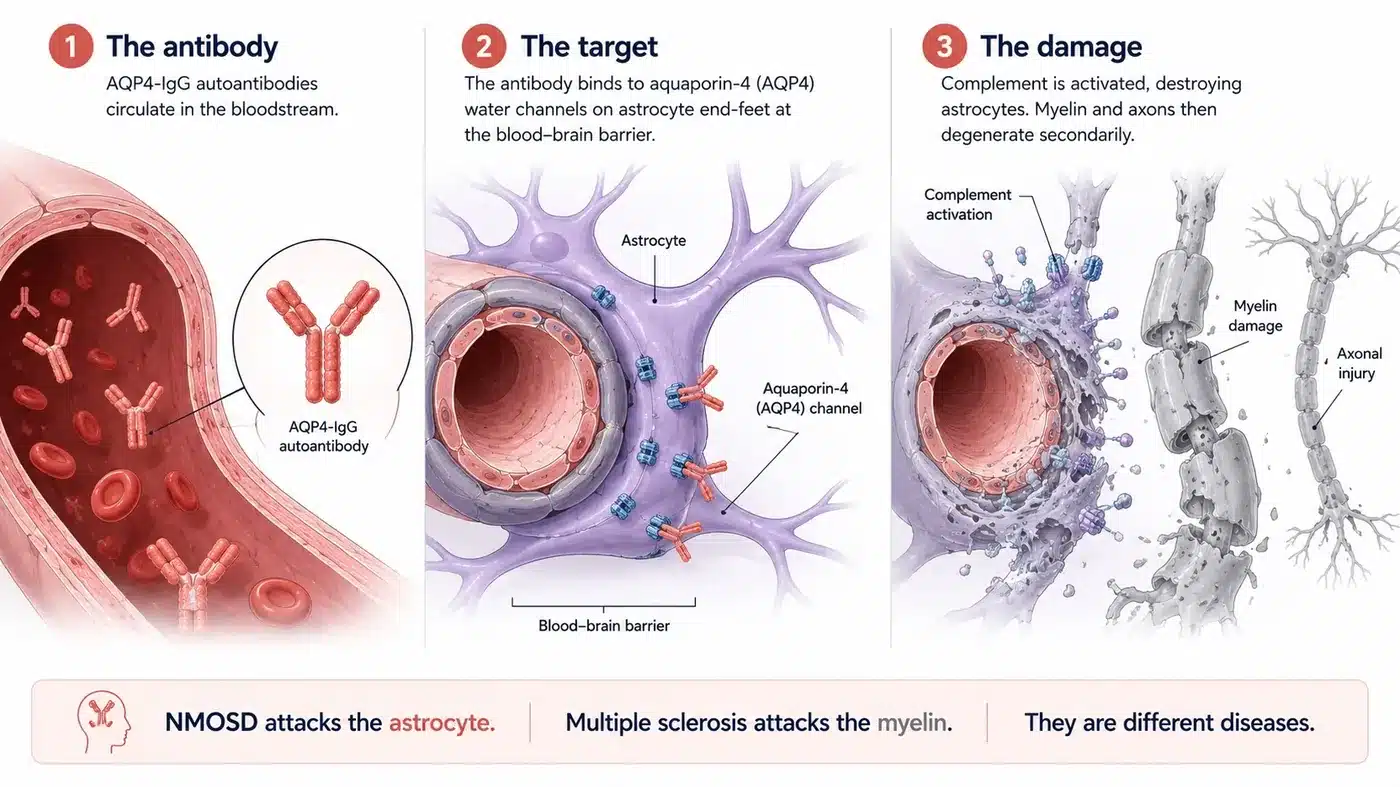
Figure 1. NMOSD is driven by the AQP4-IgG antibody attacking aquaporin-4 channels on astrocytes. The myelin damage is secondary.
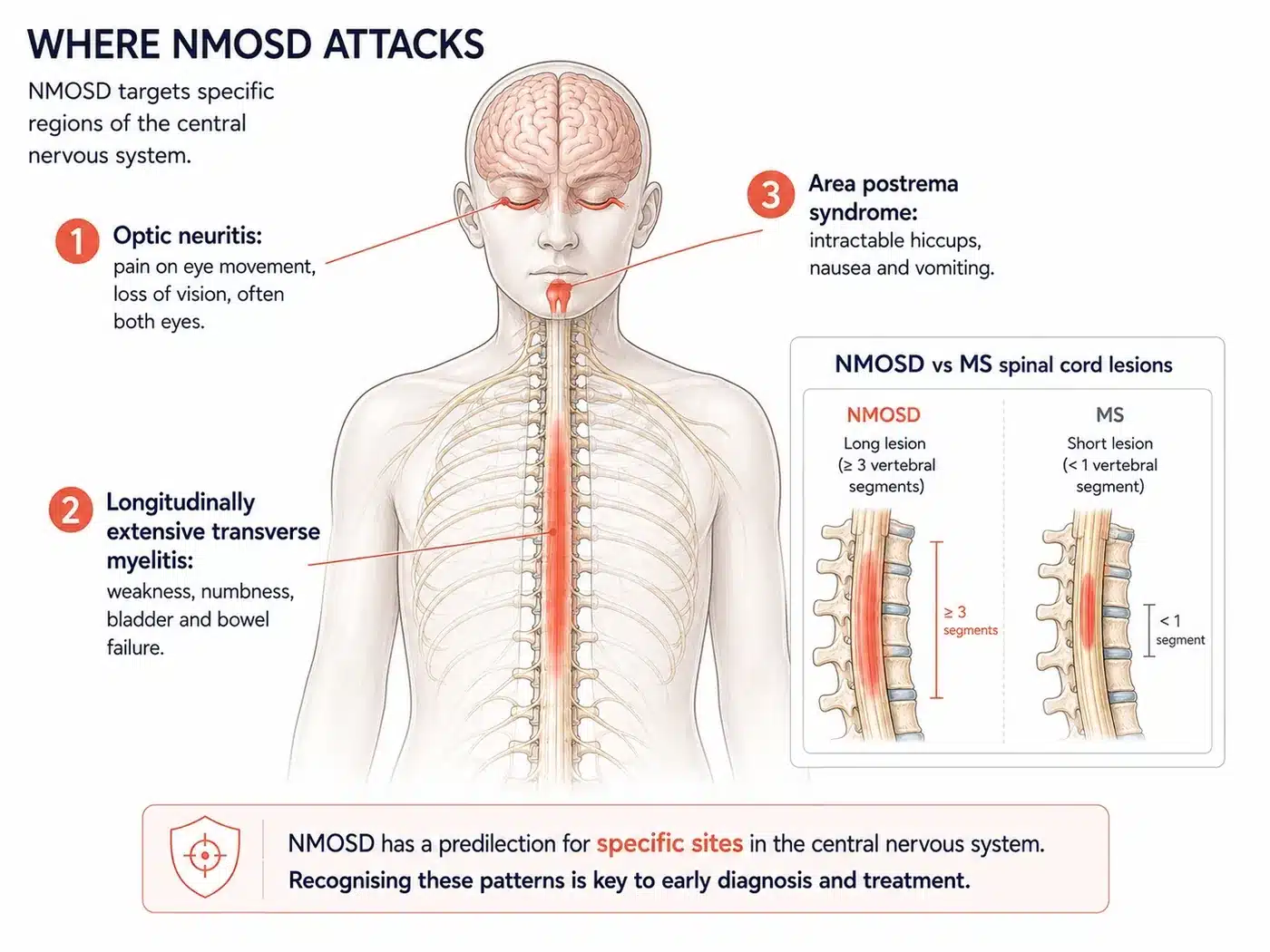
Figure 2. The three characteristic sites of attack in NMOSD. A spinal cord lesion spanning three or more vertebral segments is the classic finding.
What Are the Symptoms of NMOSD, and How Is It Diagnosed?
NMOSD attacks tend to follow three classic patterns, and a person may experience one or several over time:
- Optic neuritis: sudden loss of vision, eye pain, and loss of colour vision, in one or both eyes. In NMOSD this can be severe and affect both eyes at once.
- Transverse myelitis: inflammation of the spinal cord causing weakness or paralysis of the limbs, numbness, tight banding sensations, and loss of bladder and bowel control.
- Area postrema and brainstem syndrome: intractable hiccups, nausea and vomiting that do not respond to usual treatment, sometimes the first sign of the disease.
Beyond the attacks, many people live with ongoing pain, fatigue, and reduced quality of life between episodes.
Diagnosis rests on a combination of clinical attacks, MRI of the brain and spinal cord, and the AQP4-IgG blood test using a modern cell-based assay, which is highly specific for the disease. Correct antibody testing matters enormously, because the treatment path for AQP4-positive NMOSD, MOG antibody disease and seronegative disease is not the same. Getting the diagnosis right, and separating it clearly from MS, is the foundation of every decision that follows.
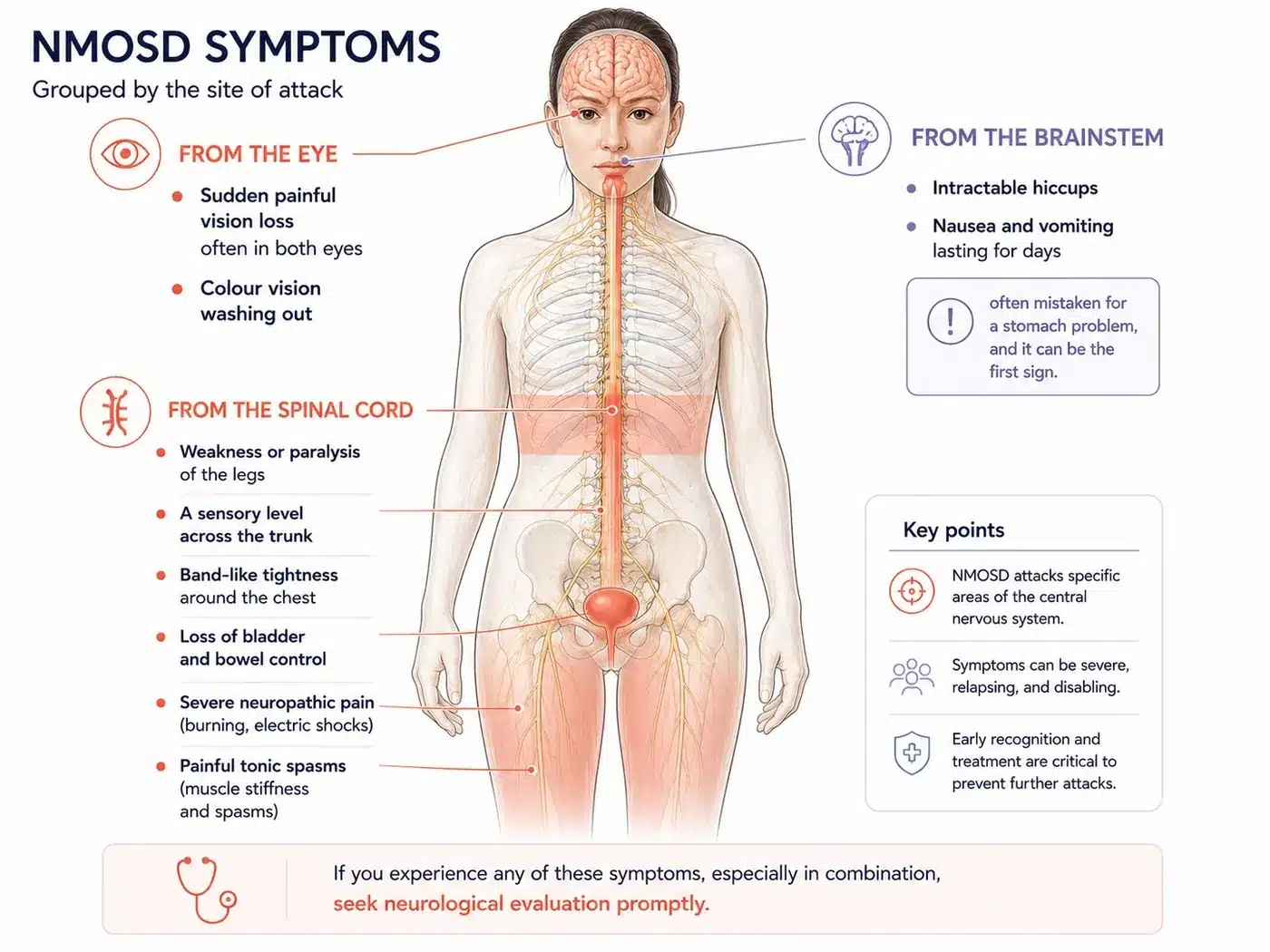
Figure 3. Intractable hiccups and vomiting are frequently the first attack in NMOSD, and are frequently investigated as a gastric problem for months.
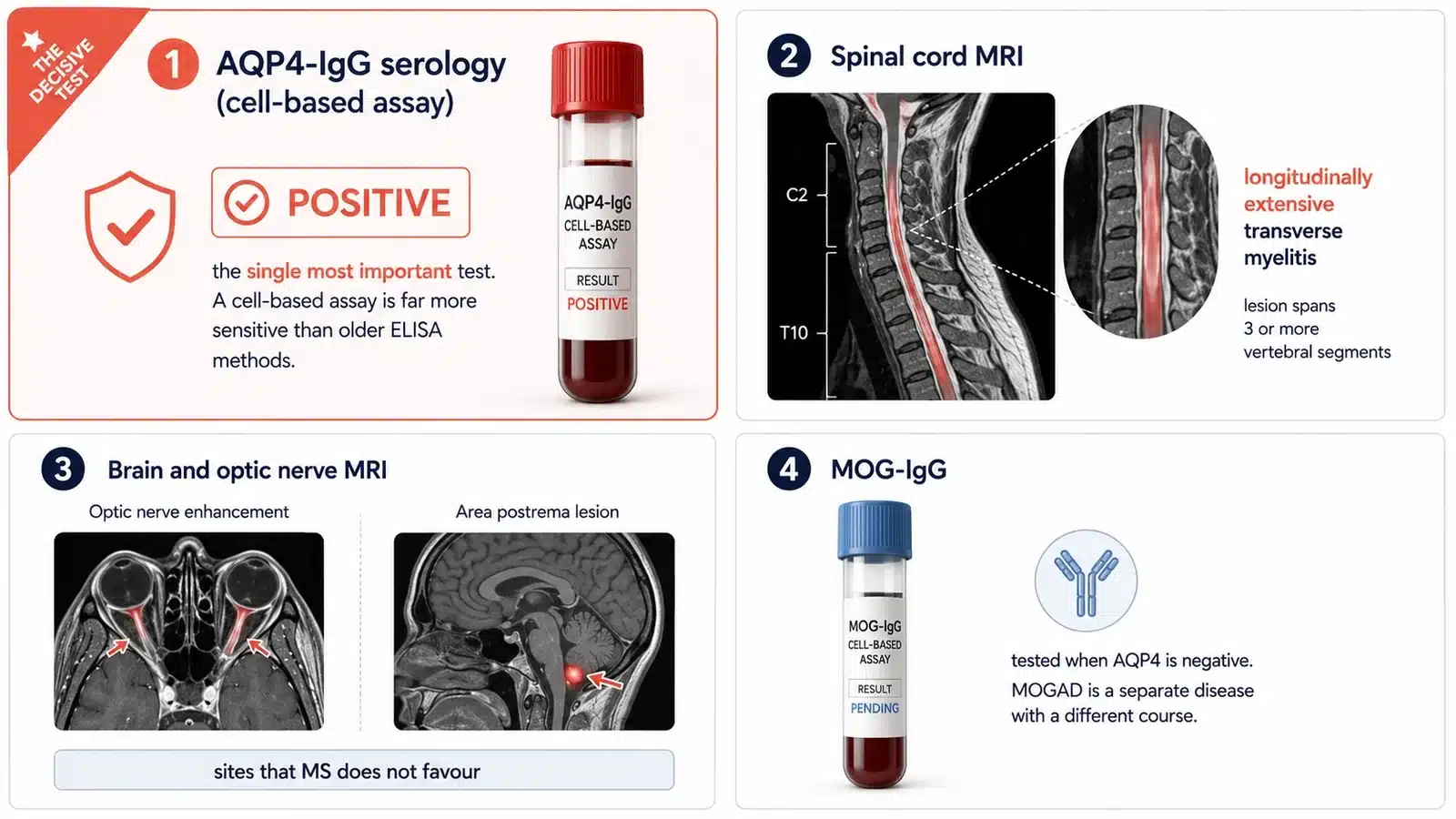
Figure 4. AQP4-IgG on a cell-based assay is the decisive test. A negative result does not close the question, and MOG-IgG is checked next.
Is NMOSD the Same as Multiple Sclerosis?
For years NMOSD was misdiagnosed as multiple sclerosis, because both can cause optic and spinal attacks. They are, however, different diseases. NMOSD is driven by a specific antibody attacking aquaporin-4, its attacks tend to be more severe, and recovery between attacks is often poorer than in MS. Critically, several treatments used for MS, including some disease-modifying therapies, can actually make NMOSD worse. This is precisely why the AQP4 antibody test and an accurate diagnosis are so important before any treatment, including HSCT, is considered.
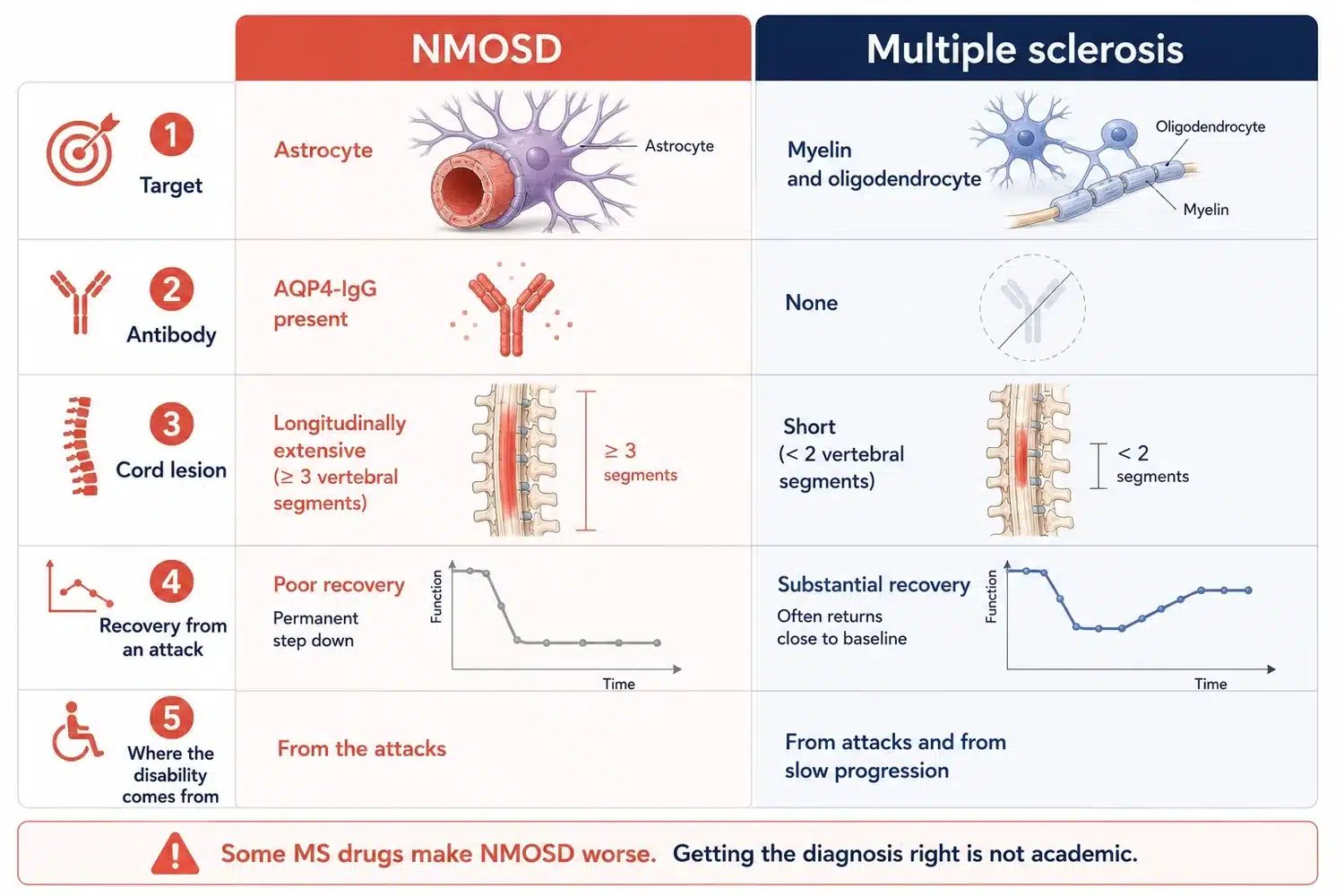
Figure 5. NMOSD and MS are different diseases. Several disease-modifying drugs used in MS are known to worsen NMOSD, which is why the AQP4 test matters before treatment starts.
 Get HSCT India Brochure Emailed to you
Why Does NMOSD Keep Relapsing?
Standard NMOSD care works by suppressing the immune system continuously. This includes older immunosuppressants such as azathioprine, mycophenolate and rituximab, and a newer generation of antibody therapies approved specifically for AQP4-positive patients, including eculizumab, satralizumab and inebilizumab. These treatments can meaningfully reduce how often attacks happen.
They share two limitations, though. They generally require indefinite, lifelong treatment, and a subset of patients continue to relapse despite them. When the disease stays active in spite of standard therapy, it is described as refractory. For these patients, the question becomes whether resetting the immune system entirely can succeed where suppressing it has not. That is the question HSCT is designed to answer.
How Autologous HSCT Ends the Aquaporin-4 Attack in NMOSD
HSCT uses your own stem cells, which is why it is called autologous, to rebuild the immune system from the ground up. The aim is not to manage NMOSD forever. It is to remove the misprogrammed immune cells that drive the attacks and rebuild an immune system that no longer recognises aquaporin-4 as a target. It runs in four stages.
1. Collection. Your own blood stem cells are mobilised out of the bone marrow and harvested, then stored safely.
2. Conditioning. A course of chemotherapy clears out the faulty, self-attacking immune cells. HSCT Hospital India uses a non-myeloablative protocol, a lower-intensity regimen designed to reduce treatment-related risk.
3. Reinfusion. Your saved stem cells are returned to your body through a simple transfusion.
4. Rebuild. Over the following weeks and months, a new immune system regrows, this time without the memory that told it to attack the optic nerves and spinal cord.
Because the treatment targets the cause rather than the symptoms, the goal for the right patient is to stop relapses and, where it works, to free them from lifelong immunosuppressive medication.
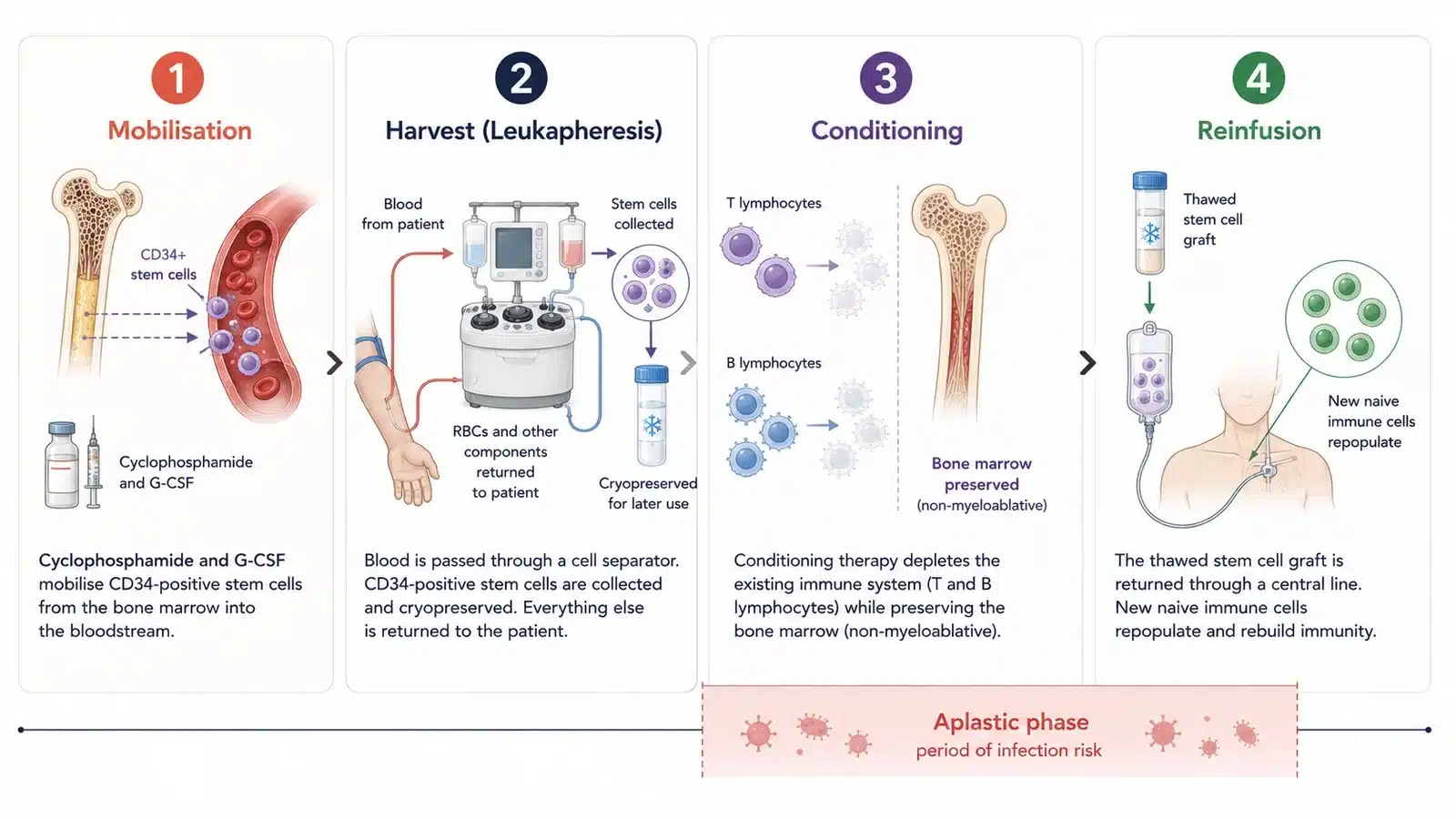
Figure 6. The four stages of autologous HSCT. The aplastic phase, between conditioning and engraftment, is when the infection risk is real.
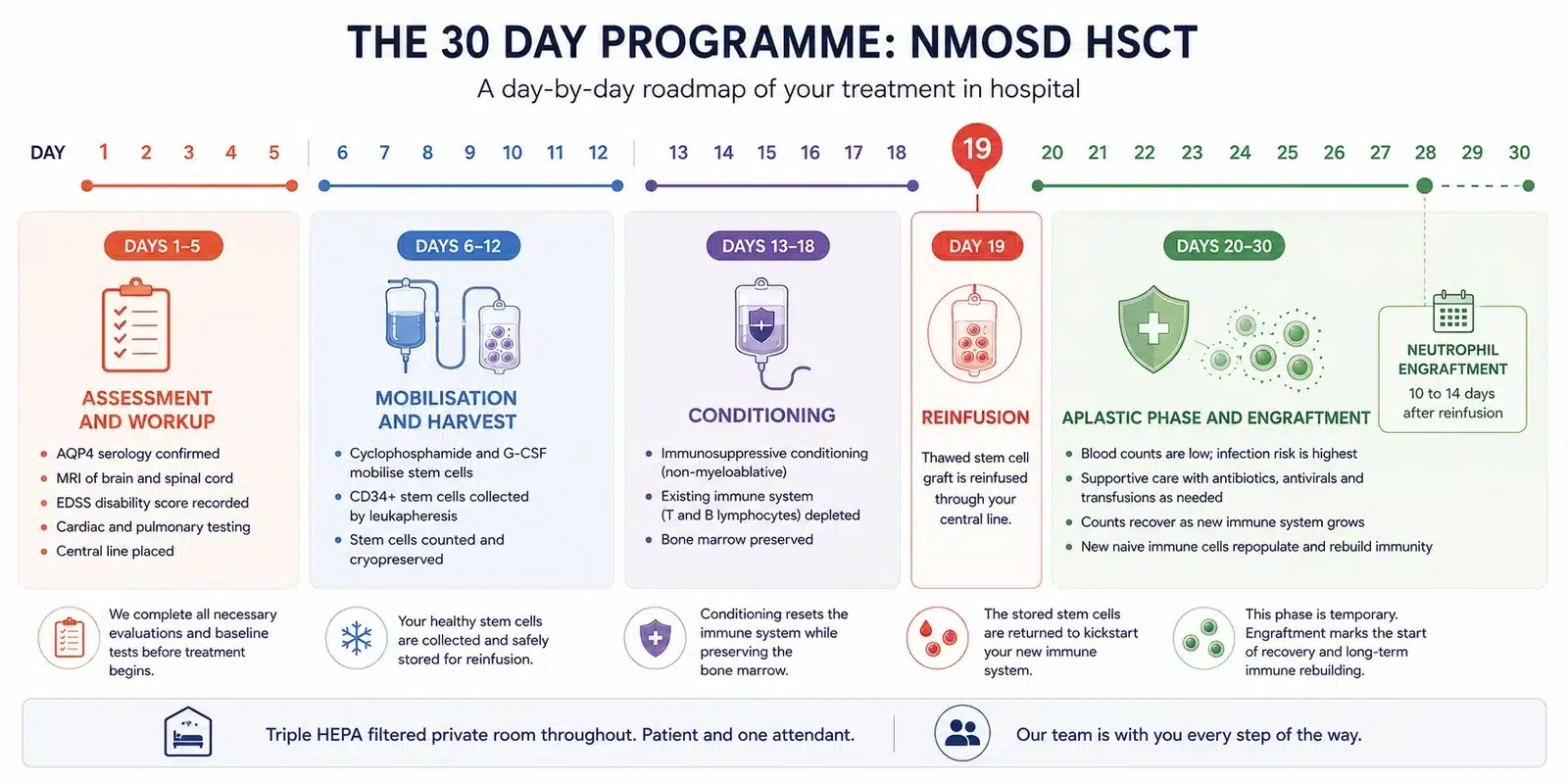
Figure 7. The 30 day inpatient programme. Both patient and attendant are accommodated for the full period.
Does HSCT Work for NMOSD? What the Evidence Shows
In the published series, autologous non-myeloablative HSCT stops relapses in the majority of carefully selected NMOSD patients, and a proportion become both relapse-free and free of all ongoing medication. HSCT is studied in patients with aggressive or refractory disease. It is not a first-line treatment, and it is not offered to patients whose disease is controlled on standard therapy.
A published cohort of NMOSD patients treated with autologous non-myeloablative HSCT and followed for a median of nearly five years saw a meaningful proportion become both relapse-free and treatment-free, with some patients losing the AQP4 antibody altogether. A 2022 systematic review and meta-analysis of patients with severe NMOSD found an overall improvement in disability scores, measured on the EDSS scale, after HSCT. The ideal conditioning regimen for NMOSD is still being refined, and the evidence suggests NMOSD may require a more intensive approach than the protocols used in some other autoimmune conditions. Patient selection therefore carries more weight in NMOSD than in conditions with a longer transplant track record.
For a carefully selected patient, HSCT has been shown to halt relapses and to improve disability in NMOSD. It is a serious procedure. It is suited to patients whose disease is active and not controlled by standard therapy, and every case requires a full transplant evaluation before it is offered.
 Request a Call Back
Are you a candidate for HSCT?
HSCT is not right for everyone with NMOSD, and matching the treatment to the patient is the single most important step. Candidacy is generally considered when:
- The diagnosis is confirmed, including antibody status, whether AQP4-positive, MOG, or double seronegative.
- The disease is active and still relapsing despite standard immunosuppressive or biologic therapy.
- Disability has been accumulating from repeated attacks, rather than staying stable.
- Overall health, organ function and age fall within a range that makes transplant reasonably safe.
- You are able to travel to India and remain for about 30 days, accompanied by a caregiver or attendant.
The fastest way to know where you stand is a formal eligibility review of your records, antibody results, MRI scans and treatment history by our medical team.
Patient voices and real outcomes
HSCT Hospital India has treated hundreds of patients from across the world along the autoimmune spectrum, and our team follows the protocol pioneered by Dr Richard Burt. In his book Everyday Miracles, Dr Burt documents the reversal of neuromyelitis optica alongside multiple sclerosis, scleroderma, CIDP and Crohn’s disease, treated by HSCT.
We are building a dedicated library of NMOSD patient experiences. In the meantime, you can watch and read real stories from our MS and CIDP patients, who went through the same immune-reset treatment and the same care team.
Read and watch our patient testimonials, or explore our related HSCT guide for CIDP.
What NMOSD Treatment Costs at HSCT Hospital India
India is one of the most established destinations in the world for HSCT, because it combines experienced transplant centres with a total cost far below the United States, the United Kingdom or Europe, and without a multi-year waiting list.
The all-inclusive HSCT package at HSCT Hospital India is 30,000 US dollars for a 30 day hospital stay for both the patient and an attendant. That single price covers the transplant procedure and conditioning, the hospital stay in a deluxe private room fitted with Triple HEPA air filtration for infection control, doctors fees, tests and consultations, medicines and consumables, neuro-physiotherapy, food and laundry for patient and attendant, and airport pick-up and drop-off. There are no hidden or extra charges in normal cases.
By comparison, HSCT can cost 150,000 to 200,000 US dollars in the United States. For a full country-by-country breakdown, see our comparison of HSCT centres and costs around the world, or the HSCT treatment package page.
Why Choose HSCT Hospital India for Life Changing NMOSD Treatment

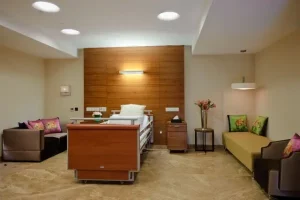 Complete 30 day HSCT done in hospital. Private deluxe rooms are very well served for patient and attendant comfort and equipped with HEPA Filter with Triple Level Air Filtration. No outside hospital stay avoids risk of infection during the aplastic phase, 24 x 7 nursing care and best medical attention. Advanced HSCT protocol used does not require any further chemo or treatment after leaving the hospital. Click here to get complete details
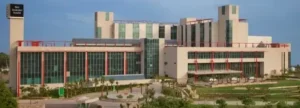 International and Globally Renowned Accreditations. HSCT Hospital India is accredited by the Joint Commission International, USA, the National Accreditation Board for Hospitals and Healthcare Providers (NABH), and the National Accreditation Board for Laboratories (NABL) for processes and high quality patient care. The non-myeloablative protocol pioneered by Professor Richard K. Burt is the protocol used here. Click here to know more

Related reading: HSCT for multiple sclerosis, HSCT for CIDP, lupus stem cell therapy, Crohn’s disease new treatment, HSCT for myasthenia gravis, HSCT for small fibre neuropathy. See also the EDSS disability scale, used to measure neurological disability before and after transplant, and HSCT centres around the world.
| Study | Design | Outcome | What it means |
|---|---|---|---|
| Burt, Northwestern (Neurology, 2019) | Open-label pilot, 13 patients (11 AQP4-IgG positive), non-myeloablative | 2 of 12 relapsed by 5 years, so roughly 83% remained relapse-free and off all medication. Neurologic Rating Scale improved from 69.5 to 85.7 (p<0.01). Quality of life score improved from 34.2 to 62.1 (p=0.001). | Sustained drug-free remission, not just fewer relapses. |
| AQP4 seroconversion (same series) | Serology before and after transplant | 9 of 11 AQP4-IgG positive patients became seronegative. No patient who seroconverted to negative relapsed. The complement-killing ability of patient serum was switched off in 6 of 7 tested. | Clearing the antibody, not merely suppressing it, is what predicts lasting remission. |
| EBMT registry (2014) | Retrospective registry, European transplant centres | Benefit in a proportion of patients, with relapses rising over time in those who did not clear the antibody. | Real-world data outside a single expert centre. |
| Meta-analysis (2020) | PRISMA-compliant meta-analysis, MS and NMOSD | Overall improvement in disability scores on the EDSS scale after HSCT in severe NMOSD. | The disability signal holds when the studies are pooled. |
| Late relapse after HSCT (2025) | Case report, AQP4-IgG positive NMOSD | Relapse can occur late after transplantation. | Remission is not guaranteed to be permanent, and follow-up does not stop at discharge. |
Table 1. The evidence for HSCT in NMOSD. The conditioning regimen used at HSCT Hospital India is the non-myeloablative protocol pioneered by Professor Richard K. Burt, the same protocol used in HSCT for multiple sclerosis and in lupus stem cell therapy, and it is the protocol used in the series above. Registry data on autoimmune transplantation across Europe is maintained by the European Society for Blood and Marrow Transplantation.
| NMOSD | Multiple sclerosis | |
|---|---|---|
| What is attacked | The astrocyte, via aquaporin-4 water channels | The myelin sheath and the oligodendrocyte that makes it |
| Antibody | AQP4-IgG present in most patients | No equivalent disease-defining antibody |
| Spinal cord lesion | Long, spanning three or more vertebral segments | Short, usually fewer than two vertebral segments |
| Recovery from an attack | Poor. Each relapse tends to leave permanent deficit | Often substantial recovery between relapses |
| Where disability comes from | From the attacks themselves | From attacks and from slow progression |
| Treatment danger | Several MS disease-modifying drugs make NMOSD worse | Those same drugs are standard care |
Table 2. NMOSD and multiple sclerosis are different diseases. Getting the diagnosis right is not academic: interferon beta, natalizumab and fingolimod, all used in HSCT for multiple sclerosis patients as disease-modifying therapy, are known to worsen NMOSD. Further background on the condition is available from the National Institute of Neurological Disorders and Stroke and the Guthy-Jackson Charitable Foundation.
| Country | Typical cost (USD) | Notes |
|---|---|---|
| India (HSCT Hospital India) | $30,000 | All-inclusive. 30 days inpatient, patient plus attendant, deluxe private room with Triple HEPA filtration. No hidden charges. |
| United States | $150,000 to $200,000 | Generally not funded by insurance for NMOSD, which is regarded as an investigational indication. |
| Lifelong monoclonal therapy | Recurring, indefinite | Eculizumab, inebilizumab and satralizumab are effective but must be continued indefinitely, and the annual cost recurs for life. |
Table 3. Cost of HSCT for NMOSD by country. Full details of what is included are on the HSCT treatment package page, and the accreditation of the centre is set out on the HSCT Hospital India page.
Frequently Asked Questions About HSCT for NMOSD
Does HSCT work for NMOSD?
In the Northwestern open-label series, 2 of 12 patients relapsed within five years of autologous non-myeloablative HSCT, so roughly 83 percent remained relapse-free and off all medication. Disability scores and quality of life both improved significantly. HSCT is studied in patients with aggressive or refractory NMOSD and is not a first-line treatment.
Can HSCT get rid of the AQP4 antibody?
In the published series, 9 of 11 AQP4-IgG positive patients became seronegative after transplantation, and the complement-killing ability of their serum was switched off. No patient who seroconverted to AQP4-negative relapsed. Clearing the antibody, rather than merely suppressing it, is what appears to predict lasting remission.
Is NMOSD the same as multiple sclerosis?
No. NMOSD attacks the astrocyte through the aquaporin-4 water channel, while multiple sclerosis attacks myelin. NMOSD produces long spinal cord lesions spanning three or more vertebral segments, and recovery from each attack is poor. Several disease-modifying drugs used in MS, including interferon beta, natalizumab and fingolimod, are known to make NMOSD worse.
What are the risks of HSCT for NMOSD?
The principal risk is infection during the aplastic phase, the period after conditioning when the patient has almost no immune system. It is managed by isolation in a Triple HEPA filtered room and immediate treatment of any fever. Cyclophosphamide is gonadotoxic and can cause permanent infertility, so fertility preservation must be arranged before conditioning begins.
Am I a candidate for HSCT for NMOSD?
The patients who benefit are those with active, relapsing, AQP4-IgG positive disease that is not controlled by standard therapy, who still have preserved neurological function to protect. Patients whose disability is already fixed and who are no longer relapsing have accumulated damage that an immune reset cannot reverse. A formal transplant evaluation establishes which of the two you are.
Will HSCT reverse the damage I already have?
HSCT stops the immune attack. It does not regrow an optic nerve or a spinal cord that has already been destroyed. Some functional recovery does occur, and disability scores improved significantly in the published series, but the primary purpose of transplantation in NMOSD is to prevent the next attack from taking something else.
Does HSCT work for AQP4-negative or MOG antibody patients?
Most of the evidence comes from AQP4-IgG positive patients, because that is the most clearly defined form of NMOSD and because clearing the AQP4 antibody is what predicts lasting remission. AQP4-negative disease and MOG antibody disease, or MOGAD, are separate conditions with a different biology and a different course, and they are assessed individually rather than assumed to respond in the same way.
How long does recovery from HSCT take?
The inpatient programme is 30 days. Neutrophil engraftment usually occurs 10 to 14 days after reinfusion. Fatigue commonly persists for three to six months after discharge, and immune reconstitution continues for 12 to 24 months. There is no maintenance chemotherapy after discharge.
How much does HSCT for NMOSD cost in India?
HSCT at HSCT Hospital India is an all-inclusive package of 30,000 US dollars, covering 30 days as an inpatient for the patient and one attendant in a deluxe private room with Triple HEPA filtration. The same procedure costs between 150,000 and 200,000 US dollars in the United States.
Is HSCT better than eculizumab, inebilizumab or satralizumab?
Those three drugs are effective at reducing relapses and are approved for NMOSD, but they must be continued indefinitely and the cost recurs for life. HSCT is a single course that has produced sustained drug-free remission in the published series. It also carries the risk of a transplant, which the drugs do not. The choice depends on disease activity, on what has already failed, and on a formal evaluation.
Can NMOSD be cured?
No treatment for NMOSD is described in the medical literature as a cure, and any centre that promises one should be treated with caution. HSCT is the only treatment shown to produce sustained remission with no ongoing medication, and in the published series a majority of carefully selected patients remained relapse-free and drug-free at five years. Late relapse has been reported, so follow-up continues after discharge.
What Is the Next Step?
Whether HSCT suits your NMOSD is decided by a formal transplant evaluation, which reviews your AQP4 serology, your MRI, your relapse history and your organ reserve together, and which establishes the one thing that decides the outcome: how much of your disease is active inflammation that can be stopped, and how much is damage that is already fixed.
That evaluation is what we do. We decline a proportion of the patients who ask us for it, and we say so before a patient travels rather than after.
Patients who have already been through the programme have recorded their own accounts of it. Click here to watch patient testimonial videos.
Click here to request a free HSCT eligibility assessment. You can also see exactly what the 30 day treatment package includes.
Real Patients,Real Stories
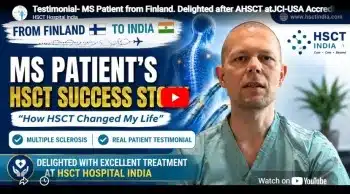
A Finland Patient’s Inspiring Recovery from Multiple Sclerosis after HSCT Treatment at JCI-USA Accredited World Class Hospital in India
Jukka from Finland, who has primary progressive MS, completed the full 30 day HSCT programme at HSCT Hospital India.

American Cop Flies to India for HSCT: 95% Symptom free, 5 Months after HSCT Treatment at JCI-USA Accredited World Class Hospital in India
Dylan, a US police officer with small fibre neuropathy, had about 95 per cent of his symptoms gone five months after HSCT.
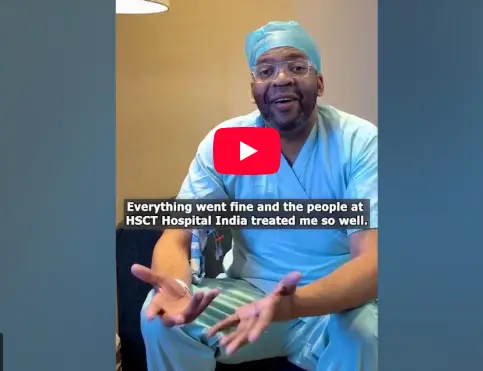
Sergel, 38M from Holland: Multiple Sclerosis Patient shares after HSCT Treatment at JCI-USA Accredited World Class Hospital in India
Watch this Video testimonial: Sergel, 38 years young man from Netherlands suffering from Multiple Sclerosis
Get the HSCT Patient Info Guide emailed to you. Our HSCT Case Manager will get in touch.
This is general medical information, not medical advice. Individual diagnosis and treatment decisions require review by a qualified medical team.