HSCT for Stiff Person Syndrome (SPS): Life Changing Stem Cell Treatment
Medically reviewed by Dr. Saurabh Bansal, DM (Neurology), Consultant Neurologist at HSCT Hospital India, with the transplant led by the board of haematologists and the bone marrow transplant team at HSCT Hospital India.
Last reviewed: 24 July 2026. This guide cites peer-reviewed studies, which are linked throughout.
What stiff person syndrome is · Symptoms · How it is diagnosed · What causes it · Does it get worse · Types of SPS · How it differs from MS · Living with SPS · Standard treatments · Can HSCT treat SPS · How the transplant works · The 30 days in hospital · Is it safe · Am I a candidate · Cost · FAQs · Next step
What Is Stiff Person Syndrome?
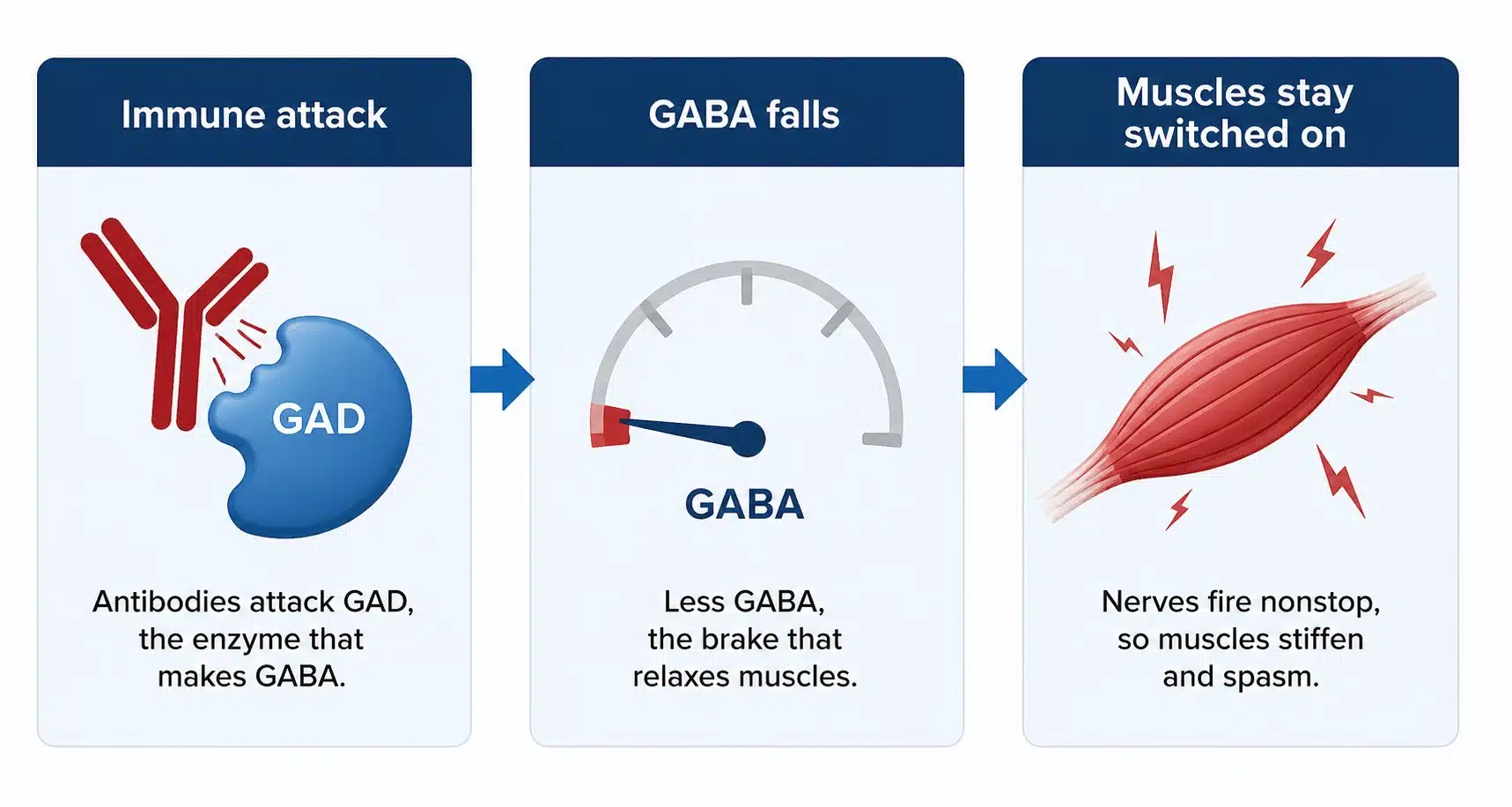
Figure 1. In stiff person syndrome, antibodies against GAD lower GABA, so the muscles lose their brake and stay contracted.
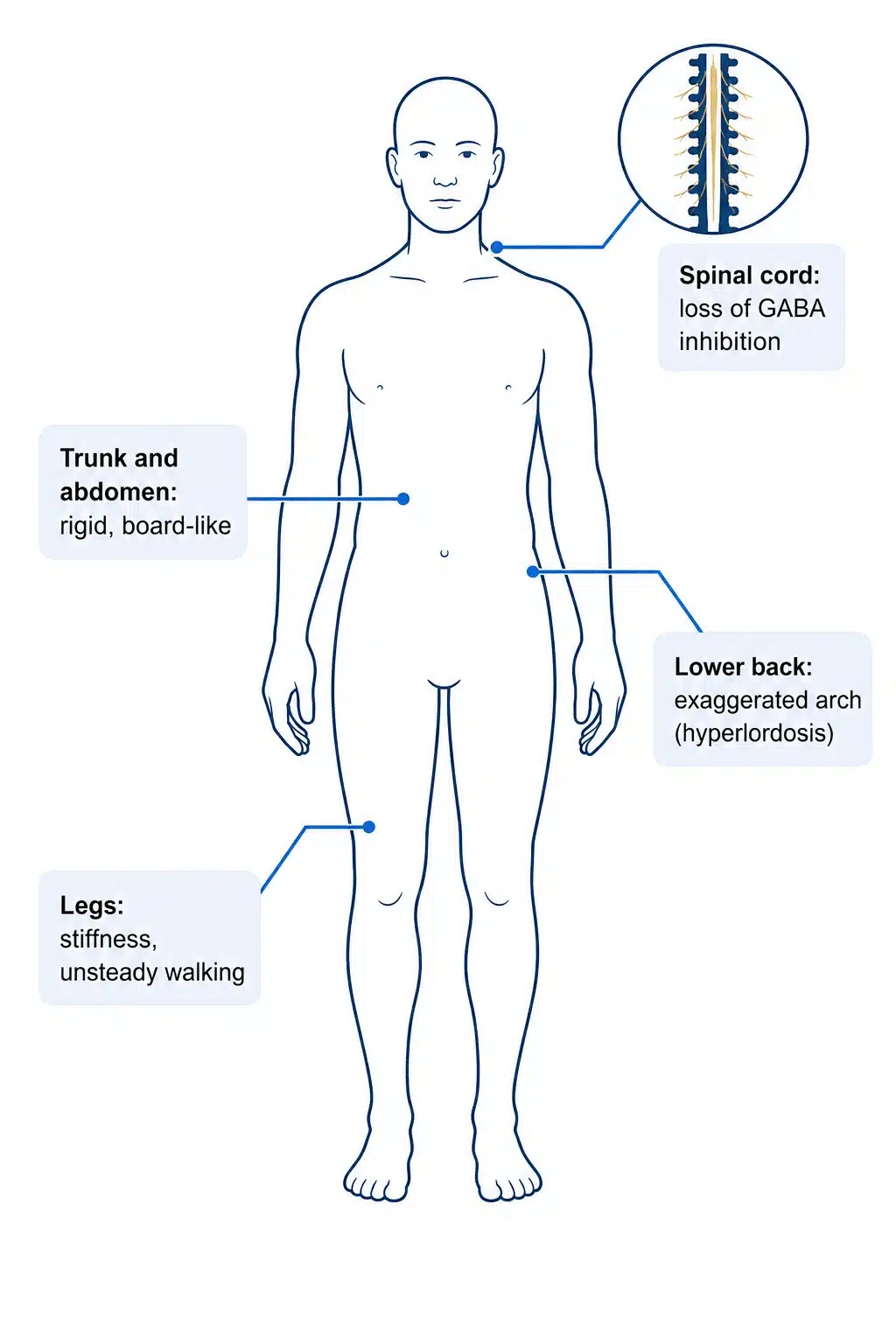
Figure 2. Where stiff person syndrome is felt: a rigid trunk and abdomen, an arched lower back, and stiff, unsteady legs.
Stiff person syndrome (SPS) is a rare autoimmune neurological condition in which the muscles of the trunk and limbs tighten and lock, and go into painful spasms. In most people it is driven by the immune system attacking an enzyme called glutamic acid decarboxylase, known as GAD, which the body uses to make GABA. GABA is the signal that tells a muscle when to relax, so when it runs low the muscles lose their natural brake and stay switched on.
That single idea, an immune system switching off the body’s brake, is the key to understanding both the disease and its treatment. Symptomatic drugs press the brake back down for a few hours. An immune reset goes to the reason the brake failed in the first place.
SPS affects roughly one to two people in a million and is about twice as common in women as in men, usually starting between the ages of 20 and 60. Because it is uncommon and easy to mistake for other conditions, many people spend years searching for an answer. Once SPS is recognised, though, it is treatable, and treatment can reach all the way to the immune process behind it.
What Are the Early Signs and Symptoms of Stiff Person Syndrome?
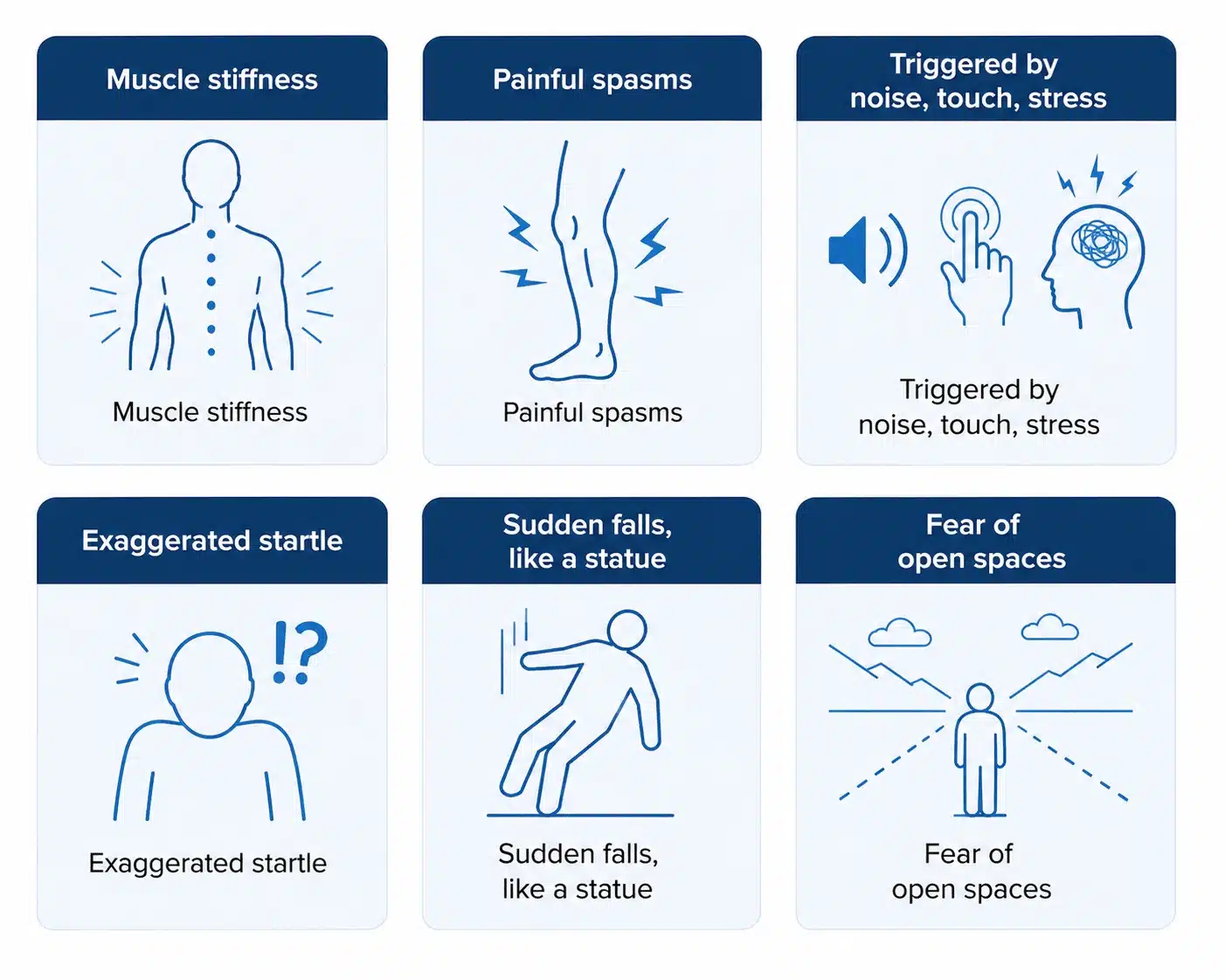
Figure 3. The core symptoms of stiff person syndrome, from stiffness and painful spasms to startle and sudden falls.
The two core symptoms are stiffness and spasm. Stiffness usually begins in the muscles along the spine and abdomen, which pulls the lower back into an exaggerated arch called hyperlordosis and leaves the trunk feeling like a board. Spasms come on top of that, often triggered by a sudden noise, an unexpected touch, cold, or emotional stress.
A spasm in SPS can be violent enough to throw a person to the ground while their body stays rigid, which is why falls in SPS are so dangerous: there is no reflex to break them. Many people develop an exaggerated startle response and a very understandable fear of open spaces, busy streets or crowds, because a car horn or a jostle can set off a fall.
Left to run, the stiffness can spread to the legs and make walking slow and unsteady, and the constant muscle contraction is genuinely painful. These symptoms are frightening, but they respond. When the underlying immune activity is brought under control, people regain steadiness, confidence and the freedom to move through a normal day, and that is the goal of every treatment described below.
How Is Stiff Person Syndrome Diagnosed?
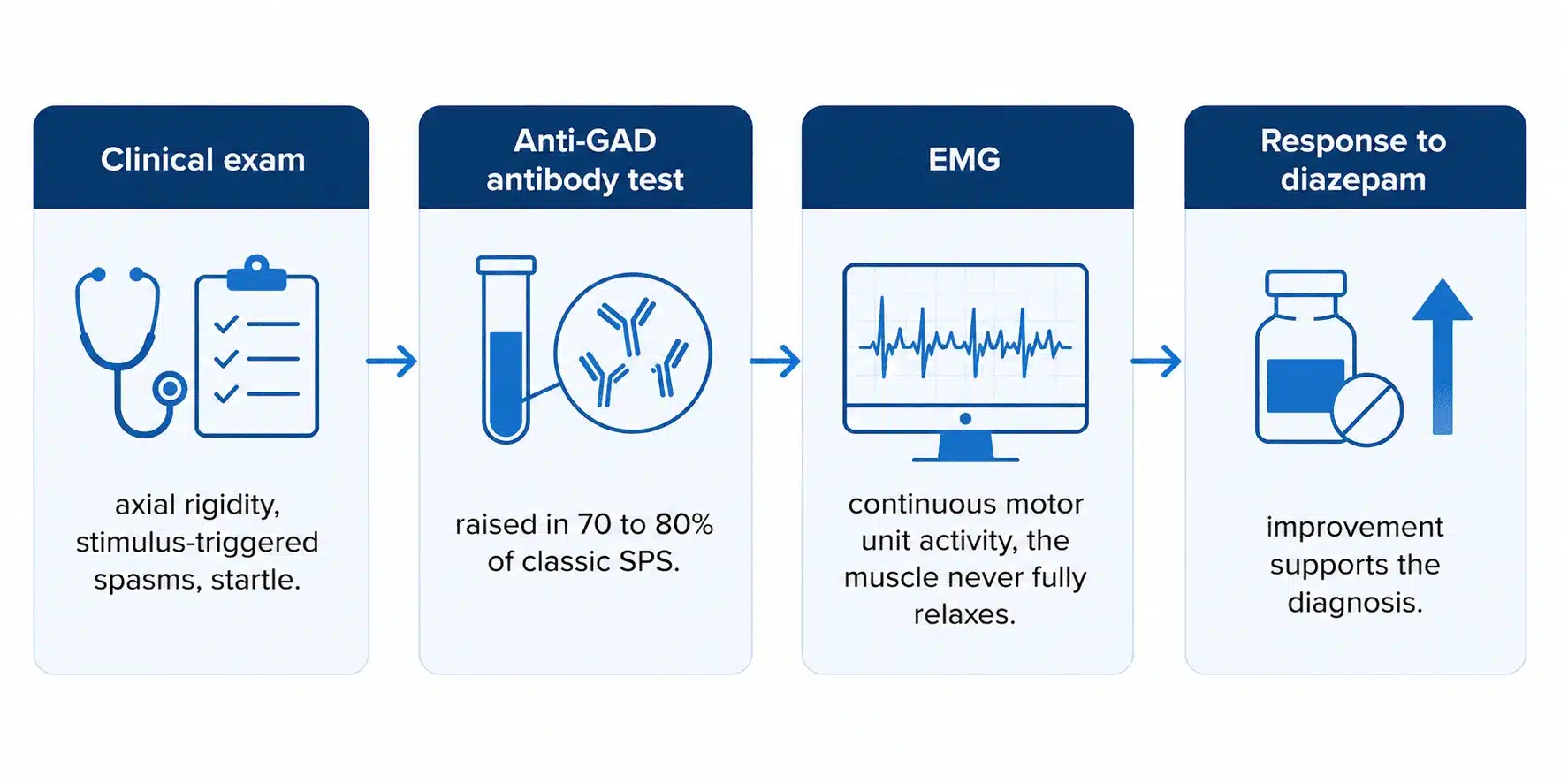
Figure 4. How stiff person syndrome is diagnosed: clinical signs, the anti-GAD antibody test, EMG and the response to diazepam.
Stiff person syndrome is diagnosed by putting together the clinical picture, a blood antibody test and a nerve-muscle study. A neurologist looks for the tell-tale combination of axial rigidity, stimulus-triggered spasms and an exaggerated startle, then confirms it with tests.
The most useful blood test measures anti-GAD antibodies, which are present in high levels in about 70 to 80 percent of people with classic SPS, often at titres many times above the range seen in diabetes. An electromyogram, or EMG, records the electrical activity in the muscle and in SPS shows continuous motor unit activity, meaning the muscle never fully switches off even at rest. A clear response to a benzodiazepine such as diazepam supports the diagnosis, and other causes of stiffness are excluded. The widely used clinical criteria were set out by Dalakas and colleagues and remain the reference for diagnosis, described in detail by the US National Institute of Neurological Disorders and Stroke.
One practical point that changes outcomes: SPS is frequently mislabelled as anxiety, a functional disorder or even multiple sclerosis for years before the right test is ordered. The sooner the antibody-driven cause is identified, the sooner treatment can protect mobility, which is why an accurate diagnosis is the first thing worth pushing for.
What Causes Stiff Person Syndrome?
Stiff person syndrome is an autoimmune condition, which means the immune system mistakenly makes antibodies against the body’s own tissue. In classic SPS those antibodies target GAD, the enzyme that produces the calming neurotransmitter GABA in the spinal cord and brain. With less GABA to quiet them, the circuits that control muscle tone fire continuously, and the result is the rigidity and spasm that define the disease.
Two other antibody patterns explain the less common forms. A small share of cases are paraneoplastic, linked to an underlying cancer and driven by anti-amphiphysin antibodies, and a rare severe variant called PERM is associated with antibodies against the glycine receptor. Because the immune system is central, many people with SPS have other autoimmune conditions such as type 1 diabetes, which is present in up to a third of patients, or thyroid disease.
Here is where the immune reset matters. The antibodies behind SPS are produced by a population of misdirected immune cells. Medicines can mop up circulating antibodies or calm the nerves for a while, but the cells that make the antibodies keep making them. A treatment that clears those cells and lets the body grow a fresh immune system is aimed squarely at the source, and that is what HSCT does.
Is Stiff Person Syndrome Progressive? Will It Get Worse?
When it is treated at the cause, stiff person syndrome can be stabilised, and many people regain function they had lost. That is the most important point to know, because controlling the immune activity is what changes the course of the disease.
Left untreated, SPS does tend to progress. Stiffness that started in the trunk can spread to the limbs, spasms can become more frequent, and mobility narrows over time. A useful warning sign that the disease is advancing rather than simply flaring is a steady climb in the dose of diazepam or baclofen needed to stay comfortable: when the numbers keep rising, the underlying process is not being held.
That is exactly the moment to look beyond symptom control toward a treatment that resets the immune system, before more function is lost. Treating earlier protects more function, from walking to living independently.
Classic SPS, PERM and the Other Types of Stiff Person Syndrome
Stiff person syndrome is really a spectrum, and knowing which form a person has guides treatment. Most people have the classic, antibody-driven form, and it is these antibody-positive cases that an immune reset is designed to target.
| Form of SPS | Main antibody | What sets it apart |
|---|---|---|
| Classic SPS | Anti-GAD (70 to 80 percent) | Stiffness along the spine and abdomen with stimulus-triggered spasms. The most common form. |
| Stiff-limb (focal) SPS | Often anti-GAD | Begins in a single limb, usually a leg, and can spread to the trunk over time. |
| Paraneoplastic SPS | Anti-amphiphysin | Linked to an underlying cancer such as breast or lung, which is treated alongside the SPS. |
| PERM | Anti-glycine receptor | A rare, severe variant that adds brainstem signs, myoclonus and autonomic instability. |
Table 1. The main forms of stiff person syndrome and their characteristic antibodies.
Identifying the form matters because the antibody-driven types, classic SPS, stiff-limb SPS and PERM, are the ones where resetting the immune system reaches the cause. A specialist review of your antibody profile is part of deciding whether HSCT is right for you.
How Is Stiff Person Syndrome Different from MS and Other Neurological Conditions?
Stiff person syndrome is often confused with multiple sclerosis because both are autoimmune, both affect movement, and both can cause stiffness. The mechanisms are different, though. MS damages the myelin coating of nerves in the brain and spinal cord, while SPS is a disorder of the signals that control muscle tone, with no demyelination. That distinction shapes both diagnosis and treatment.
What these conditions share is more useful than what separates them. They are all conditions in which the immune system attacks the nervous system, and that shared thread is why the same autologous HSCT approach is used across them. At HSCT Hospital India the same non-myeloablative protocol treats multiple sclerosis, CIDP, NMOSD and myasthenia gravis, alongside small fibre neuropathy and systemic autoimmune diseases such as lupus. If your SPS overlaps with, or was first mistaken for, one of these, you are looking at a family of conditions treated by the same immune reset.
What Is Life with Stiff Person Syndrome Like, and What If It Is Left Untreated?
With the right treatment, many people with stiff person syndrome regain steadiness, reduce or stop high medication doses, and get back to the things that make up a normal life, from walking unaided to travelling and working. That is what treatment is for, and it is an achievable goal for people whose disease is caught and targeted.
Without treatment, the picture is harder. Stiffness can spread, painful spasms can become more frequent, and repeated falls can lead to injury and a shrinking world as people avoid the triggers around them. The constant muscle tension is exhausting and can affect sleep, mood and independence.
None of that is inevitable. The reason to act, and to act sooner rather than later, is that treatment aimed at the immune cause can halt the slide and give function back, which is exactly what the next sections are about.
Which Treatments Are Tried for Stiff Person Syndrome Before HSCT?
For many people, standard treatment brings real relief, and when it does that is exactly what should be used. Treatment usually runs on two tracks at once: calming the symptoms and quieting the immune system.
On the symptom side, benzodiazepines such as diazepam are the first-line medicine, often with baclofen added, because both boost GABA activity and help the muscles relax. On the immune side, intravenous immunoglobulin, or IVIG, is the best-supported treatment, shown in a controlled trial by Dalakas and colleagues in the New England Journal of Medicine to reduce stiffness and sensitivity. Plasma exchange, corticosteroids and rituximab are also used to turn down the antibody attack.
These treatments help, and for a good number of people they are enough. The challenge is that IVIG works for a limited window and has to be repeated indefinitely, and some people find that despite climbing doses and regular infusions the disease keeps breaking through. When symptoms return between treatments, or the medication load only grows, that is the signal to consider a treatment that resets the immune system rather than managing it week by week.
 Get HSCT India Brochure Emailed to you
Does HSCT Work for Stiff Person Syndrome? What Patients Are Seeing
Yes. HSCT is an established autoimmune treatment, and for stiff person syndrome that no longer responds to standard therapy it goes after the root of the disease instead of masking it. Rather than dampening symptoms for a few weeks at a time, the transplant clears the misfiring immune cells that produce the antibodies behind the stiffness and spasms, then lets your body rebuild a healthy immune system from your own stem cells.
This is not experimental in the way it might sound. The same autologous HSCT protocol is a recognised treatment for multiple sclerosis and a wide autoimmune canvas, and more than 1,500 patients have been treated with it at HSCT Hospital India. For SPS specifically, transplant centres have reported patients with severe, treatment-resistant disease who regained mobility and reduced or stopped the medications they had depended on. Published experience includes cases from the Ottawa blood and marrow transplant programme in Canada, the United Kingdom, and a successful transplant in glycine-receptor antibody-positive SPS, and the European Society for Blood and Marrow Transplantation lists autologous HSCT as an option to consider in severe, treatment-resistant stiff person syndrome.
| What patients ask | What the published experience shows |
|---|---|
| Can it get me off medication? | Patients treated for refractory SPS have reduced or stopped benzodiazepines, IVIG and other immune therapy after transplant. |
| Will I move better? | Reported cases describe people who were severely disabled regaining mobility and independent walking after HSCT. |
| How established is HSCT? | The same protocol is a recognised treatment for MS and other autoimmune diseases, with 1,500+ patients treated at HSCT Hospital India. |
| Is the benefit lasting? | Reported follow-up shows benefit sustained over years. Results vary between individuals, which is why candidacy is assessed personally. |
Table 2. Common questions about HSCT for stiff person syndrome and what the published experience shows.
A patient treated for stiff person syndrome at HSCT Hospital India has shared his recovery in his own words, and you can read it in his stiff person syndrome recovery story.
Every person is different, and that is precisely why the first step is a personal assessment rather than a promise. If your stiff person syndrome is antibody-driven and still active despite treatment, an HSCT eligibility review tells you whether the transplant is likely to help, and that opinion from HSCT Hospital India is free.
How Does an HSCT Immune Reset Work for Stiff Person Syndrome?
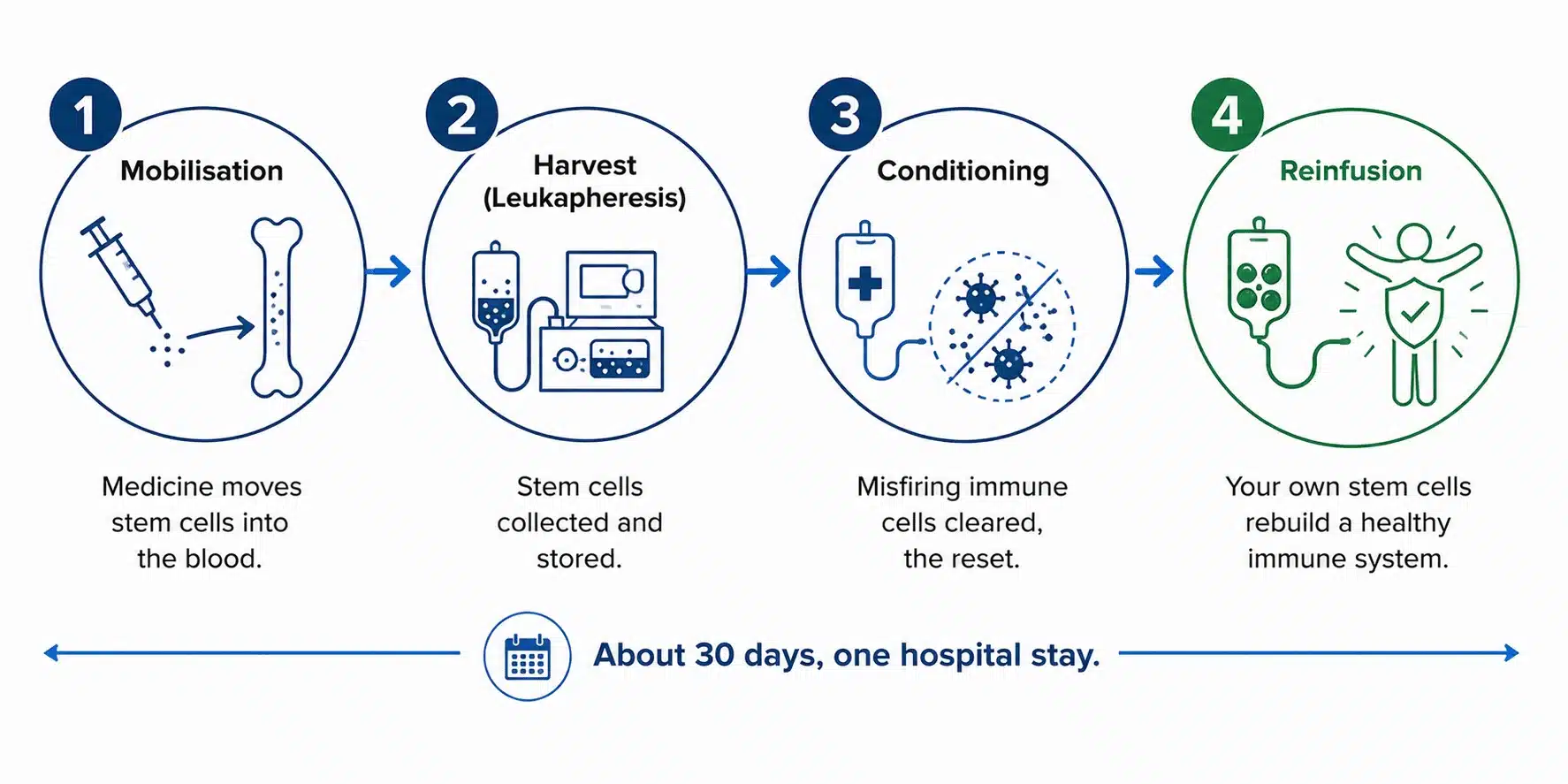
Figure 5. The four stages of autologous HSCT: mobilisation, harvest, conditioning and reinfusion.
Autologous HSCT resets the immune system in four steps, using your own stem cells, so there is no donor and no risk of rejection. The word autologous simply means the cells come from you. The protocol used at HSCT Hospital India is non-myeloablative, a lower-intensity approach that clears the misdirected immune cells without wiping out the bone marrow, which makes it safer and means no further chemotherapy is needed afterwards.
The four stages are:
- Mobilisation. A medication encourages your bone marrow to release young blood-forming stem cells into the bloodstream.
- Harvest (leukapheresis). Those stem cells are collected from the blood through a simple filtering process, a little like giving blood, and stored safely.
- Conditioning. A short course of treatment clears out the misfiring immune cells that have been driving the disease. This is the reset.
- Reinfusion. Your own stored stem cells are returned to you, where they rebuild a fresh, healthy immune system that no longer carries the same attack on your nerves.
The result is an immune system regrown from your own cells, without the antibody programme that produced the stiffness and spasms. The whole process is completed during a single hospital stay, and unlike IVIG it is not something you return for every few weeks. You can read more about how HSCT works and the protocol we use.
What Do the 30 Days of HSCT Treatment Involve?
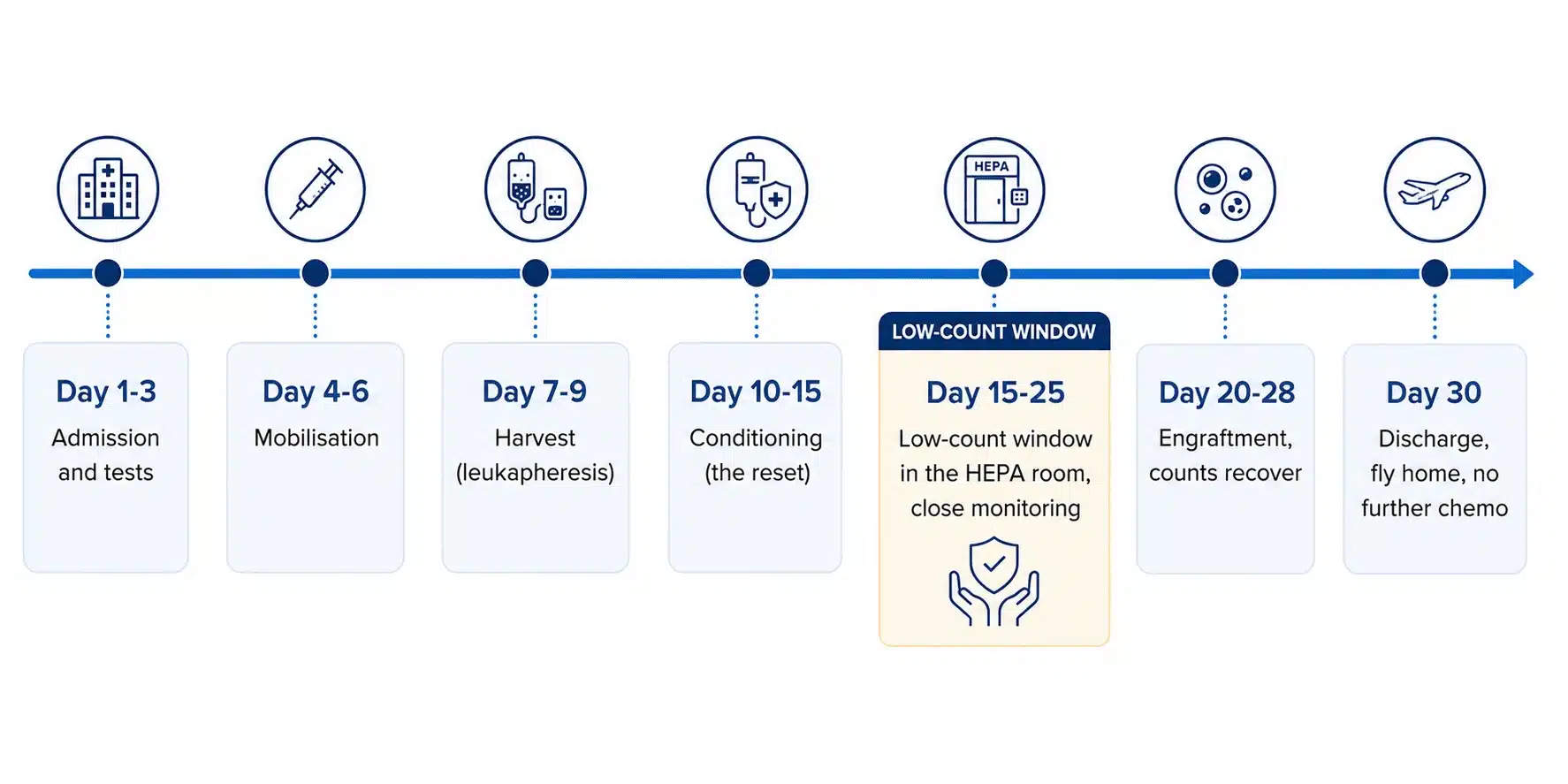
Figure 6. The 30-day HSCT stay in hospital, from admission to flying home with no further chemotherapy.
The complete treatment takes about 30 days in hospital, and every stage happens in one place under the same haematology team. The first days cover admission, tests and mobilisation. Your stem cells are then harvested and stored, and the conditioning stage follows to carry out the immune reset.
There is a short window after conditioning, before the reinfused cells engraft, when your blood counts are low and you are most vulnerable to infection. This is why the entire stay takes place inside the hospital in a deluxe private room with triple HEPA air filtration, with 24 hour nursing and specialist care, rather than in a hotel or outside accommodation. Your attendant stays with you throughout.
As the new immune system engrafts, your counts recover, and most patients are ready to fly home at around day 30 with no need for further chemotherapy. From that point the recovery continues at home as strength returns. Every stage of treatment takes place in one accredited hospital, which is a deliberate safety choice for international patients.
Is HSCT for Stiff Person Syndrome Safe?
The non-myeloablative protocol used for stiff person syndrome is a lower-intensity, well-tolerated form of transplant, and it is the same established approach that has treated more than 1,500 autoimmune patients at HSCT Hospital India. Doing the whole treatment inside a triple HEPA unit with round-the-clock specialist care is what keeps it safe.
Like any real treatment it has risks, and they are handled openly. During the short low-count window there is a higher chance of infection, which is why the HEPA isolation and nursing exist, and temporary effects such as hair loss are common and reversible. Effects on fertility are discussed with every patient in advance so that choices can be made ahead of time. These are the reasons candidacy is assessed carefully, and it is also why patients are only accepted for treatment when the balance is genuinely in their favour. That careful selection is a large part of why reported outcomes are good.
 Request a Call Back
Am I a Candidate for HSCT? How Eligibility Is Decided
If your stiff person syndrome keeps breaking through treatment, you may be a strong candidate for HSCT. The people who benefit most are those with antibody-driven, active disease that is no longer controlled by IVIG, benzodiazepines, plasma exchange, steroids or rituximab, or who are climbing to ever-higher doses to stay functional. In other words, the very situation that feels like running out of options is often the situation HSCT is designed for.
Eligibility is decided individually, on your antibody profile, how active the disease is, your general health and how much function there is to protect. If you have already completed scans, antibody tests or other pre-transplant workup at home, that is reviewed and it speeds the assessment, so nothing is repeated needlessly. Sharing your records with the board of haematologists is enough to begin, and you can also see real patient stories from people treated with the same protocol.
Whether HSCT will help you can only be answered by that personal review, and it is offered free and without obligation. If it is right for you, the team will say so clearly, and if it is not, they will say that too.
How Much Does Stiff Person Syndrome Stem Cell Treatment Cost?
At HSCT Hospital India the complete treatment is an all-inclusive US $30,000, which is a fraction of what the same transplant costs in the United States. There are no hidden extras, and the single package covers the full 30 day stay for both the patient and an attendant.
| Where | Typical cost of HSCT | What is included |
|---|---|---|
| HSCT Hospital India | US $30,000, all-inclusive | 30 days in hospital, deluxe triple HEPA private room, all doctors, tests, medicines, neuro-physiotherapy, food and airport transfers for patient and attendant. |
| United States | US $150,000 to $200,000 | Treatment cost, with stay and other expenses usually billed separately. |
Table 3. The all-inclusive HSCT package at HSCT Hospital India compared with typical US pricing.
The package spelled out includes the full treatment cost, the 30 day stay in a deluxe private room with triple HEPA filtration, all doctors’ fees, tests, consultations, medicines and consumables, neuro-physiotherapy, and food, laundry and airport transfers for both the patient and the attendant. You can compare international HSCT costs across countries to see how the all-inclusive package stands.
Stiff Person Syndrome and HSCT: Common Questions Answered
Does HSCT cure stiff person syndrome?
HSCT targets the immune cause of stiff person syndrome rather than just its symptoms, and patients treated for refractory SPS have regained function and come off medication, with benefit sustained over years in reported cases. Whether it is right for you is decided by a personal eligibility review.
Who is HSCT for in stiff person syndrome?
It is aimed at people whose antibody-driven SPS is still active despite IVIG, benzodiazepines, plasma exchange, steroids or rituximab, or who need ever-higher doses to cope. That situation of running out of standard options is often exactly where HSCT helps.
Will I be able to stop my medications after HSCT?
Many patients reduce or stop the medications they relied on after a successful transplant, because the treatment resets the immune process that made those drugs necessary. Your team will taper medication safely based on how you respond.
How long is the HSCT hospital stay?
The complete treatment is carried out over about 30 days in hospital, all in one place, after which most patients fly home with no further chemotherapy required.
Is HSCT for SPS safe?
The non-myeloablative protocol is a lower-intensity, well-tolerated transplant performed inside a triple HEPA unit with 24 hour specialist care. Risks are managed carefully, and patients are only accepted when the balance is genuinely in their favour.
Do I need a donor?
No. HSCT for SPS is autologous, which means it uses your own stem cells, so there is no donor to find and no risk of rejection.
What does the treatment cost?
The all-inclusive package at HSCT Hospital India is US $30,000, covering the full 30 day treatment and stay for the patient and an attendant, compared with US $150,000 to $200,000 in the United States.
Can I be assessed if I have already had tests in my own country?
Yes. Scans, antibody results and other workup completed at home are reviewed and speed up your assessment, so nothing needs to be repeated unnecessarily. Sharing your records is enough to begin.
How do I find out if HSCT can help me?
An HSCT case manager arranges a free, no-obligation eligibility opinion once your diagnosis and recent records arrive. You will get a clear answer on whether HSCT is likely to help in your case.
What Is the Next Step?
The one question this guide cannot answer is whether HSCT is right for you specifically, because that depends on your antibodies, how active your disease is and how much function there is to protect. That answer comes from a formal eligibility review, which reads your history and your test results together.
That review is exactly what the team at HSCT Hospital India offers, free and without obligation. Send your diagnosis and recent records through the enquiry form, and you will get a clear, specialist opinion on whether an immune reset can give you back the movement and the independence stiff person syndrome has taken.
Why Choose HSCT Hospital India for Life Changing Stiff Person Syndrome Treatment
HSCT Hospital India brings together an accredited transplant centre, an experienced team and an all-inclusive package, so that international patients can have the complete treatment done safely and affordably in one place.

 Complete 30 day HSCT done in hospital. Private deluxe rooms are very well served for patient and attendant’s comfort and equipped with HEPA Filter with Triple Level Air Filtration. No outside hospital stay avoids risk of infection, 24 x 7 nursing care and best medical attention. Advanced non-myeloablative HSCT protocol used does not require any further chemo or treatment after leaving the hospital. Click here to get complete details
 International and Globally Renowned Accreditations. HSCT Hospital India is accredited by the Joint Commission International, USA, the National Accreditation Board for Hospitals and Healthcare Providers (NABH), and the National Accreditation Board for Laboratories (NABL) for its processes and high-quality patient care.

Real Patients,Real Stories
A Finland Patient’s Inspiring Recovery from Multiple Sclerosis after HSCT Treatment at JCI-USA Accredited World Class Hospital in India
Jukka from Finland, who has primary progressive MS, completed the full 30 day HSCT programme at HSCT Hospital India.

American Cop Flies to India for HSCT: 95% Symptom free, 5 Months after HSCT Treatment at JCI-USA Accredited World Class Hospital in India
Dylan, a US police officer with small fibre neuropathy, had about 95 per cent of his symptoms gone five months after HSCT.
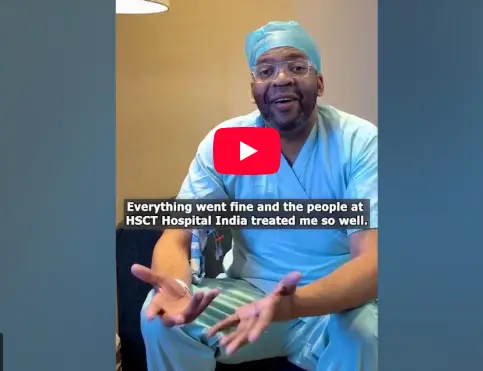
Sergel, 38M from Holland: Multiple Sclerosis Patient shares after HSCT Treatment at JCI-USA Accredited World Class Hospital in India
Watch this Video testimonial: Sergel, 38 years young man from Netherlands suffering from Multiple Sclerosis