HSCT for Sjogren’s Syndrome: Treatment for Severe Systemic Disease
Medically reviewed by the board of haematologists at HSCT Hospital India, whose transplant physicians hold DM Clinical Haematology qualifications and fellowship training in stem cell transplantation. The programme runs at a JCI-USA, NABH and NABL accredited hospital that has treated more than 1500 patients.
Last reviewed: 6 August 2026.
Who this guide is for. This guide is written for patients whose Sjogren’s syndrome has moved past dry eyes and dry mouth and reached the nerves, lungs, kidneys or blood vessels, and whose disease is still progressing on standard immune suppression. Autologous HSCT is not used for dryness alone. Whether a transplant is appropriate is decided case by case, on your medical records, your ESSDAI score and the pattern of organ involvement. The eligibility opinion is free, and it is given by a haematologist who has read your records.
On This Page
- What Sjogren’s Syndrome Is, and What It Attacks
- Why Sjogren’s Is More Than Dry Eyes and Dry Mouth
- How Sjogren’s Syndrome Is Diagnosed
- How Doctors Measure Sjogren’s Severity
- Lymphoma Risk in Sjogren’s Syndrome
- What Conventional Treatment Achieves, and Where It Stops
- Stem Cell Therapy and HSCT Are Not the Same Treatment
- What the Evidence Shows for HSCT in Sjogren’s Syndrome
- Sjogren’s as an Overlap With Scleroderma, Lupus and Myositis
- How Autologous HSCT Resets the Immune System
- Who Is a Candidate for HSCT
- What HSCT Does Not Change
- The Risks of HSCT and How They Are Managed
- HSCT Cost in India, and How It Compares Abroad
- Frequently Asked Questions About Sjogren’s Syndrome
- Why Choose HSCT Hospital India
- Sources
What Sjogren’s Syndrome Is, and What It Attacks
Sjogren’s syndrome is an autoimmune disease in which the immune system attacks the glands that produce moisture. White blood cells called lymphocytes gather inside the salivary glands and the tear glands, crowd out the cells that make saliva and tears, and over years replace working gland tissue with scar and fat. The result is persistent dry mouth and dry eyes that do not respond to drinking more water or blinking more often.
The disease carries the ICD-10 code M35.0. It affects women far more often than men, and it is most commonly diagnosed between the ages of 40 and 60, although it occurs at every age. Primary Sjogren’s syndrome means the disease stands on its own. Secondary Sjogren’s means it sits alongside another autoimmune disease, most often lupus, scleroderma, myositis or rheumatoid arthritis. The same autologous transplant is used across our autoimmune programme, including for multiple sclerosis, and you can compare every condition we treat in our HSCT treatment guides.
The gland damage follows a pattern. Immune cells arrive first and inflammation builds. Saliva and tear production falls as functioning cells are displaced. Then fibrosis sets in, and the tissue that has been lost does not come back. Treatment can act on the immune attack. The scarring already present cannot be reversed, which is why timing matters.
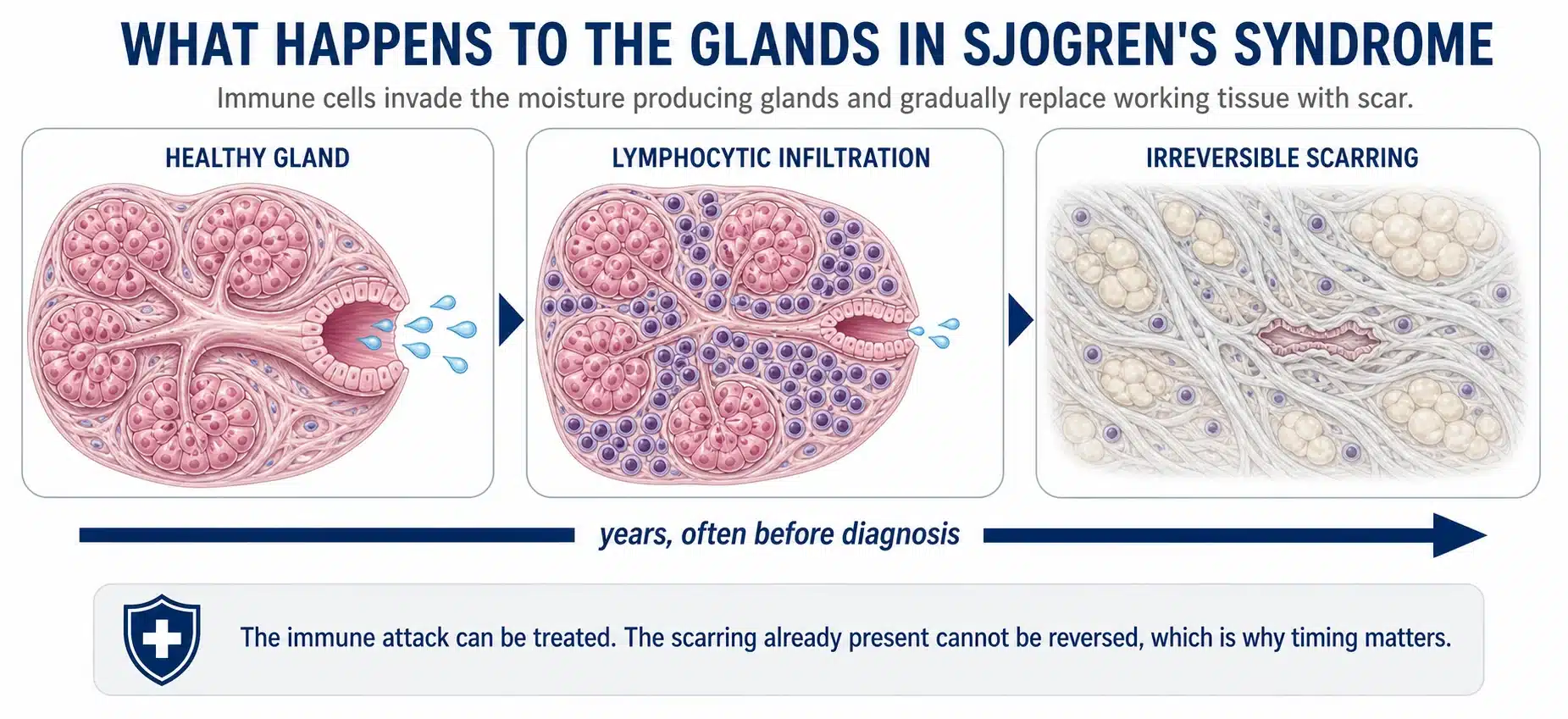
Figure 2. Immune cells invade the moisture producing glands and gradually replace working tissue with scar.
Why Sjogren’s Is More Than Dry Eyes and Dry Mouth
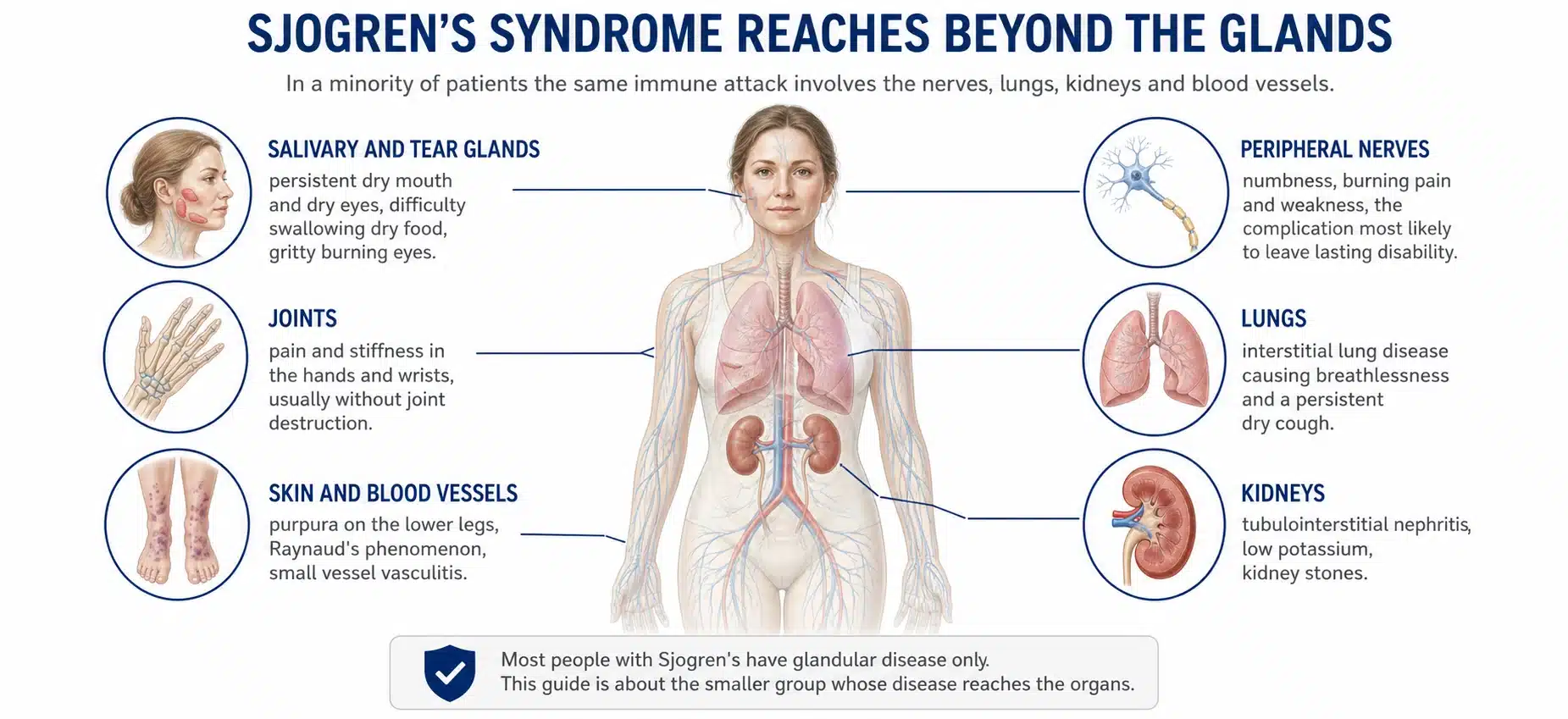
Figure 3. In a minority of patients the same immune attack involves the nerves, lungs, kidneys and blood vessels.
In most people with Sjogren’s syndrome the disease stays in the glands. In a minority it does not. The same immune process that empties the salivary glands can involve the peripheral nerves, the lungs, the kidneys, the blood vessels and the joints. This group is small. A transplant is only ever discussed within it.
The extraglandular patterns are these.
- Peripheral nerve involvement. Numbness, burning pain and weakness, usually beginning in the feet and hands. Sjogren’s can produce a sensory neuropathy, a painful small fibre neuropathy, or a vasculitic neuropathy that damages nerves through the blood vessels supplying them. Nerve damage is the manifestation most likely to leave lasting disability, and it has clinical overlap with CIDP.
- Interstitial lung disease. Breathlessness on exertion and a persistent dry cough, caused by inflammation and then scarring in the lung tissue itself.
- Kidney involvement. Tubulointerstitial nephritis, which can present as low blood potassium, muscle weakness or recurrent kidney stones rather than as anything the patient would recognise as kidney disease.
- Small vessel vasculitis. Purpura on the lower legs, sometimes with cryoglobulins in the blood. This pattern also carries a higher lymphoma risk.
- Joint involvement. Pain and stiffness in the hands and wrists, usually without the joint destruction seen in rheumatoid arthritis.
- Fatigue. Profound, disabling and poorly correlated with any blood test, which is part of why it is so often dismissed.
How Sjogren’s Syndrome Is Diagnosed
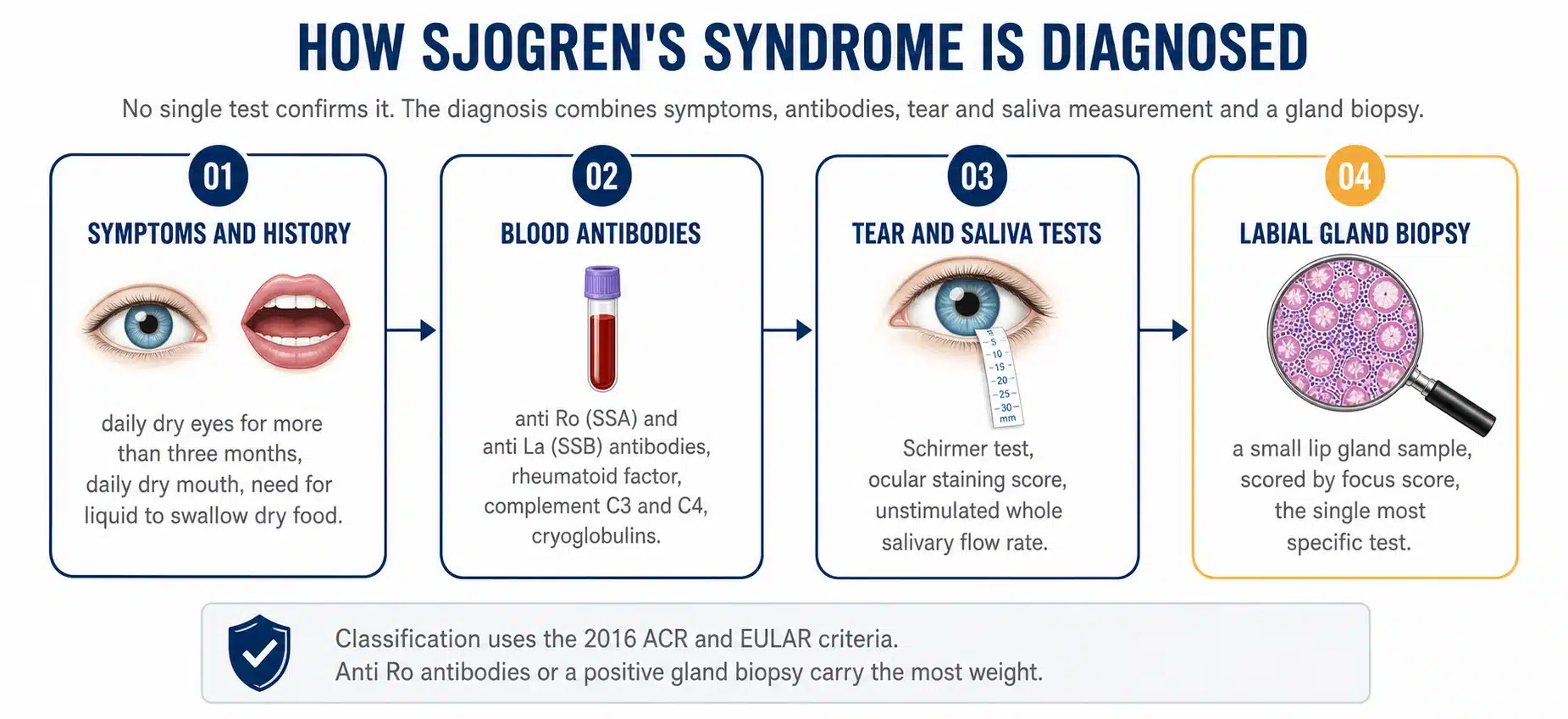
Figure 4. No single test confirms it. The diagnosis combines symptoms, antibodies, tear and saliva measurement and a gland biopsy.
No single test diagnoses Sjogren’s syndrome. The diagnosis combines symptoms, blood antibodies, objective measurement of tear and saliva production, and in many cases a small gland biopsy. Classification is commonly guided by the 2016 ACR and EULAR criteria.
| Test | What it measures |
|---|---|
| Anti-Ro (SSA) and anti-La (SSB) antibodies | The antibodies most associated with Sjogren’s. Anti-Ro carries the most diagnostic weight. |
| Schirmer test | Tear production, measured with a paper strip held in the lower eyelid for five minutes. |
| Ocular staining score | Damage to the surface of the eye caused by chronic dryness. |
| Unstimulated whole salivary flow | How much saliva is produced at rest over a set period. |
| Labial salivary gland biopsy | A small gland taken from inside the lip and scored by focus score. The most specific test available. |
| Complement C3 and C4, rheumatoid factor, cryoglobulins | Markers of systemic disease activity, and part of the lymphoma risk assessment. |
For anyone being assessed for a transplant, the antibody and complement results carry a second purpose. A low C4, rheumatoid factor, cryoglobulins and a low lymphocyte count all appear again in the lymphoma risk picture, and they shape how closely a patient is followed afterwards.
How Doctors Measure Sjogren’s Severity
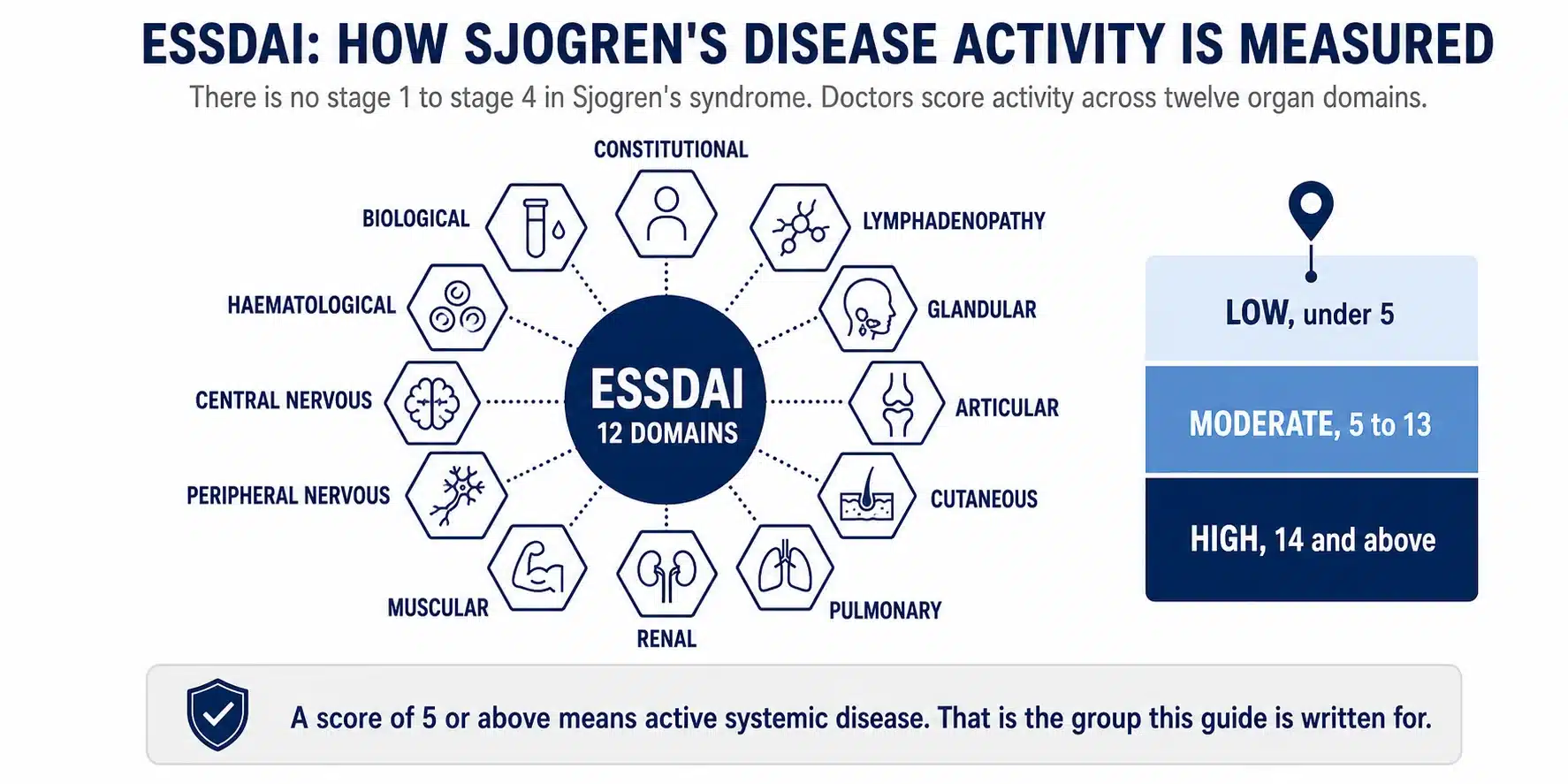
Figure 5. There is no stage 1 to stage 4 in Sjogren’s syndrome. Doctors score activity across twelve organ domains.
Sjogren’s syndrome has no numbered staging system. Patients who search for stage 3 or stage 4 Sjogren’s will not find one, because it does not exist. Severity is measured instead by the EULAR Sjogren’s Syndrome Disease Activity Index, usually written as ESSDAI, which scores disease activity across twelve organ domains.
The twelve domains are constitutional, lymphadenopathy, glandular, articular, cutaneous, pulmonary, renal, muscular, peripheral nervous system, central nervous system, haematological and biological. Each is scored by a clinician according to how active the disease is in that system, and the scores are weighted and added.
A score below 5 is generally considered low activity. A score of 5 or above indicates active systemic disease. A score of 14 or above indicates high activity. Patients considered for autologous HSCT sit in the upper part of that range, with disease that has continued to progress despite treatment. A separate score, ESSPRI, records what the patient reports: dryness, pain and fatigue. The two often disagree, and a patient can feel severely unwell while scoring low on ESSDAI.
Lymphoma Risk in Sjogren’s Syndrome
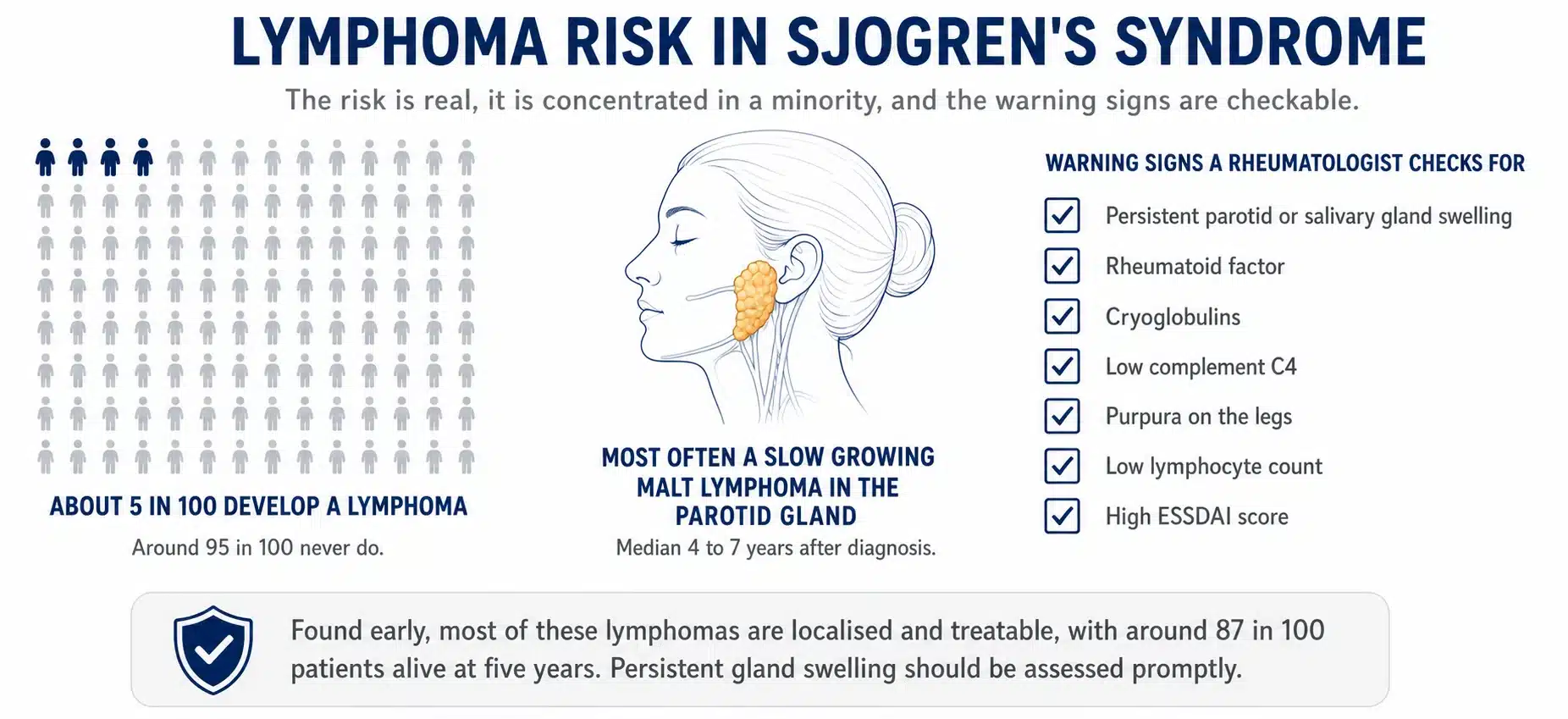
Figure 6. The risk is real, it is concentrated in a minority, and the warning signs are checkable.
Sjogren’s syndrome carries the highest lymphoma risk of any autoimmune disease. About 5 in 100 people with primary Sjogren’s develop a lymphoma over the course of the disease. About 95 in 100 never do.
Set against the general population, pooled estimates from the largest meta-analyses put the risk of non-Hodgkin lymphoma at roughly 9 to 14 times higher. The published range across individual studies is wider than that, from around 4 times in nationwide population registries to over 40 times in specialist hospital cohorts. Hospital studies see the sickest patients, so their figures run high. Population studies run lower. Both figures are measuring real populations.
The lymphoma that occurs is usually a MALT lymphoma, a slow growing marginal zone lymphoma that most often arises in the parotid gland. It typically appears several years after the Sjogren’s diagnosis, with a median of about 4 to 7 years, and cases have been reported as long as two to three decades later. Found early, most of these lymphomas are localised and respond well to treatment, with around 87 in 100 patients alive at five years.
The risk is concentrated in a minority of patients who carry identifiable warning signs. A rheumatologist can check for all of them.
| Warning sign | Why it counts |
|---|---|
| Persistent parotid or salivary gland swelling | The single most consistent predictor across studies. Risk rises with how long the swelling lasts. |
| Low complement C4 | An independent predictor of lymphoma in multivariate analysis, alongside neutropenia, cryoglobulinaemia, splenomegaly and lymphadenopathy. |
| Cryoglobulins | Associated with vasculitis and with lymphoma in multiple independent cohorts. |
| Rheumatoid factor | A recognised marker in the lymphoma risk picture, checked alongside cryoglobulins and complement at the time of assessment. |
| Purpura on the lower legs | A visible sign of small vessel vasculitis, repeatedly linked to later lymphoma. |
| Low lymphocyte count | Independent predictor alongside low complement in more than one cohort. |
| High ESSDAI score | Sustained high disease activity in the years before diagnosis raises the risk. |
No treatment has been shown to prevent lymphoma in Sjogren’s syndrome. Rituximab has not been shown to prevent it, and there is no evidence that an autologous transplant lowers lymphoma risk in Sjogren’s syndrome, so this guide makes no such claim. What the evidence supports is regular specialist follow up and prompt assessment of any persistent gland swelling or new lump.
What Conventional Treatment Achieves, and Where It Stops
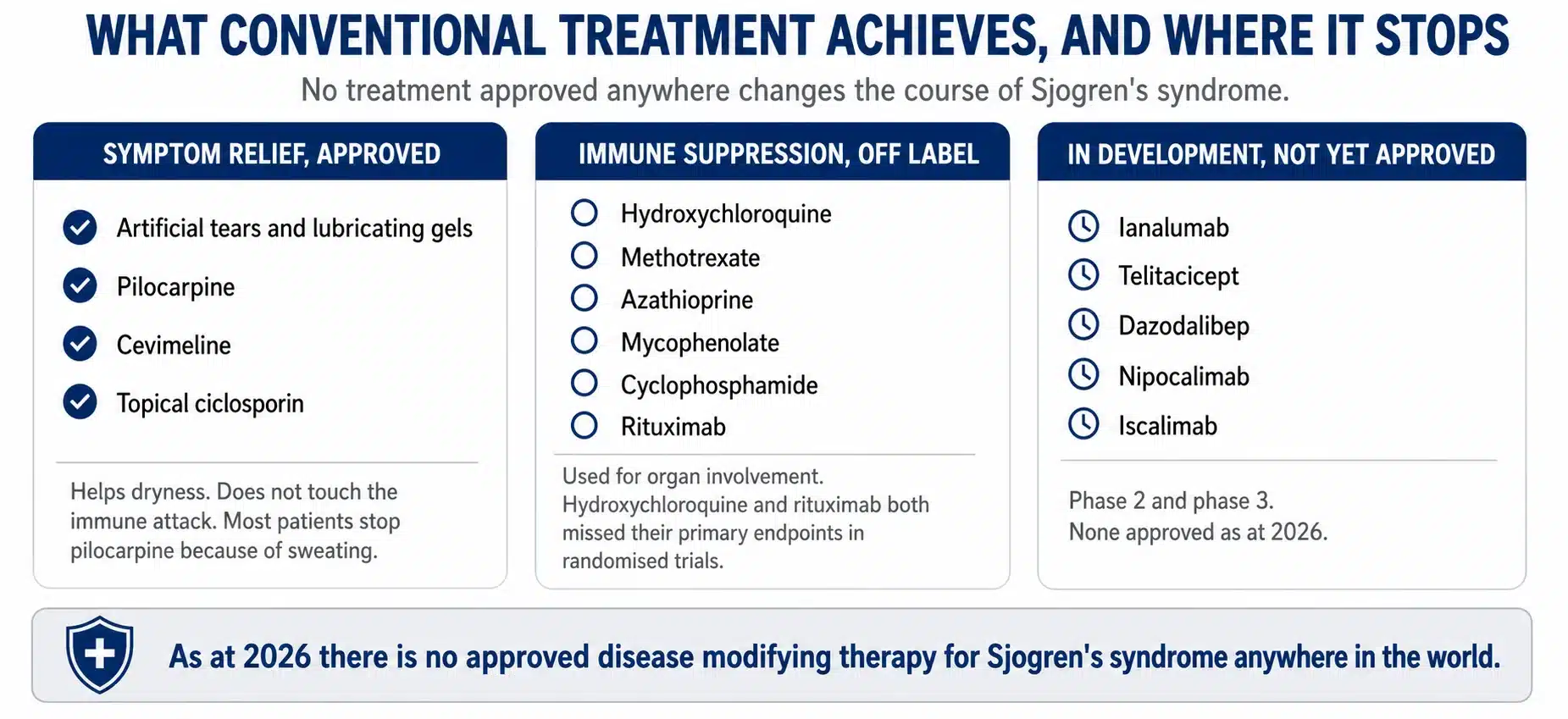
Figure 7. No treatment approved anywhere changes the course of Sjogren’s syndrome.
As at 2026 there is no approved disease modifying therapy for Sjogren’s syndrome anywhere in the world. Every systemic drug prescribed for it today is used off label. The treatments that are approved address symptoms only.
Rituximab
Rituximab is the drug most patients ask about, and the randomised evidence in Sjogren’s is negative. Two large placebo controlled trials tested it. TEARS randomised 120 patients across 14 French hospitals and missed its primary endpoint, with a difference between groups of 1.0 per cent. TRACTISS randomised 133 patients across 25 UK clinics and also missed its primary endpoint, with response rates of 39.8 per cent on rituximab and 36.8 per cent on placebo.
Rituximab does have real biological activity in the salivary gland, and it continues to be prescribed off label for systemic manifestations such as vasculitic neuropathy and cryoglobulinaemia, where response rates in uncontrolled series look better. The gap between the uncontrolled series and the randomised trials is itself informative, because disease activity in Sjogren’s fluctuates on its own, and studies without a placebo arm tend to look positive.
Hydroxychloroquine
The JOQUER trial randomised 120 patients and missed its primary endpoint, with response in 17.9 per cent on hydroxychloroquine and 17.2 per cent on placebo. Nearly every patient had detectable drug levels, so the result was not a problem of adherence. Hydroxychloroquine remains the most prescribed immunomodulator in the disease.
Dryness treatments
Pilocarpine and cevimeline increase saliva production and improve dryness symptoms. In the pivotal 373 patient trial, pilocarpine at 5 mg four times daily increased whole mouth salivary flow two to three fold and improved global assessments of dry mouth and dry eyes. Tolerability is the limiting factor. In one comparison, 61 per cent of pilocarpine users and 32 per cent of cevimeline users eventually stopped the drug for lack of effect or side effects, sweating being the most common reason. Topical ciclosporin gives a small improvement in dry eye symptoms and roughly doubles the rate of stopping for adverse effects.
Drugs in development
Several agents are in late stage testing. Ianalumab, which targets the BAFF receptor and depletes B cells, has reported that both of its phase 3 trials met their primary endpoint, and it holds FDA Breakthrough Therapy designation. Novartis has said it plans to begin regulatory submissions from early 2026. No application has been filed for review yet. Telitacicept has also reported positive phase 3 results. Dazodalibep, nipocalimab and iscalimab have phase 2 data. None of them is approved, and a trial reading out positive is not the same as a medicine being available.
Stem Cell Therapy and HSCT Are Not the Same Treatment
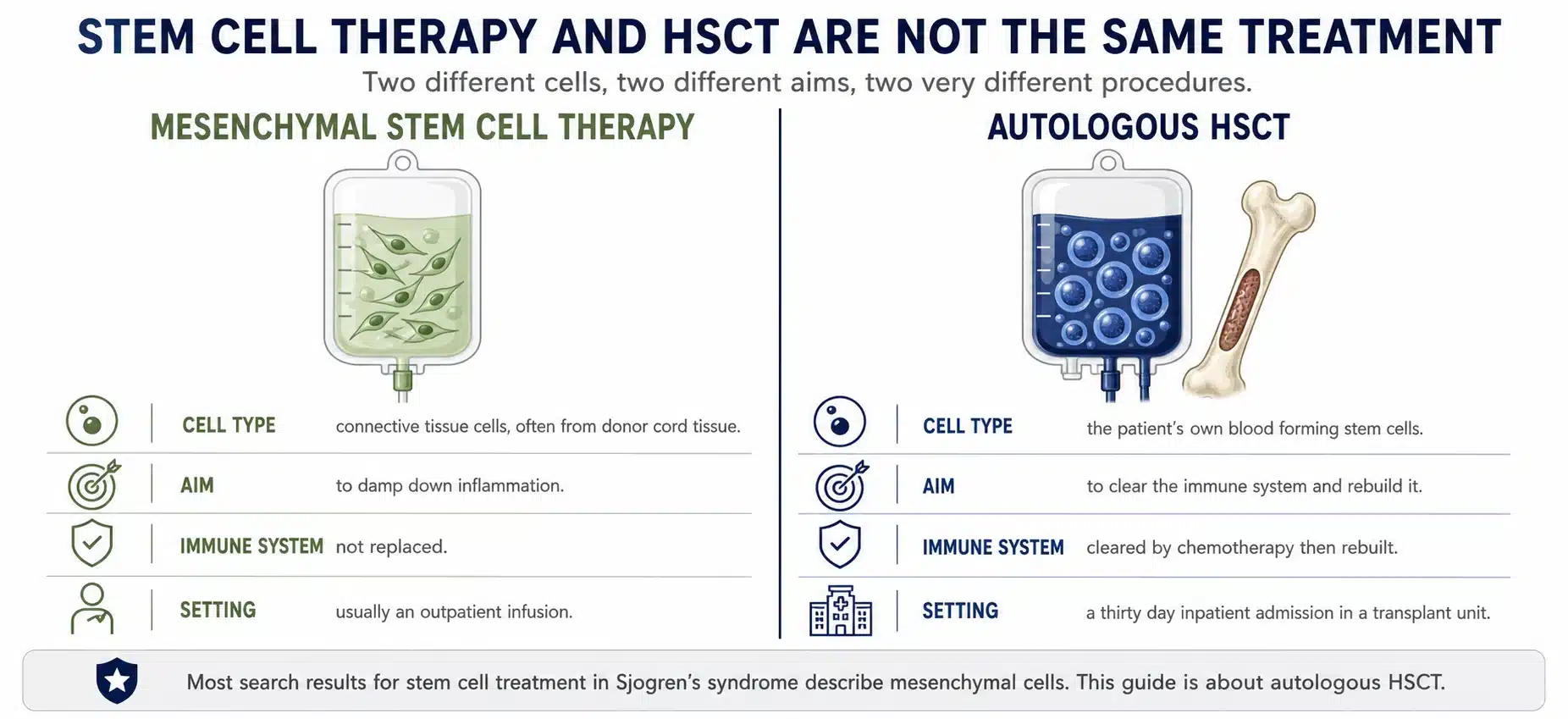
Figure 8. Two different cells, two different aims, two very different procedures.
Search for stem cell treatment for Sjogren’s syndrome and almost everything returned describes mesenchymal stem cell therapy. That is a different treatment from the one described in this guide.
| Mesenchymal stem cell therapy | Autologous HSCT | |
|---|---|---|
| Cells used | Connective tissue cells, often from donor cord tissue or fat | The patient’s own blood forming stem cells |
| Aim | To damp down inflammation | To clear the faulty immune system and rebuild it |
| Immune system | Left in place | Cleared by chemotherapy, then rebuilt from the stored cells |
| Setting | Usually an outpatient infusion | A thirty day inpatient admission in a transplant unit |
| Evidence in Sjogren’s | Mostly laboratory and animal studies, plus small dry eye studies | Very limited. Two described patients worldwide |
Clinics offering mesenchymal cell infusions for Sjogren’s are not offering the treatment described here. Establishing which of the two is on offer comes before any other question.
What the Evidence Shows for HSCT in Sjogren’s Syndrome
Autologous HSCT has a substantial evidence base in several autoimmune diseases. Multiple sclerosis and systemic sclerosis both have randomised controlled trials behind them and both are recognised transplant indications. Lupus, Crohn’s disease, CIDP, NMOSD and myasthenia gravis all have published series. Sjogren’s syndrome does not sit in that group.
In primary Sjogren’s syndrome, treated as the reason for the transplant, the published world literature describes two patients in any clinical detail. One had lymphocytic interstitial pneumonia that had failed steroids, hydroxychloroquine and methotrexate, and at 18 months after transplant the breathlessness, the inflammatory markers and the lung nodules had all improved. The other had neurovascular Sjogren’s, was treated within a phase 1 trial of non-myeloablative transplant for refractory vasculitis, entered sustained remission at 6 months and remained off all immunosuppression afterwards. Both reports describe good outcomes. Publication tends to favour cases that go well, so two reports cannot be read as a success rate. What they show is what has been achieved in carefully selected patients with severe systemic disease. The European transplant registry recorded 3 Sjogren’s transplants in a 2008 snapshot, with no outcomes ever published, and later stopped listing Sjogren’s as a category of its own, folding it into a combined group of other connective tissue diseases. No safety or survival figure can be drawn from that group, because it is mostly not Sjogren’s and the numbers are far too small to support any inference.
There is no randomised trial, no meta-analysis and no published case series of autologous HSCT in primary Sjogren’s syndrome. Sjogren’s does not appear as an indication in the EBMT transplant guidelines or in the EULAR management recommendations for the disease. It does appear in a 2024 EBMT position statement carrying eligibility criteria, and those criteria are for CAR-T and mesenchymal cell trials rather than for HSCT.
Four further patients in the literature had a transplant for a blood cancer and happened to have Sjogren’s as well. Their transplants were planned to treat the cancer rather than the Sjogren’s, and the conditioning regimens were chosen accordingly. The Sjogren’s did not respond in any of them. In one, salivary gland function continued to fall after the transplant even though the lymphoma was cured, and that remains the only published objective measurement of gland function after HSCT in this disease. The transplant is aimed at the systemic disease rather than at the glands.
No response rate or remission rate has been published for Sjogren’s syndrome specifically, so this guide does not quote one. Where a figure comes from a related disease, it is named as such.
Sjogren’s as an Overlap With Scleroderma, Lupus and Myositis
Sjogren’s syndrome very often does not travel alone. It commonly accompanies systemic sclerosis, lupus andmyositis. For a substantial number of the patients who reach us with Sjogren’s in their diagnosis list, the transplant question is being asked about the overlapping disease.
This changes the assessment in a practical way. Systemic sclerosis and lupus both have real transplant evidence behind them, including randomised trials in the case of systemic sclerosis. Where a patient carries Sjogren’s alongside one of those diseases, and the overlapping disease meets transplant criteria in its own right, the decision rests on that disease and its evidence base. The Sjogren’s does not disqualify anyone, and it does not on its own qualify anyone either.
The same logic applies to nerve disease. Where Sjogren’s has produced a progressive vasculitic or demyelinating neuropathy, the assessment draws on the transplant evidence in vasculitis and in CIDP, which is considerably stronger than anything published in Sjogren’s alone. Our HSCT for autoimmune diseases overview sets out where each condition currently stands.
How Autologous HSCT Resets the Immune System
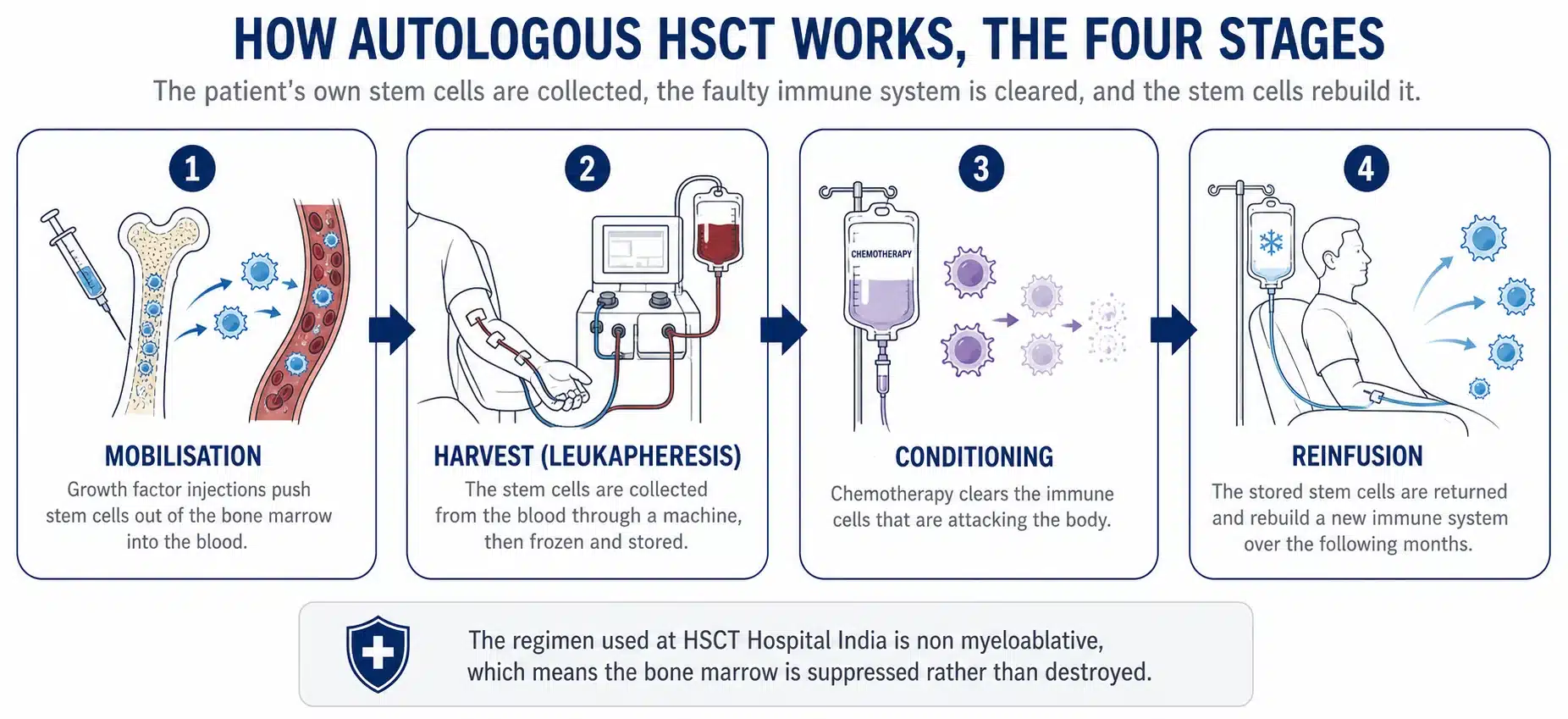
Figure 9. The patient’s own stem cells are collected, the faulty immune system is cleared, and the stem cells rebuild it.
Autologous HSCT uses the patient’s own blood forming stem cells to rebuild an immune system that has been attacking the body. Autologous means the cells come from the patient, so there is no donor and no risk of graft versus host disease. The regimen used at HSCT Hospital India is non-myeloablative, meaning the bone marrow is suppressed rather than destroyed. Non-myeloablative regimens carry lower transplant related mortality than the myeloablative regimens used in earlier decades, which does not make them low risk. The figures are in the risks section below.
The treatment runs in four stages.
- Mobilisation. Growth factor injections push stem cells out of the bone marrow and into the bloodstream, where they can be collected.
- Harvest (Leukapheresis). Blood is drawn through an apheresis machine that separates out the stem cells and returns the rest. The collected cells are counted, frozen and stored.
- Conditioning. Chemotherapy clears the immune cells that have been driving the disease. This is the stage during which the patient is most vulnerable to infection and is nursed in a HEPA filtered room.
- Reinfusion. The stored stem cells are thawed and returned through a drip. Over the following weeks and months they rebuild a new immune system.
The intended effect is that the rebuilt immune system no longer carries the memory that was driving the attack. In diseases with a strong evidence base this has produced long periods free of disease activity and free of immunosuppressive drugs. In Sjogren’s syndrome specifically, the evidence that this happens rests on the two published cases.
Who Is a Candidate for HSCT
Eligibility in Sjogren’s syndrome turns on systemic disease, not on dryness. The pattern that leads to a serious transplant discussion looks like this.
- Confirmed primary Sjogren’s syndrome by the 2016 ACR and EULAR criteria, or Sjogren’s overlapping scleroderma, lupus or myositis.
- Active extraglandular disease with a high ESSDAI score, most often involving the peripheral nerves, the lungs, the kidneys or the blood vessels.
- Continued progression despite corticosteroids and at least one standard immunosuppressive agent, and in most cases despite rituximab.
- Heart, lung, liver and kidney function adequate to tolerate conditioning chemotherapy, confirmed by formal testing.
- No active infection and adequate performance status.
- Occult lymphoma excluded first. The patients most likely to meet the criteria above are also the patients at highest lymphoma risk, because high ESSDAI, low complement, cryoglobulins and vasculitis appear on both lists. Imaging, and biopsy of any persistent gland swelling, are completed before any conditioning decision is taken.
- Realistic expectations about what the treatment addresses, which is the systemic disease rather than the dryness.
Every enquiry is reviewed against the medical records by an HSCT case manager and a haematologist before any recommendation is made, and that review costs nothing. Where the disease is confined to the glands we say so at the assessment stage, before anyone travels or spends anything. Get Free Expert Opinion Now
What HSCT Does Not Change
HSCT acts on the immune attack. The salivary and tear gland tissue that has already been destroyed in Sjogren’s syndrome has been replaced by scar and fat, and a transplant does not rebuild it. Patients should expect to continue with artificial tears, saliva substitutes and the rest of their dryness care afterwards. In the one published case where salivary function was measured objectively after transplant, it continued to decline.
No published data reports what happens to anti-Ro or anti-La antibody levels after HSCT in Sjogren’s syndrome, so this guide makes no claim about them.
Fatigue responded poorly to every drug tested in the randomised trials, and no transplant data on fatigue in this disease has been published. It is one of the things we go through individually at assessment.
The Risks of HSCT and How They Are Managed
Autologous HSCT is a major procedure and it carries real risks. The figures below come from the much larger published experience of autologous HSCT in other autoimmune diseases, and they apply here because it is the same procedure. Each of these risks is screened for before conditioning and managed during the admission, and this section sets out both halves.
Death
Transplant related mortality in autologous HSCT for autoimmune disease is real and is quoted in single figure percentages in the published series, varying with the conditioning regimen used, the disease being treated, the organ function of the patient and the experience of the centre. Non-myeloablative regimens carry lower mortality than myeloablative ones. Patients with existing heart, lung or kidney damage carry higher risk, which is why the work up before conditioning is not a formality. Our haematology team goes through the work up findings and the risk for your own case at the assessment, before any decision to proceed is taken.
Infertility and early menopause
Conditioning chemotherapy can cause permanent infertility and premature ovarian failure. Anyone who may want children afterwards needs fertility preservation counselling before mobilisation begins, not after. Once conditioning has started this cannot be undone.
Second cancers
Conditioning chemotherapy carries a risk of secondary malignancy, including myelodysplastic syndrome and acute leukaemia, appearing years later. In Sjogren’s syndrome the work up before conditioning includes imaging and, where there is persistent gland swelling, a biopsy, so that any existing lymphoma is found and dealt with first.
Infection
Between conditioning and immune recovery the patient has almost no working immune system. Infections during this window can be severe and can be fatal. This is the reason for HEPA filtered rooms, protective isolation and the length of the admission.
Relapse and what failure looks like
A transplant does not guarantee a permanent result in any autoimmune disease. Some patients relapse and need further treatment. In the published cases where patients received a transplant for a blood cancer, the Sjogren’s returned in the months afterwards, at two months in one report and at seven to twelve months in another.
Care after you fly home
Recovery continues for months after discharge, and it happens at home rather than here. Arranging that follow up with your own haematologist and rheumatologist before you travel is part of the decision, and the cost of care in your own country after discharge is not covered by the package price.
We encourage you to take this page, and the opinion we give you, to your own rheumatologist and haematologist. A second opinion from the doctors who already know your case is part of a sound decision, and we are happy to speak with them directly.
HSCT Cost in India, and How It Compares Abroad
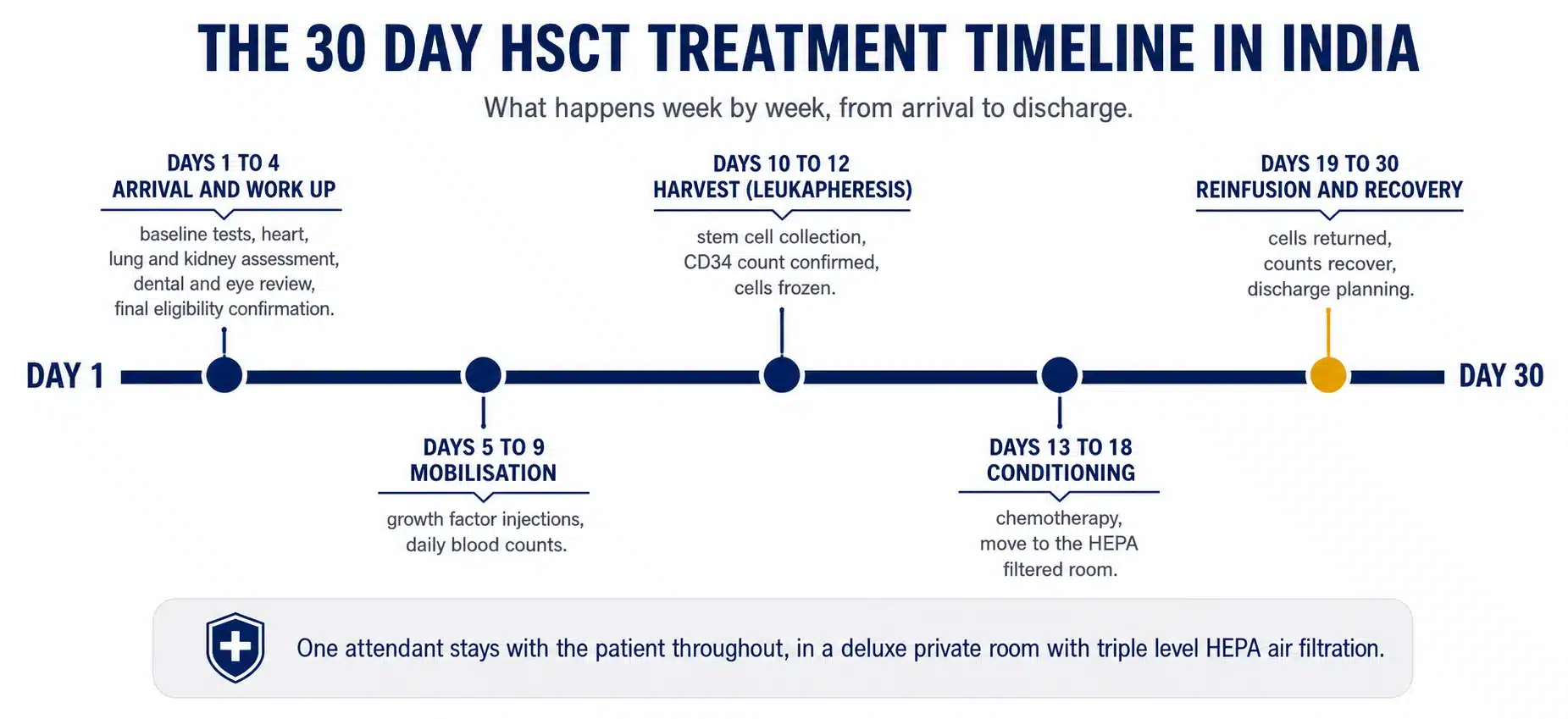
Figure 10. What happens week by week, from arrival to discharge.
The all inclusive autologous HSCT package at HSCT Hospital India is 30,000 US dollars. It covers a thirty day inpatient admission for the patient and one attendant, in a deluxe private room with triple level HEPA air filtration, at a JCI-USA accredited hospital. A full country by country cost comparison is available separately. The package covers the planned thirty day admission. International travel, visas, care after discharge in your own country, and treatment of complications that extend the admission beyond thirty days sit outside it, and we will quote those separately rather than leave you to discover them.
The thirty days break down as follows.
| Days | Stage | What happens |
|---|---|---|
| 1 to 4 | Arrival and work up | Baseline tests, heart, lung and kidney assessment, dental and eye review, eligibility confirmed. |
| 5 to 9 | Mobilisation | Growth factor injections, daily blood counts. |
| 10 to 12 | Harvest (Leukapheresis) | Stem cells collected, CD34-positive count confirmed, cells frozen. |
| 13 to 18 | Conditioning | Chemotherapy, nursing in the HEPA filtered room. |
| 19 to 30 | Reinfusion and recovery | Cells returned, blood counts recover, discharge planning. |
Frequently Asked Questions About Sjogren’s Syndrome
Can a stem cell transplant treat Sjogren’s syndrome?
Autologous HSCT is used at HSCT Hospital India for severe systemic Sjogren’s syndrome that has reached the nerves, lungs, kidneys or blood vessels and has kept progressing on standard immune suppression. It is not used for dryness alone. It is not a guideline recognised indication and the published experience in primary Sjogren’s is small, so every case is assessed individually on the medical records before any recommendation is made.
What is the difference between stem cell therapy and HSCT for Sjogren’s?
Autologous HSCT uses the patient’s own blood forming stem cells to rebuild the immune system after immune suppressive chemotherapy. Mesenchymal stem cell therapy infuses connective tissue cells to damp down inflammation and does not replace the immune system. Most clinics advertising stem cells for Sjogren’s are offering the second of these.
Will HSCT bring back my saliva and tears?
HSCT acts on the immune attack, and the gland damage already present in Sjogren’s syndrome is scar tissue that a transplant does not rebuild. Dry eye and dry mouth care continues afterwards.
Does rituximab work for Sjogren’s syndrome?
Rituximab missed its primary endpoint in both large randomised trials, TEARS and TRACTISS. It is still prescribed off label for systemic manifestations such as vasculitic neuropathy and cryoglobulinaemia, where uncontrolled series report better response rates.
What is the lymphoma risk in Sjogren’s syndrome?
About 5 in 100 people with primary Sjogren’s develop a lymphoma over the course of the disease, most often a slow growing MALT lymphoma in the parotid gland, typically 4 to 7 years after diagnosis. Around 87 in 100 of those patients are alive at five years. The risk concentrates in patients with persistent gland swelling, rheumatoid factor, cryoglobulins, low C4, purpura, a low lymphocyte count or high disease activity.
Does Sjogren’s syndrome affect life expectancy?
Most people with Sjogren’s syndrome live a normal lifespan. Survival falls in the smaller group with systemic complications, in particular interstitial lung disease, cryoglobulinaemia, low complement C4 and lymphoma.
Are there stages of Sjogren’s syndrome?
Sjogren’s syndrome has no numbered staging system, so there is no stage 4 Sjogren’s. Activity is scored across twelve organ domains using the ESSDAI index, where 5 or above indicates active systemic disease.
Is there a cure for Sjogren’s syndrome?
There is no cure for Sjogren’s syndrome, and as at 2026 no disease modifying therapy is approved for it anywhere in the world. Treatment aims to control the immune attack and relieve dryness, and in severe systemic disease an autologous stem cell transplant is assessed case by case on the medical records.
What is the newest treatment for Sjogren’s disease?
Ianalumab, which targets the BAFF receptor, is the treatment closest to approval, with both phase 3 trials reported as meeting their primary endpoint, FDA Breakthrough Therapy designation granted, and regulatory submissions planned from early 2026. Telitacicept has reported positive phase 3 results in China. Neither is approved, and every systemic drug prescribed for Sjogren’s today is used off label.
How much does HSCT cost in India?
Autologous HSCT at HSCT Hospital India costs 30,000 US dollars as an all inclusive package. That covers a thirty day inpatient admission for the patient and one attendant in a deluxe private room at a JCI-USA accredited hospital.
Am I a candidate for HSCT with Sjogren’s syndrome?
Candidates have confirmed Sjogren’s syndrome with active disease in the nerves, lungs, kidneys or blood vessels, a high ESSDAI score, and continued progression despite corticosteroids and at least one immunosuppressive drug, with heart, lung, liver and kidney function able to tolerate conditioning chemotherapy. Glandular disease only, active infection and untreated malignancy are assessed as not suitable. HSCT Hospital India reviews each set of records free of charge.
Why Choose HSCT Hospital India for Sjogren’s Syndrome Treatment
Our HSCT programme runs at a JCI-USA accredited hospital, using a non-myeloablative protocol under the board of haematologists. Patients are nursed in deluxe private rooms with triple level HEPA air filtration, with one attendant accommodated throughout the thirty day admission. A JCI-USA accredited transplant unit and a formal transplant evaluation stand behind every case we accept.
We assess Sjogren’s referrals against the evidence as it actually stands. Where the disease is glandular only, we say so. Where an overlapping condition with a stronger evidence base is driving the picture, we say that too. You can read recovery stories from patients we have treated and speak with our transplant doctors before making any decision.
Get Free Expert Opinion Now and one of our haematologists will assess whether a transplant has anything to offer in your case. Our HSCT case manager will handle the arrangements, and the clinical opinion comes from a doctor.
Sources
The clinical figures on this page are drawn from the following published studies. Where no reliable published figure exists, we have said so rather than supply one.
- Devauchelle-Pensec V et al. Treatment of primary Sjogren syndrome with rituximab: a randomized trial (TEARS). Ann Intern Med, 2014. PMID 24727841.
- Bowman SJ et al. Randomized controlled trial of rituximab and cost effectiveness analysis in treating fatigue and oral dryness in primary Sjogren’s syndrome (TRACTISS). Arthritis Rheumatol, 2017. PMID 28296257.
- Gottenberg JE et al. Effects of hydroxychloroquine on symptomatic improvement in primary Sjogren syndrome: the JOQUER randomized clinical trial. JAMA, 2014. PMID 25027140.
- Vivino FB et al. Pilocarpine tablets for the treatment of dry mouth and dry eye symptoms in patients with Sjogren syndrome. Arch Intern Med, 1999. PMID 9927101.
- Noaiseh G et al. Comparison of the discontinuation rates and side effect profiles of pilocarpine and cevimeline for xerostomia in primary Sjogren’s syndrome. 2014. PMID 25065774.
- Baimpa E, Dahabreh IJ, Voulgarelis M, Moutsopoulos HM. Hematologic manifestations and predictors of lymphoma development in primary Sjogren syndrome. Medicine, 2009. PMID 19745687.
- Hernandez-Molina G et al. Characterization and outcomes of 414 patients with primary Sjogren’s syndrome who developed haematological malignancies. Rheumatology, 2022. PMID 35385104.
- De Vita S et al. Predicting lymphoma in Sjogren’s syndrome and the pathogenetic role of the parotid microenvironment through precise parotid swelling recording. Rheumatology, 2023. PMID 36063040.
- Zhong H et al. Primary Sjogren’s syndrome is associated with increased risk of malignancies besides lymphoma: a systematic review and meta-analysis. Autoimmun Rev, 2022. PMID 35341972.
- Systematic review and meta-analysis of lymphoma risk in primary Sjogren’s syndrome, 15 cohort studies, 50,308 individuals. Clin Rheumatol, 2024. PMID 38722505.
- Statkute L, Burt RK et al. Autologous non-myeloablative haematopoietic stem cell transplantation for refractory systemic vasculitis. Ann Rheum Dis, 2008. PMID 17947303. The source of one of the two described Sjogren’s cases.
- Ramos-Casals M et al. EULAR recommendations for the management of Sjogren’s syndrome with topical and systemic therapies. Ann Rheum Dis, 2020. PMID 31672775. HSCT is not listed as an indication.
Related reading: HSCT for Lupus, HSCT for Scleroderma, HSCT for Myositis, HSCT for Small Fibre Neuropathy, HSCT for CIDP, HSCT cost by country.