What Is HSCT? Haematopoietic Stem Cell Transplantation, Treatment and Cost
Medically reviewed and approved by the board of haematologists at HSCT Hospital India, whose transplant physicians hold DM Clinical Haematology qualifications and fellowship training in stem cell transplantation. See the full HSCT medical team.
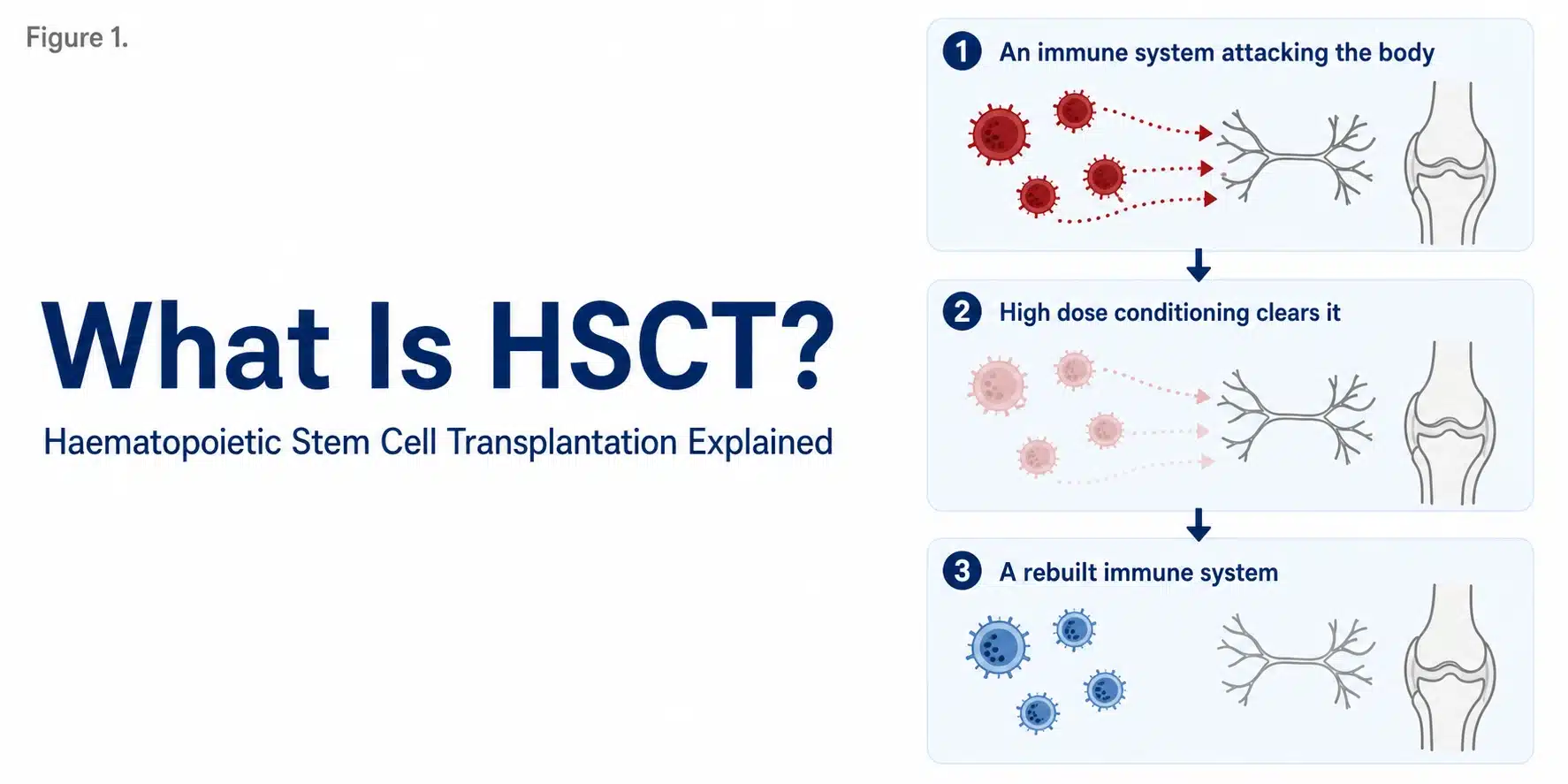
HSCT stands for haematopoietic stem cell transplantation. It is a one time treatment that clears the immune system that has been attacking a person’s own body, then rebuilds a new one from that person’s own blood forming stem cells. In autoimmune disease the aim is to stop the attack itself rather than to suppress it month after month with medication.
HSCT Hospital India, a JCI-USA accredited world class facility, pioneered HSCT for multiple sclerosis treatment in India in 2016, and today offers the world’s best and most affordable HSCT for MS and other autoimmune diseases. The transplant performed here is autologous, which means the stem cells come from the patient and no donor is ever needed. The complete treatment is done in hospital across a single 30 day stay, in an unmatched all inclusive package of 30,000 US dollars, and a large number of patients from Europe, America and Australia have already been treated successfully. An HSCT case manager reads every enquiry personally and a multidisciplinary team of medical experts gives a free expert opinion on whether HSCT is suitable, at no cost and with no obligation.
Quick Answers on This Page
- What HSCT stands for, and what the words mean
- What HSCT does that immune suppressing drugs do not
- The four stages of an autologous transplant
- Autologous and allogeneic transplants compared
- Conditioning intensity: non myeloablative, reduced intensity and myeloablative
- Why HSCT is different from stem cell therapy injections
- Which conditions HSCT is used for
- What the published evidence shows
- What the treatment was like, in patients’ own words
- The 30 day programme in India, day by day
- Who is a candidate for HSCT
- Safety, and the screening that manages each risk
- Recovery and immune rebuilding over the first year
- What HSCT costs
- Frequently asked questions about HSCT
What Does HSCT Stand For?
HSCT stands for haematopoietic stem cell transplantation. The American spelling is hematopoietic stem cell transplantation. Both refer to the same procedure.
Each part of the name describes something specific.
Haematopoietic means blood forming. Haematopoietic stem cells are the cells in the bone marrow that produce every red blood cell, every platelet and every white cell of the immune system. They are identified in the laboratory by a surface marker called CD34, which is why the collected graft is measured in CD34-positive cells.
Stem cell here means a blood forming stem cell, not the cells used in cosmetic or orthopaedic stem cell injections. The two are separate treatments with separate cells, and the differences are set out in full further down.
Transplantation describes the return of those cells to the bloodstream after high dose chemotherapy. In an autologous transplant the cells being returned belonged to the patient in the first place, collected and stored a few days earlier.
Other names appear in medical letters and in research papers. AHSCT and aHSCT usually mean autologous haematopoietic stem cell transplantation. HSCT and HCT are used interchangeably by many haematology units. Bone marrow transplant is an older term that survives in everyday speech, from the years when the cells were drawn directly from the marrow rather than collected from the bloodstream.
What HSCT Does That Immune Suppressing Drugs Do Not
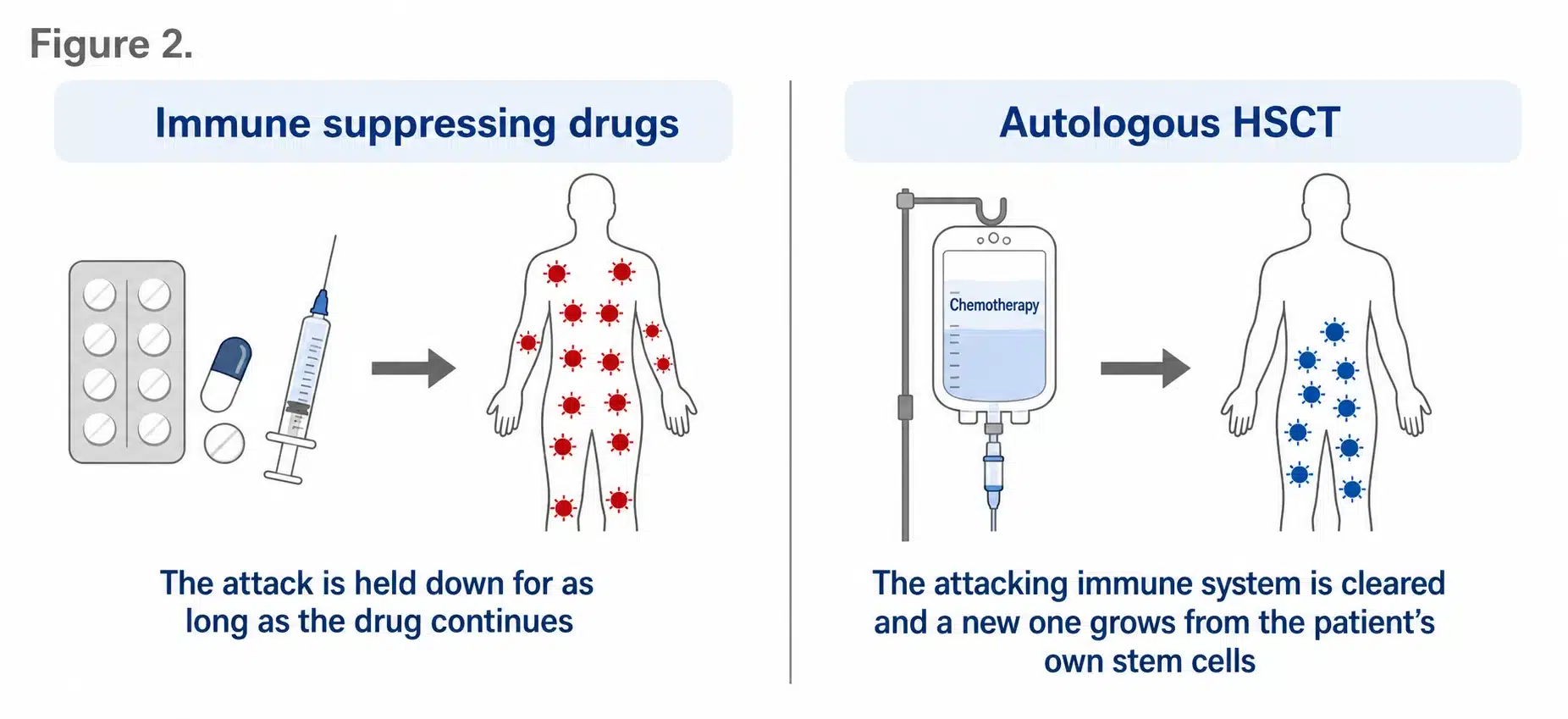
Figure 2. Drugs hold the attack down for as long as they continue. HSCT clears the immune system doing the attacking and lets a new one grow in its place.
An autoimmune disease is a case of mistaken identity inside the immune system. Cells whose job is to recognise infection begin recognising the body’s own tissue instead. In multiple sclerosis they attack the coating around nerve fibres in the brain and spinal cord. In systemic sclerosis they drive the overproduction of collagen that thickens skin and organs. In CIDP they attack the peripheral nerves. The target differs. The underlying fault is the same.
Every standard treatment for these conditions works by holding that attack down. Disease modifying drugs, biologics, steroids and immune suppressants all reduce the activity of the immune system for as long as the patient keeps taking them. Many of them work well. None of them removes the cells that started the attack, so treatment continues indefinitely, and each drug carries its own long term burden.
Autologous HSCT takes a different route. High dose chemotherapy clears the mature immune cells carrying the fault, including the ones circulating in the central nervous system. The patient’s own stored stem cells are then returned, and a new immune system grows from them. There is published evidence that this is a rebuild rather than a long suppression. In an analysis of the T cell repertoire before and after transplant, the dominant CD4-positive cell populations present beforehand were undetectable afterwards, and patients largely developed a new CD4-positive repertoire. The CD8-positive compartment behaved differently in the same study, rebuilding by expansion of cells that were already there (Muraro and colleagues, Journal of Clinical Investigation, 2014). In a separate study more than 90 per cent of the T cell populations previously found in the cerebrospinal fluid were removed and replaced (Harris and colleagues, JCI Insight, 2020).
That is the mechanism in one sentence. The immune system that was attacking the body is cleared, and the one that grows in its place does not carry the same instruction.
The Four Stages of an Autologous Transplant
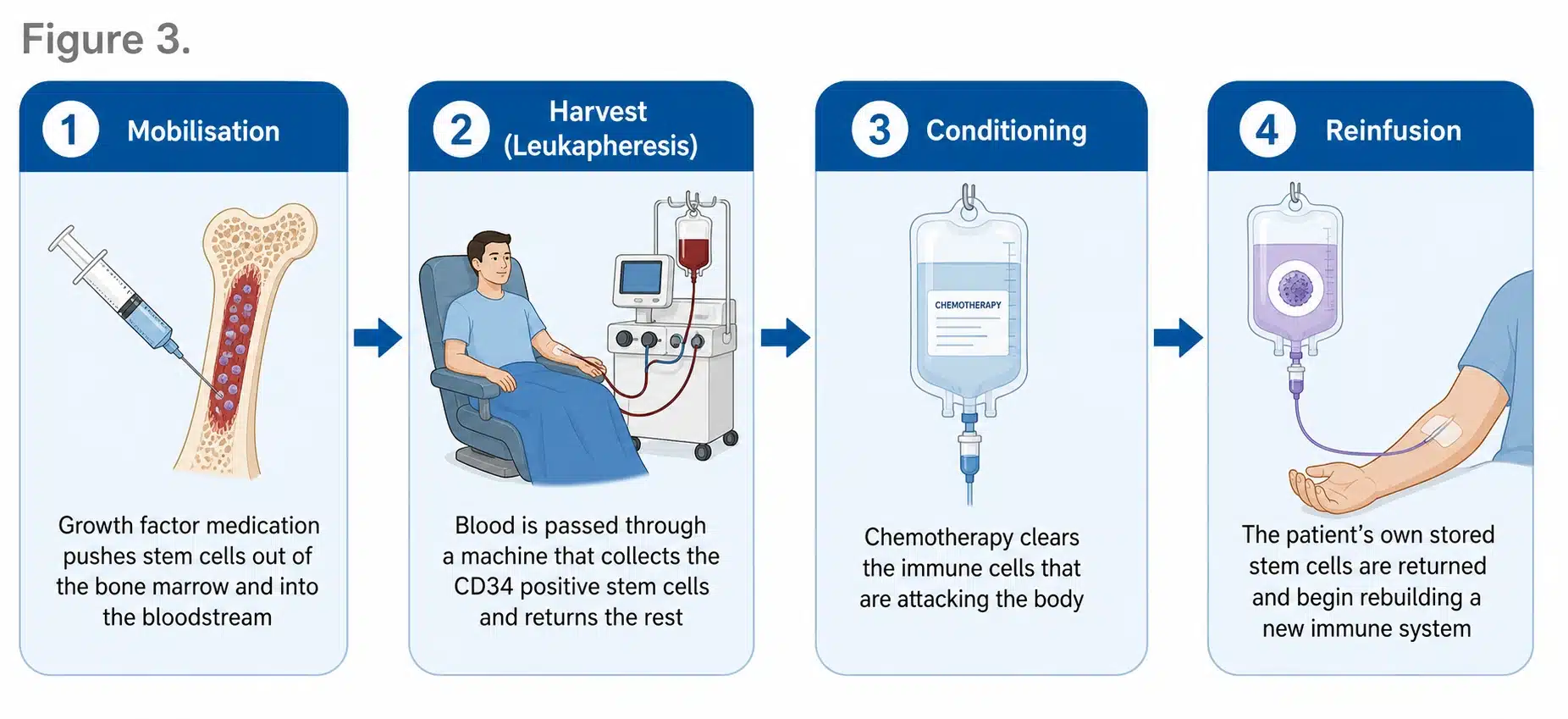
Figure 3. The cells are collected and stored before any chemotherapy is given, which is why they are safe to return afterwards.
An autologous HSCT has four stages, in this order.
Stage 1. Mobilisation
Haematopoietic stem cells normally live inside the bone marrow. Growth factor medication, usually with a dose of chemotherapy, pushes them out of the marrow and into the circulating blood so that they can be collected. This takes several days and is done as an outpatient or on the ward.
Stage 2. Harvest, also called leukapheresis
The patient sits beside an apheresis machine while blood is drawn from one arm, passed through the machine, and returned to the other. The machine separates out the CD34-positive stem cells and returns everything else. Nothing is removed surgically and no anaesthetic is involved. The collected cells are counted, frozen and stored. European guidance sets a minimum dose of 2.0 x 10^6 CD34-positive cells per kilogram of body weight, with 5 x 10^6 per kilogram a practical target (Sharrack and colleagues, EBMT Autoimmune Diseases Working Party and JACIE guidelines, Bone Marrow Transplantation, 2020).
Stage 3. Conditioning
With the graft safely stored, chemotherapy is given to clear the immune cells that have been attacking the body. This is the part of the treatment that does the therapeutic work, and it is the reason the stay is an inpatient one. Blood counts fall during this period and the patient is nursed in a protected environment while they do.
Stage 4. Reinfusion
The stored cells are thawed and returned through a drip. The infusion itself is short and uneventful for most patients. Those cells travel back to the bone marrow, settle, and begin producing new blood and immune cells. The point at which the new cells appear in the bloodstream in sufficient numbers is called engraftment, and it typically occurs around 10 to 11 days after reinfusion (Greco and colleagues, EBMT registry analysis of 1,114 patients, Bone Marrow Transplantation, 2025).
Autologous and Allogeneic Transplants Compared
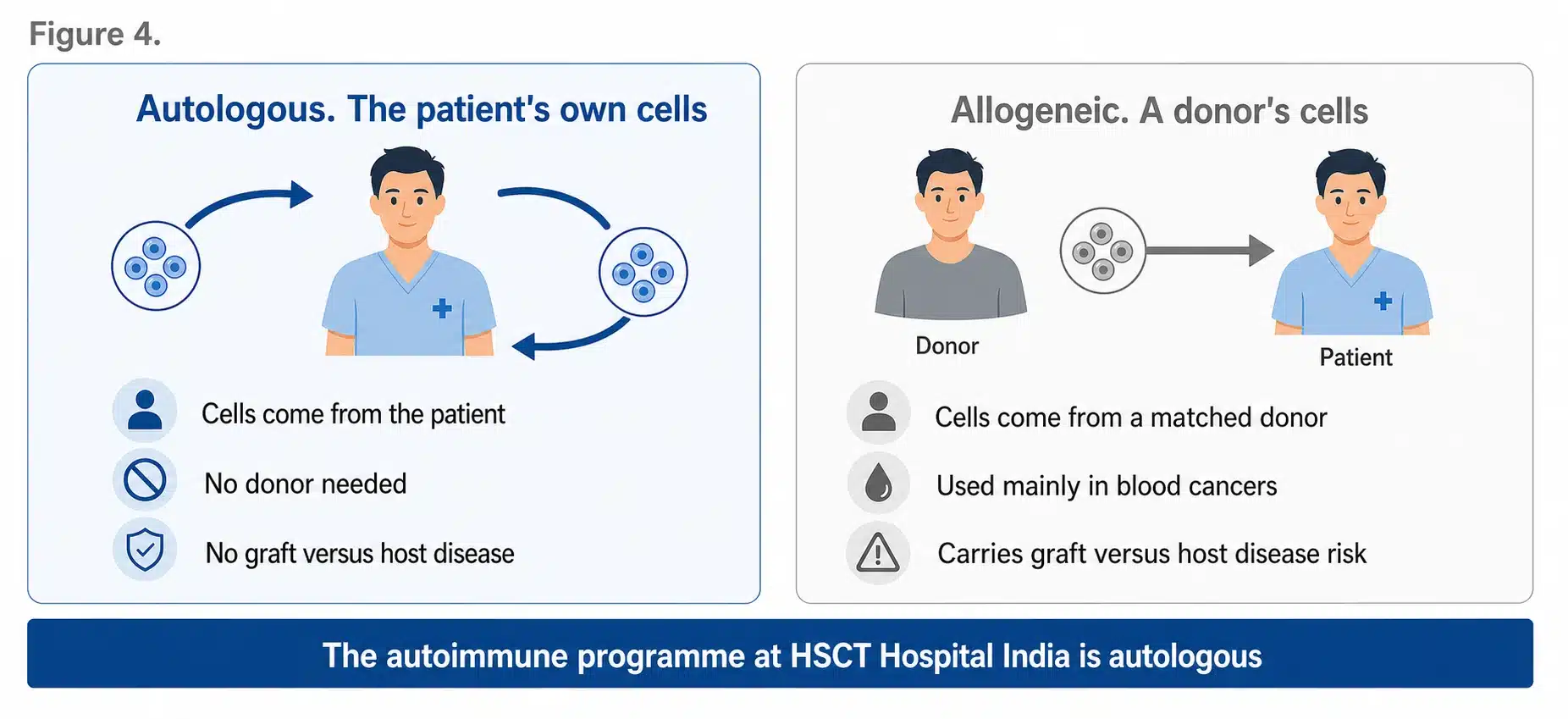
Figure 4. Safety figures found online often describe donor transplants given for blood cancer. This is a different procedure with a different risk profile.
Two kinds of haematopoietic stem cell transplant exist, and they carry very different risk profiles.
An autologous transplant uses the patient’s own cells. No donor is required, no tissue matching is needed, and because the returned cells are the patient’s own there is no graft versus host disease, the complication in which donor immune cells attack the recipient. This is the procedure used for autoimmune disease worldwide, and it is the procedure performed at HSCT Hospital India.
An allogeneic transplant uses cells from a matched donor. It is used mainly in leukaemia, lymphoma and other blood cancers, where the donor immune system attacking residual cancer cells is part of the therapeutic effect. It carries the risk of graft versus host disease and requires long term immune suppression afterwards.
| Autologous HSCT | Allogeneic HSCT | |
|---|---|---|
| Source of stem cells | The patient’s own | A matched donor |
| Tissue matching needed | No | Yes |
| Graft versus host disease | Does not occur | A recognised risk |
| Immune suppression afterwards | Not required | Required long term |
| Mainly used for | Autoimmune disease | Leukaemia, lymphoma and other blood cancers |
| Used at HSCT Hospital India | Yes | No |
Safety figures for the two procedures are therefore not interchangeable. Anyone comparing published numbers should check whether the study population was autoimmune or oncological, and whether the transplant was autologous or allogeneic. The figures given further down are drawn from autoimmune registries and from autologous transplants only.
Conditioning Intensity: Three Levels, and What They Mean
Conditioning is the chemotherapy given between harvest and reinfusion. It comes in three intensities, and the words appear constantly in research papers without ever being explained to patients. Chemotherapy for MS: what HSCT does to the immune system sets out what each regimen involves, what the immune system does afterwards, and how the risk has changed.
Non myeloablative conditioning is the gentlest of the three. The bone marrow is not fully cleared, and the patient’s blood counts recover more quickly. Cyclophosphamide combined with anti thymocyte globulin is the common example, and it is the regimen used in the majority of autoimmune transplants performed today.
Reduced intensity conditioning sits in the middle, used to balance the strength of the immune reset against the effect on the body.
Myeloablative conditioning clears the bone marrow, so recovery depends entirely on the returned graft. BEAM combined with anti thymocyte globulin sits in this tier. The most intensive regimens of all, using total body irradiation or busulfan, sit above it and are rarely used in autoimmune disease (Sharrack and colleagues, Bone Marrow Transplantation, 2020).
| Intensity | Effect on the bone marrow | Typical regimen | Where it is used |
|---|---|---|---|
| Non myeloablative | Not fully cleared, counts recover faster | Cyclophosphamide with anti thymocyte globulin | Most autoimmune transplants today, and the protocol used at HSCT Hospital India |
| Reduced intensity | Between the two | Varies by centre | Balances the immune reset against the effect on the body |
| Myeloablative | Cleared, recovery depends on the graft | BEAM with anti thymocyte globulin | Selected cases |
| Most intensive | Cleared | Total body irradiation or busulfan | Rarely used in autoimmune disease |
Whether one regimen outperforms another has been tested directly. In an EBMT registry analysis of 1,114 multiple sclerosis patients, failure of no evidence of disease activity at five years was 42.3 per cent with BEAM and anti thymocyte globulin, and 44.1 per cent with cyclophosphamide and anti thymocyte globulin, a difference that did not reach significance. The type of disease, relapsing or progressive, remained the major determinant of outcome (Greco and colleagues, EBMT conditioning registry analysis, Bone Marrow Transplantation, 2025).
HSCT Hospital India uses the non myeloablative protocol developed by Professor Richard K. Burt at Northwestern University. The conditioning spares the bone marrow rather than destroying it, which is the reason blood counts recover inside the 30 day stay and no further chemotherapy is needed afterwards. Cyclophosphamide with anti thymocyte globulin is the regimen used in the majority of autoimmune transplants performed worldwide today, accounting for around 60 per cent of the 1,114 transplants in the EBMT analysis above (Greco and colleagues, EBMT conditioning registry analysis, Bone Marrow Transplantation, 2025).
HSCT and Stem Cell Therapy Injections Are Not the Same Treatment
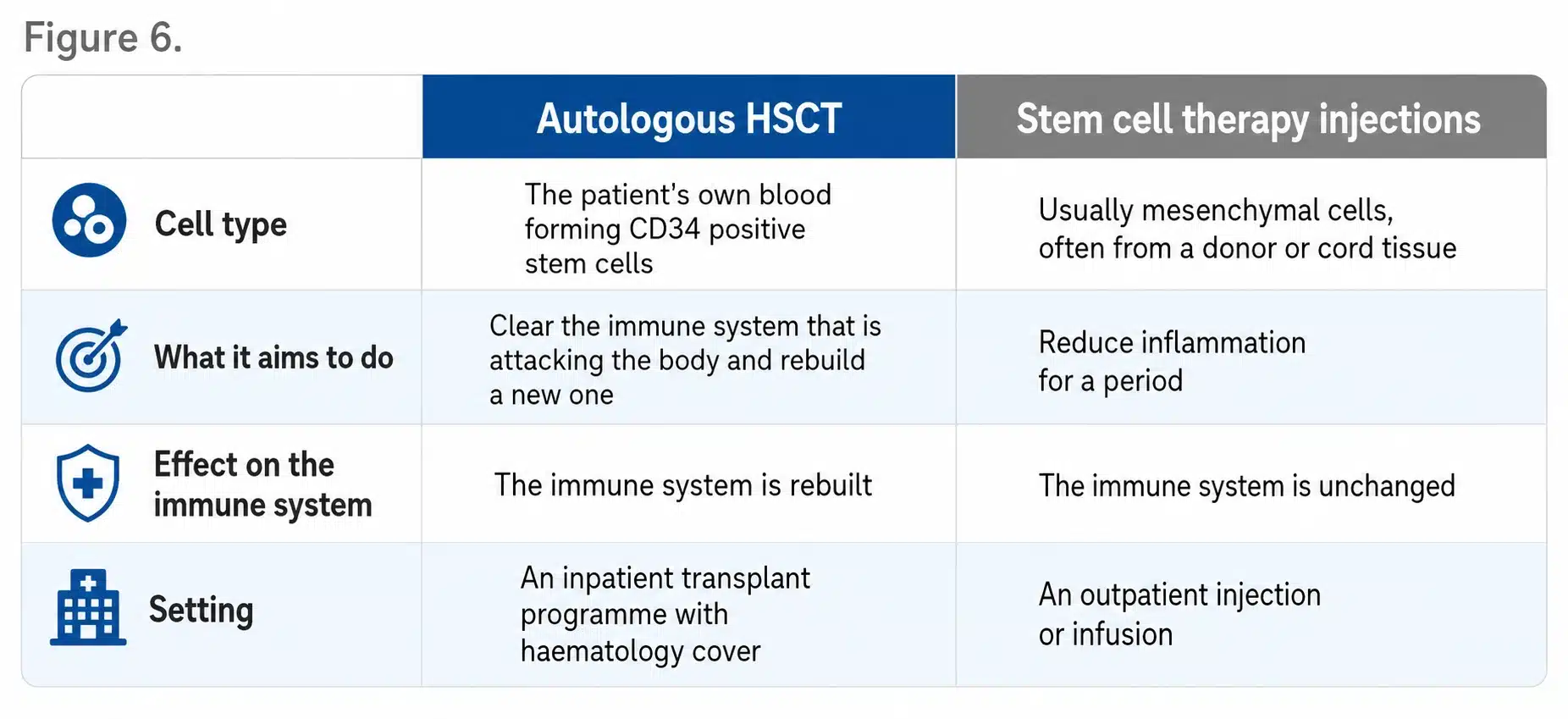
Figure 6. One rebuilds an immune system. The other does not, because mesenchymal cells are not the cells that make one.
Both phrases contain the words stem cell. The treatments behind them differ in cell type, in aim, in effect and in setting.
The cells used in autologous HSCT are haematopoietic, blood forming, and identified by the CD34 marker. Their purpose is to rebuild a blood and immune system after conditioning.
The cells used in most treatments marketed as stem cell therapy are mesenchymal cells, drawn from bone marrow, fat or umbilical cord tissue. Their defining laboratory criteria, set by the International Society for Cellular Therapy, specifically require the absence of CD34, and their proven differentiation potential is into bone, fat and cartilage rather than blood or immune cells (Dominici and colleagues, Cytotherapy, 2006). The same body later recommended that these cells be called mesenchymal stromal cells rather than stem cells unless stemness has been rigorously demonstrated (Viswanathan and colleagues, Cytotherapy, 2019).
The practical consequence is that mesenchymal cell treatments act as immune modulators. They can reduce inflammation for a period. They do not clear or rebuild an immune system, because they are not the cells that make one. When mesenchymal cells were tested against placebo in multiple sclerosis in a randomised double blind trial across 144 patients at 15 sites in 9 countries, they did not meet the primary endpoint of reducing active brain lesions (Uccelli and colleagues, MESEMS trial, Lancet Neurology, 2021).
Anyone comparing options between clinics can settle the question with three questions to the provider: which cells are being given, whether the immune system is being rebuilt or modulated, and whether the treatment is an inpatient transplant programme with haematology cover or an outpatient injection.
Where HSCT Came From, and What Else It Treats
Hematopoietic stem cell transplantation is not a new idea. The work that made it possible was led by E. Donnall Thomas, who was awarded the Nobel Prize in Physiology or Medicine in 1990 for showing that a person’s blood and immune system could be rebuilt from transplanted stem cells. The procedure has been performed worldwide ever since, and more than a million transplants have now been carried out across all indications.
Most of those transplants were for blood disorders rather than autoimmune disease. Hematopoietic stem cell transplantation is standard treatment in leukaemia, lymphoma and myeloma, and in inherited blood and immune conditions such as aplastic anaemia, thalassaemia, sickle cell disease and severe combined immunodeficiency. In those diseases the transplant is usually allogeneic, using cells from a matched donor, because the donor immune system recognising and clearing residual disease is part of how the treatment works.
The stem cells themselves can be collected from three places. Bone marrow was the original source and gave the procedure its older name. Peripheral blood, collected by leukapheresis after mobilisation, is the source used in almost all autoimmune transplants today and is what HSCT Hospital India uses. Umbilical cord blood is a third source, used mainly in children and in allogeneic transplants where no matched adult donor is available.
The autoimmune programme at HSCT Hospital India is autologous hematopoietic stem cell transplantation using the patient’s own peripheral blood stem cells. The sections below deal with that programme.
Which Conditions HSCT Is Used For
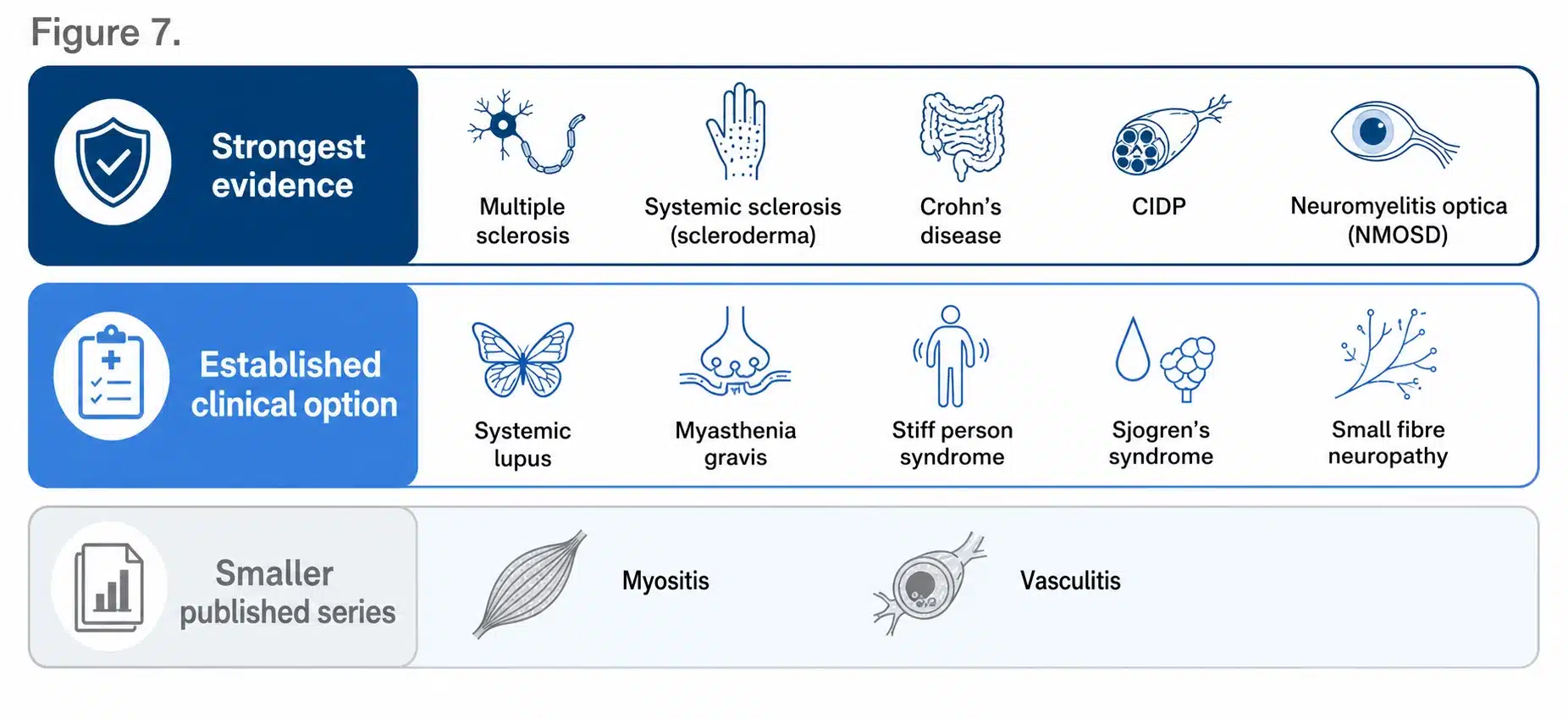
Figure 7. Multiple sclerosis and systemic sclerosis are the two standard indications. The rest are assessed case by case.
The European Society for Blood and Marrow Transplantation publishes indications for autologous transplant in autoimmune disease and updates them periodically, and German national recommendations adopt those criteria directly. In the 2025 recommendations, agreed by the EBMT Board and Scientific Council, highly active relapsing remitting multiple sclerosis failing disease modifying therapy and systemic sclerosis are both graded as standard indications. Systemic lupus erythematosus, Crohn’s disease, neuromyelitis optica, CIDP, myasthenia gravis, stiff person syndrome, myositis, vasculitis and autoimmune cytopenias are graded as clinical options, meaning the transplant is carried out after careful assessment of risks and benefits in the individual case (Greco and colleagues, EBMT practice recommendations, Bone Marrow Transplantation, 2025).
HSCT Hospital India treats patients across this range. Each condition has its own guide, setting out the evidence for that condition specifically, the symptoms and the treatment pathway. Where the published experience is smaller, the guide says so.
- HSCT for multiple sclerosis
- HSCT for scleroderma and systemic sclerosis
- HSCT for CIDP
- HSCT for Crohn’s disease
- HSCT for NMOSD
- HSCT for systemic lupus
- HSCT for myasthenia gravis
- HSCT for stiff person syndrome
- HSCT for Sjogren’s syndrome
- HSCT for small fibre neuropathy
- HSCT for myositis
- HSCT across autoimmune diseases, and how the evidence is graded
What the Published Evidence Shows
The strength of the evidence varies by condition, and the honest picture is set out here rather than averaged into a single claim.
Multiple sclerosis
Multiple sclerosis carries the largest evidence base. The MIST randomised trial (Burt and colleagues, JAMA, 2019) enrolled 110 patients with relapsing remitting multiple sclerosis who had continued to relapse on disease modifying therapy, randomising them to transplant or to continued medication. Disease progression occurred in 3 of 55 transplanted patients and in 34 of 55 who stayed on medication (Burt and colleagues, JAMA, 2019). Average disability scores fell in the transplant group and rose in the medication group, and there were no deaths. The trial’s own authors describe it as preliminary, with a median follow up of two years.
Across pooled data the proportion of patients with no evidence of disease activity is about 83 in 100 at two years and about 67 in 100 at five years (Sormani and colleagues, meta analysis of 15 studies and 764 patients, Neurology, 2017). A larger national cohort of 364 patients treated in the United Kingdom between 2002 and 2023 reported a lower real world figure, 72.3 per cent at two years and 46.2 per cent at five years. That group included 38 per cent progressive patients with a median disability score of 6.0 at the outset (Muraro and colleagues, Journal of Neurology, Neurosurgery and Psychiatry, 2026). The difference between those two figures is explained by who was treated, and it is the reason patient selection is discussed before any transplant is agreed.
Systemic sclerosis
Three randomised trials have been completed. In SCOT, event free survival at 72 months was 74 per cent after transplant against 47 per cent with monthly cyclophosphamide, and overall survival was 86 per cent against 51 per cent (Sullivan and colleagues, New England Journal of Medicine, 2018). In ASTIS, 156 patients across 29 centres showed a long term event free survival benefit (van Laar and colleagues, JAMA, 2014). In ASSIST, all 10 transplanted patients improved at 12 months while 8 of 9 controls progressed (Burt and colleagues, Lancet, 2011).
CIDP
In the largest published series, 60 analysed patients had a mean follow up of 4.5 years (Burt and colleagues, Journal of Neurology, 2020). Between 76 and 83 per cent were in remission and free of immune medication at each year from one to five, and independent walking rose from 33 per cent before transplant to above 80 per cent afterwards (Burt and colleagues, Journal of Neurology, 2020). Nerve conduction velocity improved from a mean of 27.2 to 38.3 metres per second, and there were no treatment related deaths. No randomised trial has yet been run in CIDP.
Neuromyelitis optica, myasthenia gravis, lupus and stiff person syndrome
Each of these is supported by smaller series rather than randomised trials, and the results vary more between studies. In NMOSD, a prospective series of 13 patients reported 80 per cent relapse free and off all immune suppression beyond five years, with antibody status the strongest predictor (Burt and colleagues, Neurology, 2019). Pooled data across nine studies gives a lower relapse free figure of 53 per cent (Nabizadeh and colleagues, Journal of Clinical Neuroscience, 2022). In myasthenia gravis, 16 of 18 evaluable patients in the largest series reached stable remission or minimal symptoms without treatment, sustained over a median follow up of 6.7 years. That same series of 21 patients reported treatment related mortality of 9.5 per cent at 100 days, the highest figure across autoimmune transplant, in patients who were medically complex before they were treated (Beland and colleagues, Annals of Clinical and Translational Neurology, 2025). Cardiac, respiratory and swallowing function are assessed in detail before any myasthenia gravis patient is accepted, and that assessment is what the figure argues for. In systemic lupus, 50 patients treated in a single centre had five year survival of 84 per cent, with disease free survival at five years of 50 per cent (Burt and colleagues, JAMA, 2006). In stiff person syndrome, 74 per cent of 23 participants in a prospective trial responded and 47 per cent remained in remission for a mean of 3.5 years, with response strongly linked to specific clinical and antibody features present before treatment (Burt and colleagues, Neurology, 2021).
These are the figures the HSCT specialists work from when a case is assessed. Where a condition has smaller published series, the assessment is correspondingly more detailed, and features known to predict response are examined before a transplant is agreed. The free expert opinion exists to answer that question for one specific person rather than for a category.
Three Patients on What HSCT Was Really Like
Trial figures describe what happened to hundreds of people. They cannot tell anyone what the month itself feels like, or what the first morning after the transplant is like. Three patients treated at HSCT Hospital India recorded that part themselves, on camera, in their own words.
Gudrun R came from the United Kingdom. She was diagnosed with relapsing remitting multiple sclerosis in October 2007 and lived with it for more than a decade before she looked into HSCT. She arrived in Delhi using a rollator, able to stand for two or three minutes before she had to rest. She left walking with a stick, and covering short distances with no stick at all. Her husband was beside her for the full five weeks. Asked what the treatment itself had actually been like, this is what she said.
“What my expectations were, from what my neurologist had told me, were quite different to what actually happened. No pain. Absolutely no pain whatsoever.”
“Every single day after the stem cell transplant I have achieved one thing. One thing every day.”
Gudrun R describes her HSCT treatment at HSCT Hospital India.
Evert came from Canada. Myasthenia gravis had left him with a drooping eyelid, weakness in both hands and in his left calf, and difficulty breathing. He spent a month at the hospital with his cousin beside him. His eyes were the first thing to respond, and they began responding while he was still in the middle of the conditioning chemotherapy, at the point he expected to feel at his worst.
“After going through even the beginning stages of chemo my eyes responded very quickly, even though I was feeling very horrible at the time. My eyes started to respond. Since that time I’ve improved dramatically.”
“My breathing has responded very well. I have no problem breathing anymore. I need no oxygen.”
Evert describes his myasthenia gravis recovery after HSCT at HSCT Hospital India.
Linda came from the Netherlands. She was diagnosed with multiple sclerosis in 2007, at 24. By the time she flew to Delhi she was 36, walking with a crutch or using a wheelchair, and the hundred metre walk to her local supermarket had become too far. Her closest friend came with her and stayed the five weeks. She calls 2 April, the day her own stem cells were given back to her, her second birthday. She noticed a change in her walking and in how her knee bent before she had even left the hospital.
“The nurses who stood by me when I had to throw up would put their hands over my back and they would stay with me, and let me really feel that I would not be alone.”
“It felt like I could be in charge of my own life again, do something, instead of just overcoming the MS.”
Linda describes her HSCT treatment and the nursing care at HSCT Hospital India.
No two patients arrive with the same disease, and no two leave with the same result, so none of these accounts is a forecast for anyone else. What they carry is the part of HSCT that no research paper reaches: what a month in Delhi is actually like, described by the people who spent it there. Whether it is the right treatment for one particular person is answered case by case by the HSCT specialists, free of charge and with no obligation.
The 30 Day Programme in India, Day by Day
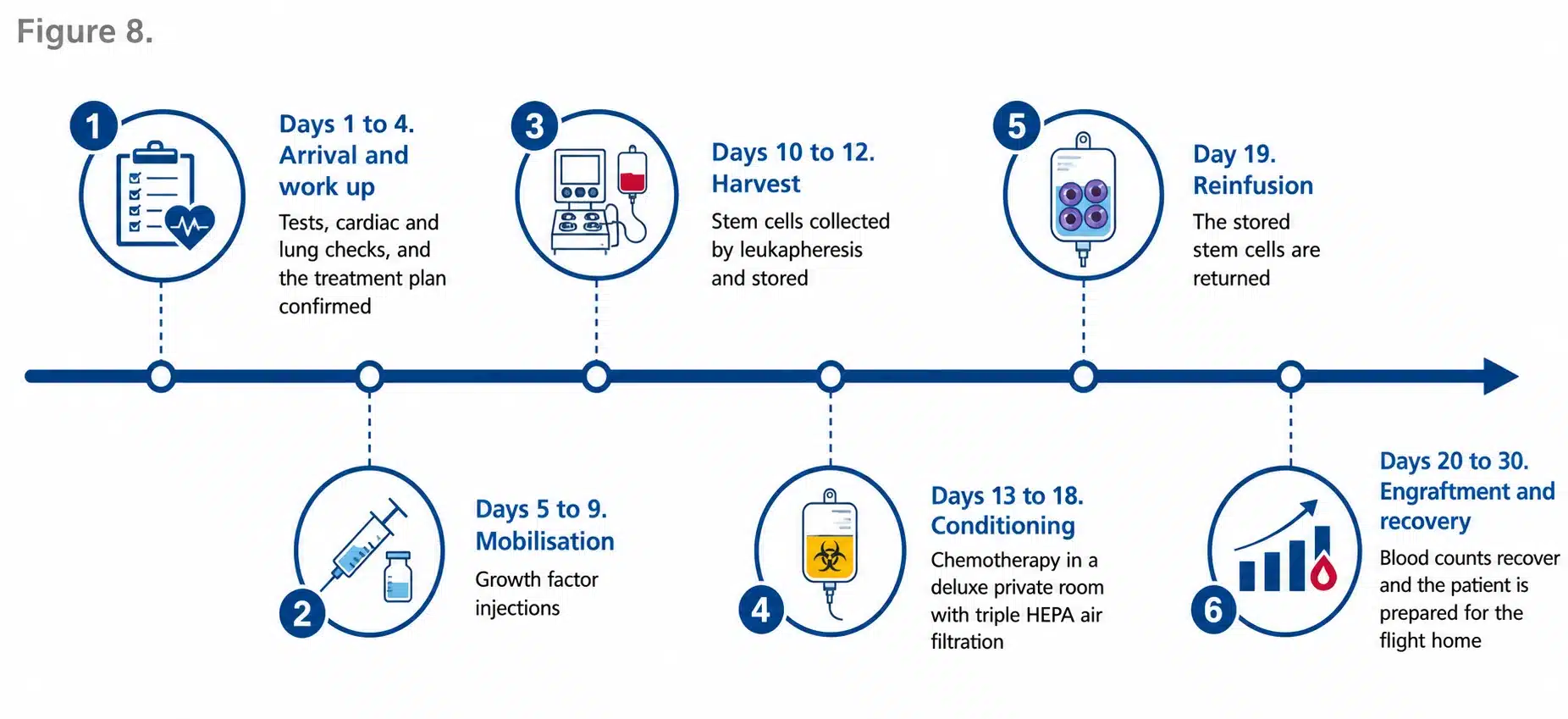
Figure 8. One continuous stay, from arrival and work up through to the flight home.
Treatment at HSCT Hospital India is carried out as one continuous 30 day stay in hospital, in a deluxe private room with triple level HEPA air filtration and 24 hour nursing care. There is no long waiting list, no outside hospital stay, and no need to come back for a second admission, and the non myeloablative protocol used here means no further chemotherapy is required once the patient goes home. One attendant stays in the same room throughout, and the package covers their food and laundry as well as the patient’s.
The day numbers below describe the usual shape of that month. They shift a little from one patient to the next, because mobilisation and blood count recovery run to their own pace, and the medical team follows the patient rather than the calendar.
Days 1 to 4. Arrival and work up. Baseline tests, cardiac and pulmonary assessment, and confirmation of the treatment plan by the haematology specialists.
Days 5 to 9. Mobilisation. Growth factor medication moves the stem cells from the bone marrow into the bloodstream.
Days 10 to 12. Harvest. Stem cells are collected by leukapheresis, counted and frozen.
Days 13 to 18. Conditioning. Chemotherapy is given in a deluxe private room with triple level HEPA air filtration.
Day 19. Reinfusion. The stored stem cells are returned.
Days 20 to 30. Engraftment and recovery. Blood counts recover, the patient is monitored daily, and preparation is made for the flight home.
One attendant stays with the patient throughout, in the same private room. Accommodation for that attendant is part of the package.
Who Is a Candidate for HSCT?
Suitability is decided case by case, on the diagnosis, the pattern of disease activity, the organs involved and the patient’s general fitness. The factors that carry the most weight across the published literature are these.
Evidence of active inflammatory disease. Across conditions, patients whose disease is currently active respond better than those whose disability has accumulated without ongoing inflammation. In multiple sclerosis this is the single strongest predictor in the registry data.
Disease that has not responded adequately to standard treatment. Most transplanted patients have already tried several lines of therapy.
Fitness of the heart, lungs, liver and kidneys. These are assessed before a patient is accepted, and this assessment is where a good deal of the safety of the procedure comes from.
Age and duration of disease. Younger patients and those earlier in the course of their disease have better outcomes in registry analyses, although neither is treated as a fixed cut off.
Two working figures are used at assessment. EBMT’s own guidance frames autoimmune transplant around an age range of roughly 18 to 65 (Sharrack and colleagues, Bone Marrow Transplantation, 2020), and in multiple sclerosis a disability score at or below about 6.5 on the EDSS scale is the usual working range. Neither is a hard cut off, and both are read alongside organ reserve and evidence of current inflammatory activity rather than on their own.
These thresholds are set out in the published transplant literature, and they are not the same in every health system. The page on the criteria used to decide HSCT eligibility records the disease duration limits, the imaging activity required, and the points on which the European, German and United Kingdom criteria differ from one another.
A patient who does not meet these criteria is told so, with the reasons, and where a different route exists it is named. Assessment costs nothing and carries no obligation. Records, scans and recent test results are reviewed by an HSCT case manager and the answer comes back personally.
Safety, and the Screening That Manages Each Risk
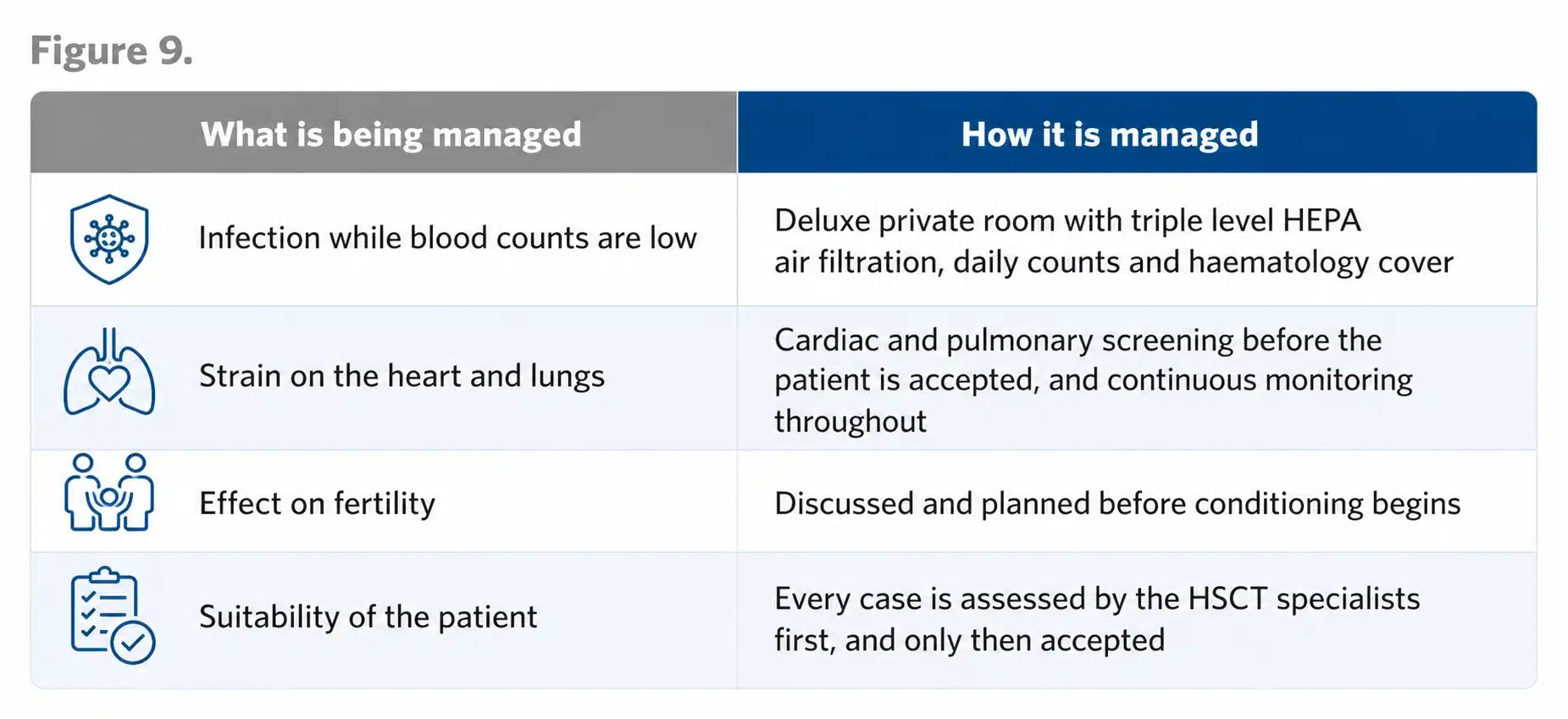
Figure 9. Every item on the left has a named step on the right that manages it.
Autologous HSCT is a serious medical procedure with a known safety profile, and every element of that profile has a corresponding step in how patients are selected and cared for.
Infection while blood counts are low. Between conditioning and engraftment the immune system is at its weakest. Patients are nursed in a deluxe private room with triple level HEPA air filtration, blood counts are checked daily, and haematology cover is continuous. Antimicrobial and antiviral prophylaxis follows international protocol, and European guidance recommends antifungal cover for three months and antiviral and pneumocystis cover for at least six (Sharrack and colleagues, Bone Marrow Transplantation, 2020).
Strain on the heart and lungs. Conditioning chemotherapy places demands on cardiac and pulmonary function. Both are formally assessed before a patient is accepted, and monitored throughout the stay. Cardiac involvement is part of systemic sclerosis itself. Improved cardiac screening, conditioning that limits the cyclophosphamide dose, and careful fluid management are the changes credited with reducing treatment related mortality in that condition from around 10 per cent in the earliest trial to between 2.4 and 6 per cent in later studies (Alexander and colleagues, EBMT best practice recommendations, Bone Marrow Transplantation, 2025).
Effect on fertility. Conditioning chemotherapy can affect fertility. This is discussed and planned before conditioning begins, so that any preservation options are addressed in advance rather than afterwards.
Suitability of the patient. The largest determinants of safety are who is treated and where. Across 1,951 transplants for autoimmune disease in 247 centres in 40 countries between 1994 and 2015, outcomes improved significantly over time. Better progression free survival was independently associated with three things: centre experience of 23 or more autoimmune transplants, six or more years since a centre’s first autoimmune transplant, and JACIE accreditation status (Snowden and colleagues, Blood Advances, 2017). Pooled treatment related mortality in multiple sclerosis is 2.1 per cent, and it was significantly higher in older studies, in studies with fewer relapsing patients and in those with higher baseline disability (Sormani and colleagues, Neurology, 2017). In a modern national cohort of 364 patients the figure was 1.4 per cent (Kazmi and colleagues, British Journal of Haematology, 2025).
Longer term follow up is also published. One EBMT survey followed 579 patients for a median of just over seven years. Ten year non relapse mortality was 5.0 per cent and overall survival 83.5 per cent, and secondary autoimmune conditions occurred in about 10 in 100 patients over that period and are watched for in follow up (Kirgizov and colleagues, Bone Marrow Transplantation, 2026). Patients treated at HSCT Hospital India remain in contact with the hospital afterwards, which is what makes that monitoring possible.
Recovery and Immune Rebuilding Over the First Year
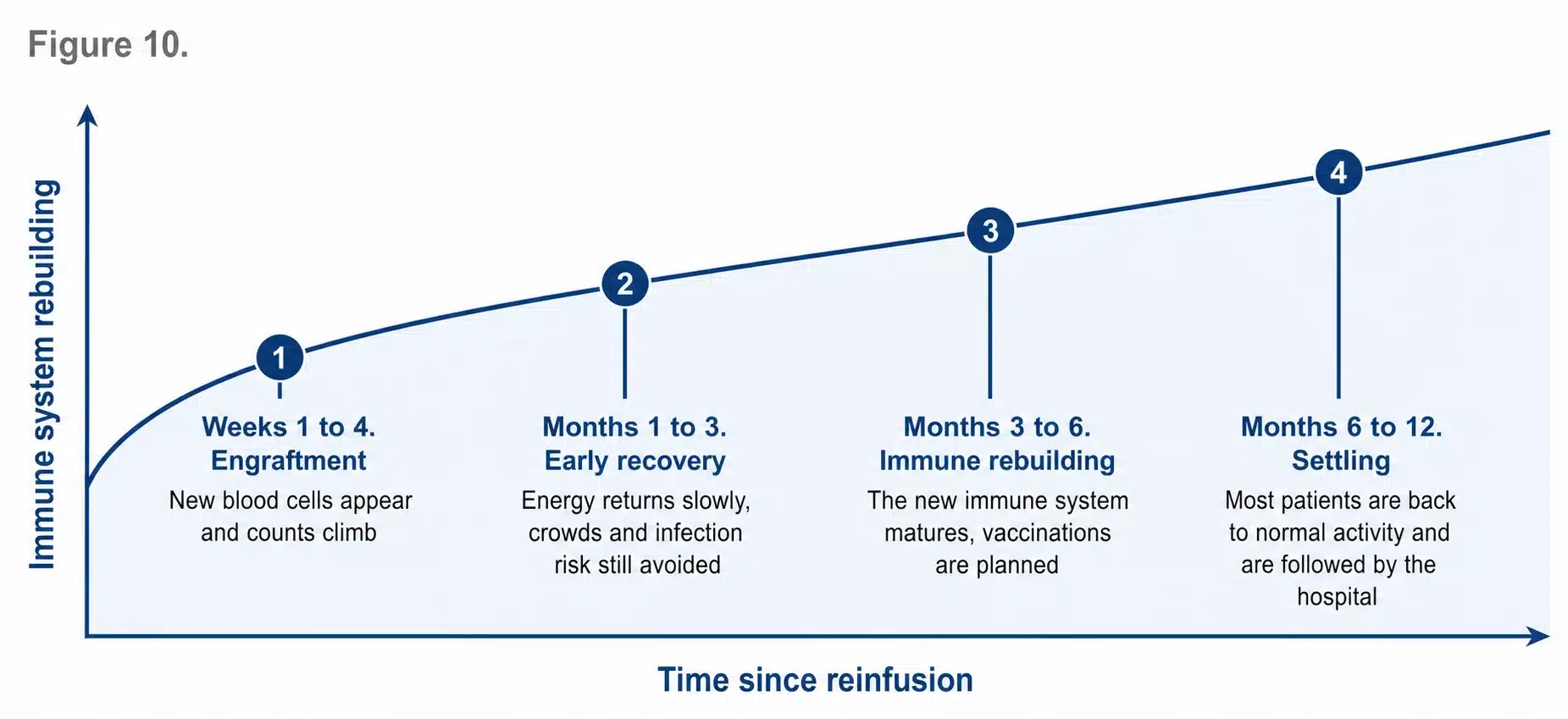
Figure 10. Neutrophils return first, the new immune system matures over months, and most patients are back to normal activity inside a year.
Recovery after an autologous transplant follows a documented pattern.
Weeks 1 to 4. Neutrophils, the first line of the innate immune system, are the first to return, generally within the first two weeks. Engraftment is confirmed on the blood count.
Months 1 to 3. Energy returns gradually. Crowds and known infection risks are still avoided, and prophylactic medication continues. Essential inactivated vaccinations begin from three months (Cordonnier and colleagues, ECIL 7 guidelines, Lancet Infectious Diseases, 2019).
Months 3 to 6. The new immune system matures. T cell numbers recover at around six months, with the balance between subsets returning towards normal by one year (Cencioni and colleagues, review for the EBMT Autoimmune Diseases Working Party, Frontiers in Immunology, 2021). Naive B cell numbers recover within the first year (Alexander and colleagues, Blood, 2009).
Months 6 to 12. Most patients are back to normal activity. The thymus, which produces new T cells, becomes measurably active again beyond the first year, and in one study the number of newly produced T cells had doubled against healthy controls by three years (Alexander and colleagues, Blood, 2009). Vaccination continues on schedule, with live vaccines reconsidered at 24 months in patients off immune suppression.
Response to vaccination is lower than normal during the first months and approaches normal two to three years after the procedure. Follow up with the hospital continues throughout.
What HSCT Costs
HSCT Hospital India charges one all inclusive price of 30,000 US dollars. That price covers the full 30 day inpatient stay, all doctors fees, consultations and tests, mobilisation, harvest, conditioning, reinfusion, the deluxe private room with triple level HEPA air filtration, daily monitoring, medication during the stay, physiotherapy, food and laundry for the patient and one attendant, airport transfers, visa support letters, and accommodation for that attendant.
Three things sit outside the price: international flights, the visa fee itself, and any complication that extends the stay beyond the 30 days. Naming those three is more useful than the phrase all inclusive on its own.
The same procedure is priced very differently elsewhere, and what is included differs as well. A full comparison of India, Mexico, Russia and the United States, with what each price covers, is set out in the HSCT cost by country guide.
Frequently Asked Questions About HSCT
What is HSCT?
HSCT is haematopoietic stem cell transplantation. In autoimmune disease it clears the immune system that has been attacking the body using high dose chemotherapy, then rebuilds a new one from the patient’s own stored blood forming stem cells. At HSCT Hospital India it is delivered in a single 30 day inpatient stay.
What does HSCT stand for in medical terms?
Haematopoietic stem cell transplantation, spelled hematopoietic stem cell transplantation in American usage. Haematopoietic means blood forming. AHSCT refers to the autologous form, which uses the patient’s own cells.
Is HSCT the same as a bone marrow transplant?
HSCT and bone marrow transplant describe the same family of procedure. Bone marrow transplant is the older term, from the period when stem cells were taken directly from the marrow. Today the cells are collected from the bloodstream by leukapheresis after being mobilised out of the marrow, so haematopoietic stem cell transplantation is the accurate name.
Is HSCT a stem cell therapy?
HSCT and the injections marketed as stem cell therapy are different treatments. HSCT uses haematopoietic, blood forming, CD34 positive stem cells to rebuild an immune system. Most treatments marketed as stem cell therapy use mesenchymal cells, which by their own defining laboratory criteria lack CD34 and act as immune modulators rather than rebuilding an immune system.
How long does HSCT take?
The inpatient programme at HSCT Hospital India runs for 30 days from arrival to discharge. Blood counts recover during the final stretch of that stay. Full immune rebuilding continues over the following six to twelve months.
What is the mortality rate of HSCT?
Pooled treatment related mortality for autologous HSCT in multiple sclerosis is 2.1 per cent (Sormani and colleagues, Neurology, 2017), and in a modern national cohort of 364 patients treated between 2002 and 2023 it was 1.4 per cent (Kazmi and colleagues, British Journal of Haematology, 2025). The figure varies by condition and by how well patients are selected, and it reached 9.5 per cent at 100 days in one small series of medically complex myasthenia gravis patients (Beland and colleagues, Annals of Clinical and Translational Neurology, 2025). These are figures for autologous transplant in autoimmune disease and they are not comparable to donor transplants performed for blood cancers. Careful screening of the heart, lungs, liver and kidneys before a patient is accepted, and the experience of the treating centre, are the two things most strongly associated with the improvement over time (Snowden and colleagues, Blood Advances, 2017).
Who is a candidate for HSCT?
Suitability is decided case by case on the diagnosis, evidence of active inflammatory disease, the organs involved and general fitness of the heart, lungs, liver and kidneys. European guidance frames autoimmune transplant around an age range of roughly 18 to 65, and in multiple sclerosis a disability score at or below about 6.5 on the EDSS scale is the usual working range. Neither is a hard cut off, and a multidisciplinary team of medical experts at HSCT Hospital India reviews every case before a decision is made.
Is HSCT a cure?
HSCT aims to stop the immune attack driving the disease, and in many patients it produces long periods free of disease activity and free of medication. Published outcomes differ by condition, and the figures for each are given in the evidence section above and in each condition guide. What HSCT can achieve for one specific person depends on their diagnosis and their disease activity, which is what the free assessment establishes.
Does HSCT use a donor?
The autoimmune programme at HSCT Hospital India is autologous, so the cells come from the patient. No donor is involved, no tissue matching is required, and there is no graft versus host disease.
How much does HSCT cost?
At HSCT Hospital India the price is 30,000 US dollars, all inclusive, covering the full 30 day stay and accommodation for one attendant.
Is HSCT experimental?
For autoimmune disease it is not experimental. The European Society for Blood and Marrow Transplantation grades autologous transplant as a standard indication in highly active relapsing remitting multiple sclerosis and in systemic sclerosis, and as an established clinical option across a range of other conditions, in recommendations agreed by its Board and Scientific Council in 2025.
What conditions can HSCT treat?
The two conditions graded by EBMT as standard indications are highly active relapsing remitting multiple sclerosis that has failed disease modifying therapy, and systemic sclerosis. Systemic lupus, Crohn’s disease, neuromyelitis optica, CIDP, myasthenia gravis, stiff person syndrome, myositis, vasculitis and autoimmune cytopenias are graded as clinical options, assessed case by case. Progressive multiple sclerosis without active inflammation is not recommended, and type 1 diabetes only inside an approved trial protocol (Greco and colleagues, EBMT practice recommendations, Bone Marrow Transplantation, 2025). Where a condition is not graded by EBMT, the assessment turns on the individual case and on what published experience exists.
How do I find out whether HSCT is suitable for me?
An HSCT case manager reviews any diagnosis free of charge, with no obligation. Recent scans, test results and a summary of treatment history are enough to begin.
Why Patients Choose HSCT Hospital India
HSCT Hospital India is one of the finest private hospitals in the country and is accredited by the Joint Commission International, USA, alongside the National Accreditation Board for Hospitals and Healthcare Providers and the National Accreditation Board for Laboratories. The hospital is equipped with the latest world class technology, follows European infection control guidelines, and delivers excellent patient care through a multidisciplinary team of HSCT specialists in haematology and bone marrow transplantation.
HSCT Hospital India pioneered HSCT for multiple sclerosis in India in 2016 and is proud to have treated more than 1,500 patients from Europe, America, Australia and thirty countries besides, guided throughout by the protocol developed by Professor Richard K. Burt. The complete treatment is carried out in hospital across 30 days, in a deluxe private room with triple level HEPA air filtration, restricted access and 24 hour nursing care. There is no outside hospital stay, which removes a real source of infection risk, and the non myeloablative protocol used here means no further chemotherapy is needed after leaving hospital.
There is no long waiting list. The world’s most affordable all inclusive package of 30,000 US dollars covers the full 30 day stay, all doctors fees, tests and consultations, medicines and consumables, neuro physiotherapy, food and laundry for both the patient and the attendant, and airport transfers in both directions.
Every enquiry is answered personally. An HSCT case manager reads the diagnosis, the recent scans and the treatment history, and a multidisciplinary team of medical experts then reviews the case and gives an opinion on whether HSCT is the right treatment. There is no cost and no obligation, and the conversation can start at whatever stage the family has reached.
Real Patients. Real Results.
A Finland Patient’s Inspiring Recovery from Multiple Sclerosis after HSCT Treatment at JCI-USA Accredited World Class Hospital in India
Jukka from Finland, who has primary progressive MS, completed the full 30 day HSCT programme at HSCT Hospital India.

American Cop Flies to India for HSCT: 95% Symptom free, 5 Months after HSCT Treatment at JCI-USA Accredited World Class Hospital in India
Dylan, a US police officer with small fibre neuropathy, had about 95 per cent of his symptoms gone five months after HSCT.
Sergel, 38M from Holland: Multiple Sclerosis Patient shares after HSCT Treatment at JCI-USA Accredited World Class Hospital in India
Watch this Video testimonial: Sergel, 38 years young man from Netherlands suffering from Multiple Sclerosis